Quartz rock and cobblestone are two of the most common raw materials for sand making, widely used in construction, road paving, and concrete production due to their high hardness, wear resistance, and good grain shape. A portable vsi crusher, also known as a mobile sand making machine, is a flexible and efficient equipment that integrates crushing, shaping, and sand making functions, making it ideal for processing quartz rock and cobblestone into high-quality machine-made sand. Unlike fixed sand making equipment, the portable vsi crusher can be moved directly to the raw material site, reducing transportation costs and improving processing efficiency. This article details the step-by-step method of using a portable vsi crusher to process quartz rock and cobblestone for sand making, including pre-processing preparation, equipment adjustment, operation steps, and post-processing precautions, helping operators make full use of the mobile sand making machine to produce qualified machine-made sand.
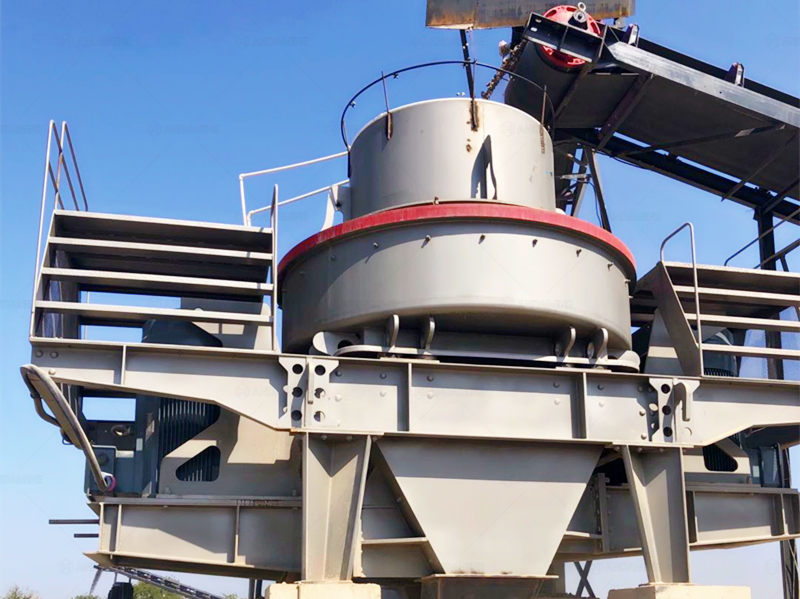
vsi vertical shaft impactor
Pre-Processing Preparation: Lay a Foundation for Efficient Sand Making
Before using the portable vsi crusher to process quartz rock and cobblestone, adequate pre-processing preparation is essential to ensure smooth operation, avoid equipment failure, and improve sand quality. This stage mainly includes raw material pretreatment, equipment inspection, and site preparation, which are closely related to the efficiency of the mobile sand making machine and the quality of the final sand product.
First, conduct raw material pretreatment. Both quartz rock and cobblestone have high hardness, but they may contain impurities such as soil, vegetation, and metal debris, which will affect the quality of machine-made sand and cause wear to the portable vsi crusher. Therefore, it is necessary to clean the raw materials first: use a washing machine to remove soil and dust on the surface of quartz rock and cobblestone, and use a magnetic separator to remove metal debris. In addition, the particle size of the raw materials must be controlled within the feeding range of the portable vsi crusher. Generally, the maximum feeding size of a portable vsi crusher is 50-100mm, so quartz rock and cobblestone need to be crushed by a primary crusher (such as a jaw crusher) first if their particle size is too large. For example, if the original quartz rock has a particle size of 200-300mm, it should be crushed to 50mm or less before being fed into the portable vsi crusher, which can avoid blockage and reduce wear of the crusher’s internal components.
Second, inspect the portable vsi crusher (mobile sand making machine) comprehensively. Before starting the equipment, check all components to ensure they are intact and in good working condition. Inspect the crushing chamber, impeller, and lining plate for wear or damage; if the lining plate is severely worn, replace it in time to avoid affecting the crushing effect. Check the lubrication system: add the specified type of lubricating oil to the bearing and transmission parts, and ensure the lubrication pump works normally to prevent dry friction and component damage. Check the electrical system, including wires, connectors, and control panel, to ensure there is no leakage or loose connection. In addition, check the feeding and discharging devices, such as the feeding hopper, conveyor belt, and vibrating screen, to ensure they are unobstructed and can work normally. For the quartz rock crusher and cobblestone crusher functions of the portable vsi crusher, confirm that the impeller speed and crushing gap are adjusted to the appropriate range.
Finally, prepare the site. Since the portable vsi crusher is a mobile sand making machine, the site should be flat, solid, and have sufficient bearing capacity to support the weight of the equipment and the dynamic load during operation. Clear the surrounding area of obstacles to ensure smooth feeding and discharging. Set up dust suppression facilities, such as spray devices, to reduce dust pollution during sand making, which is especially important when processing quartz rock, as it generates more dust. Prepare sufficient water for equipment cooling and raw material cleaning, and ensure the power supply is stable to avoid sudden shutdown during operation.
Equipment Adjustment: Adapt to Quartz Rock and Cobblestone Processing
The portable vsi quartz rock crusher has strong adjustability, and reasonable adjustment according to the characteristics of quartz rock and cobblestone is the key to producing high-quality machine-made sand. Since quartz rock is harder and more brittle than cobblestone, different adjustment parameters are required to ensure crushing efficiency and sand shape. The main adjustment items include impeller speed, crushing gap, and feeding speed, which directly affect the particle size, shape, and output of the machine-made sand.
First, adjust the impeller speed. The impeller is the core component of the portable vsi crusher, and its speed determines the crushing force and shaping effect. For quartz rock, which has high hardness, the impeller speed should be adjusted to a higher range (usually 1800-2200r/min) to ensure sufficient crushing force to break the hard quartz rock into small particles. For cobblestone, which is relatively tough, the impeller speed can be slightly lower (1500-1800r/min) to avoid excessive crushing and reduce energy consumption. It should be noted that the impeller speed must be adjusted according to the manufacturer’s specifications, and over-speed operation is strictly prohibited to avoid equipment damage.
Second, adjust the crushing gap. The crushing gap is the distance between the impeller and the lining plate, which determines the particle size of the machine-made sand. For quartz rock, the crushing gap should be slightly smaller (5-10mm) to ensure that the crushed particles are uniform and meet the required sand size. For cobblestone, the crushing gap can be slightly larger (8-15mm) to improve processing efficiency while ensuring the sand quality. After adjusting the gap, lock the adjusting device tightly to avoid gap changes during operation, which will lead to uneven particle size of the sand.
Third, adjust the feeding speed. The feeding speed should be matched with the crushing capacity of the portable vsi crusher to avoid overfeeding or underfeeding. Overfeeding will cause blockage of the crushing chamber, affect the normal operation of the equipment, and even damage the impeller and motor. Underfeeding will reduce the output and waste energy. For quartz rock, the feeding speed can be slightly slower due to its high hardness, to ensure that each particle is fully crushed. For cobblestone, the feeding speed can be appropriately increased to improve processing efficiency. The feeding speed can be adjusted through the frequency converter of the feeding conveyor, and operators should observe the operation status of the equipment at any time and adjust the feeding speed in time.
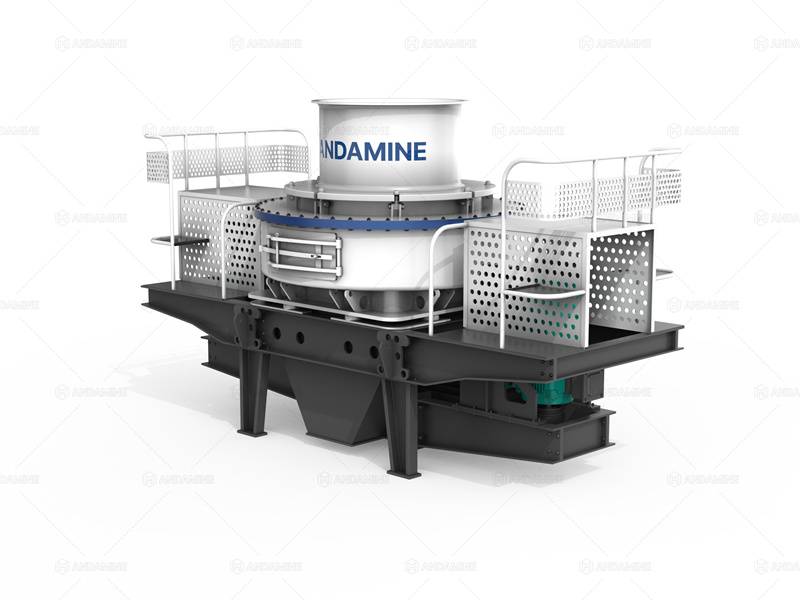
APV-9532 VSI vertical shaft impactor crusher
Step-by-Step Operation: Process Quartz Rock and Cobblestone into Sand
After completing pre-processing preparation and equipment adjustment, the portable vsi crusher can be put into formal operation to process quartz rock and cobblestone into machine-made sand. The operation process should be standardized to ensure safety, efficiency, and sand quality, and operators must strictly follow the operating procedures of the mobile sand making machine.
First, start the equipment in the correct order. The startup sequence of the portable vsi crusher is: dust suppression system → discharging conveyor → vibrating screen → portable vsi crusher → feeding conveyor. This sequence ensures that the equipment is started smoothly without impact, and avoids material accumulation in the crushing chamber or conveyor. Before starting each component, check again to ensure there is no abnormality. After starting the portable vsi crusher, let it idle for 3-5 minutes to allow the lubrication system to work normally and the impeller to reach the set speed. During idling, observe whether there is abnormal noise, vibration, or oil leakage; if any abnormality is found, stop the machine immediately for inspection and adjustment.
Second, start feeding and formal sand making. After the portable vsi crusher idles stably, start the feeding conveyor to feed the pretreated quartz rock or cobblestone into the crushing chamber. The feeding should be uniform and continuous, avoiding unilateral feeding, which will cause uneven wear of the impeller and lining plate. For quartz rock, since it is hard, it is necessary to ensure that the feeding is not too fast to prevent the crushing chamber from being blocked. For cobblestone, the feeding speed can be appropriately increased to improve output. During the sand making process, operators should closely observe the operation status of the equipment: check the temperature of the bearing (which should not exceed 75℃), the vibration of the equipment, and the particle size of the discharged sand. If the sand particle size is too large or too small, adjust the crushing gap or impeller speed in time. If there is abnormal noise or vibration, stop the machine immediately to check for blockage or component damage.
Third, carry out grading and screening of the sand. The sand discharged from the portable vsi crusher needs to be graded by a vibrating screen to separate qualified sand from unqualified particles. Qualified machine-made sand (usually 0-5mm) is sent to the sand storage pile through the conveyor, while unqualified large particles are sent back to the portable vsi crusher for re-crushing until they meet the required size. This cycle processing ensures that the sand quality is uniform and meets the construction requirements. For quartz rock sand, which has high purity requirements, an additional washing process can be added to remove fine dust and impurities, improving the quality of the sand.
Post-Operation Maintenance and Precautions
After the sand making operation is completed, timely maintenance of the portable vsi crusher is crucial to extend its service life, reduce maintenance costs, and ensure stable operation in the next use. At the same time, operators must pay attention to relevant safety precautions during operation and maintenance to avoid accidents.
First, conduct post-operation maintenance. Stop the equipment in the reverse order of startup: feeding conveyor → portable vsi crusher → vibrating screen → discharging conveyor → dust suppression system. After stopping the machine, cut off the power supply and lock the power switch to prevent accidental startup. Clean the crushing chamber, feeding hopper, and conveyor belt to remove residual quartz rock, cobblestone, and sand, avoiding hardening and blockage. Check the wear of the impeller, lining plate, and other vulnerable parts; if they are worn, repair or replace them in time. Drain the old lubricating oil, clean the lubrication system, and add new lubricating oil. Check the electrical system for dust or moisture, and wipe the control panel with a dry cloth. Finally, park the portable vsi crusher (mobile sand making machine) in a cool, ventilated area, away from direct sunlight and rain, to protect the equipment from damage.
Second, pay attention to safety precautions during operation. Operators must wear personal protective equipment, such as safety helmets, safety shoes, gloves, and dust masks, to avoid injury from dust, flying stones, or moving parts. It is strictly prohibited to put hands or other objects into the crushing chamber during operation, and it is not allowed to clean, repair, or adjust the equipment while it is running. Do not overload the equipment, and do not feed materials that exceed the specified size or are not pretreated (such as large stones, metal debris). In case of equipment failure, stop the machine immediately, cut off the power supply, and contact professional maintenance personnel for repair; do not disassemble the equipment without authorization.
In addition, for long-term processing of quartz rock and cobblestone, it is necessary to regularly check the performance of the portable vsi crusher, such as the impeller balance, bearing wear, and electrical system stability. Regular maintenance and inspection can find potential problems in time, avoid major equipment failures, and ensure the continuous and efficient operation of the mobile sand making machine. At the same time, according to the quality requirements of the sand, adjust the equipment parameters in time to adapt to the changes in raw materials (such as different hardness of quartz rock and cobblestone from different sources).
In conclusion, using a portable vsi crusher (mobile sand making machine) to process quartz rock and cobblestone for sand making is a systematic process that includes pre-processing preparation, equipment adjustment, standardized operation, and post-operation maintenance. By following the steps and precautions detailed in this article, operators can make full use of the equipment’s functions, produce high-quality machine-made sand that meets construction needs, and ensure the safe, efficient, and stable operation of the portable vsi crusher. Whether processing hard quartz rock or tough cobblestone, reasonable adjustment and standardized operation are the keys to improving efficiency, reducing costs, and ensuring sand quality.