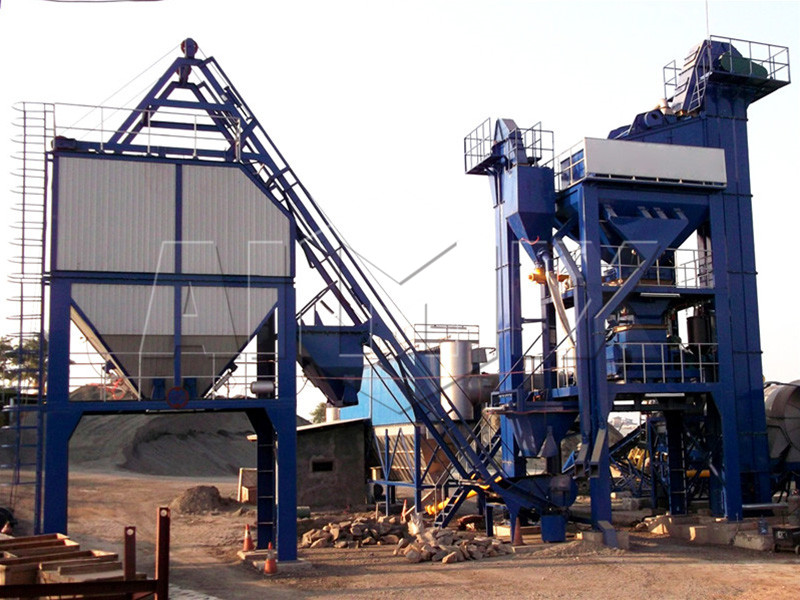
Asphalt Mixing Station

Which Mini Asphalt Plant Type Is Best For Africa Road Projects?

Across many African countries, road construction is moving fast. Governments invest in rural access roads. Private contractors handle short-term paving jobs. At the same time, project budgets remain tight. Transporting asphalt over long distances increases cost and delays work.

So, many contractors ask a practical question: which asphalt mixer plant type is the best choice for African road projects? The answer depends on project size, road conditions, mobility needs, and fuel availability. In this article, we break down the main options and help you make a confident decision. Let’s start by understanding what makes mini asphalt plants attractive in Africa.
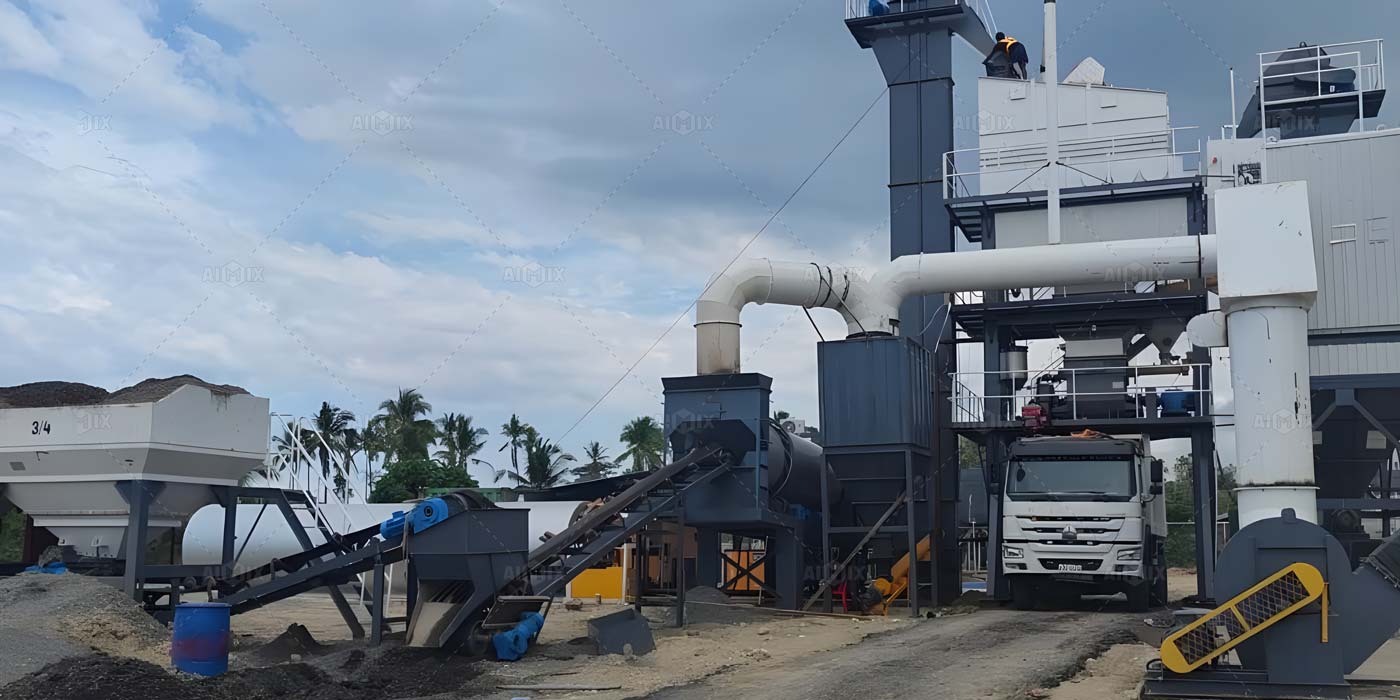
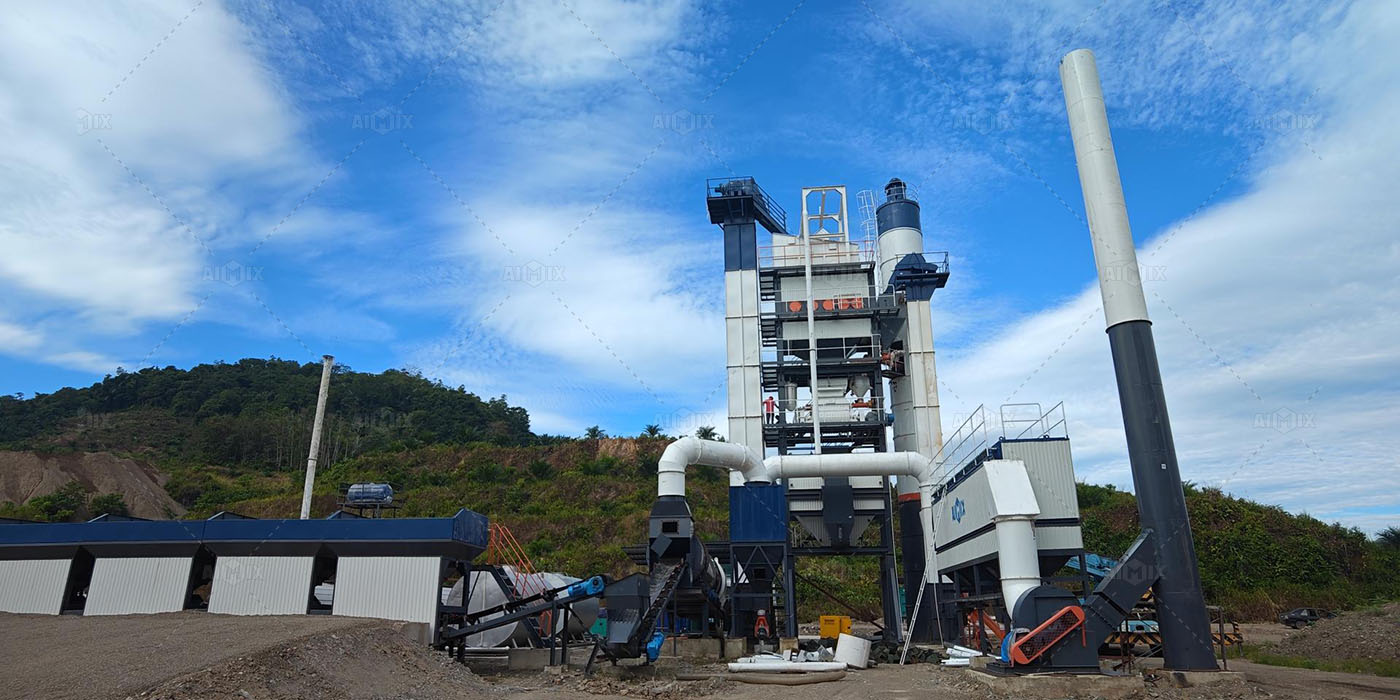
60 tph stationary asphalt plant for sale on site in the Philippines

Why Mini Asphalt Plants Are Popular In Africa

Before choosing a plant type, it is important to understand why mini asphalt plants are widely used across Africa.

First, many projects are small to medium scale. For example, rural road construction often requires 20–60 TPH capacity. Large plants are not cost-effective in these cases.

Second, road projects are scattered. Contractors may work in multiple locations within a few months. Therefore, mobility becomes critical.

Third, fuel and logistics can be challenging. A compact plant reduces transportation and setup complexity.

As a result, mini asphalt plants offer a balanced solution between cost, efficiency, and flexibility.

Now that we understand the demand, let’s explore the main types available.

Main Types Of Mini Asphalt Plants

In general, mini asphalt plants fall into two major categories: batch type and drum mix type. Each has its own strengths. Your project requirements will determine the better option.

Let’s look at each type in detail.

Mini Asphalt Batch Plant

A mini asphalt batch plant produces asphalt in batches. It weighs aggregates and mixes them with bitumen in controlled cycles.

Key advantages:

– High mixing accuracy

– Flexible asphalt formula adjustment

– Better quality control

Typical capacity: 20–80 TPH

Best for:

– Urban road projects

– Government contracts with strict quality standards

– Projects requiring different asphalt grades

For example, if you handle municipal paving or highway repair, a batch plant gives you more control over mix quality.

However, there is a trade-off. Batch plants have a more complex structure. Initial investment is higher. Setup time is also longer.

Therefore, if your priority is precision and flexibility, this type works well.

Check out more about asphalt mixing plant mini for your specific needs.

Next, let’s look at a more cost-efficient option.
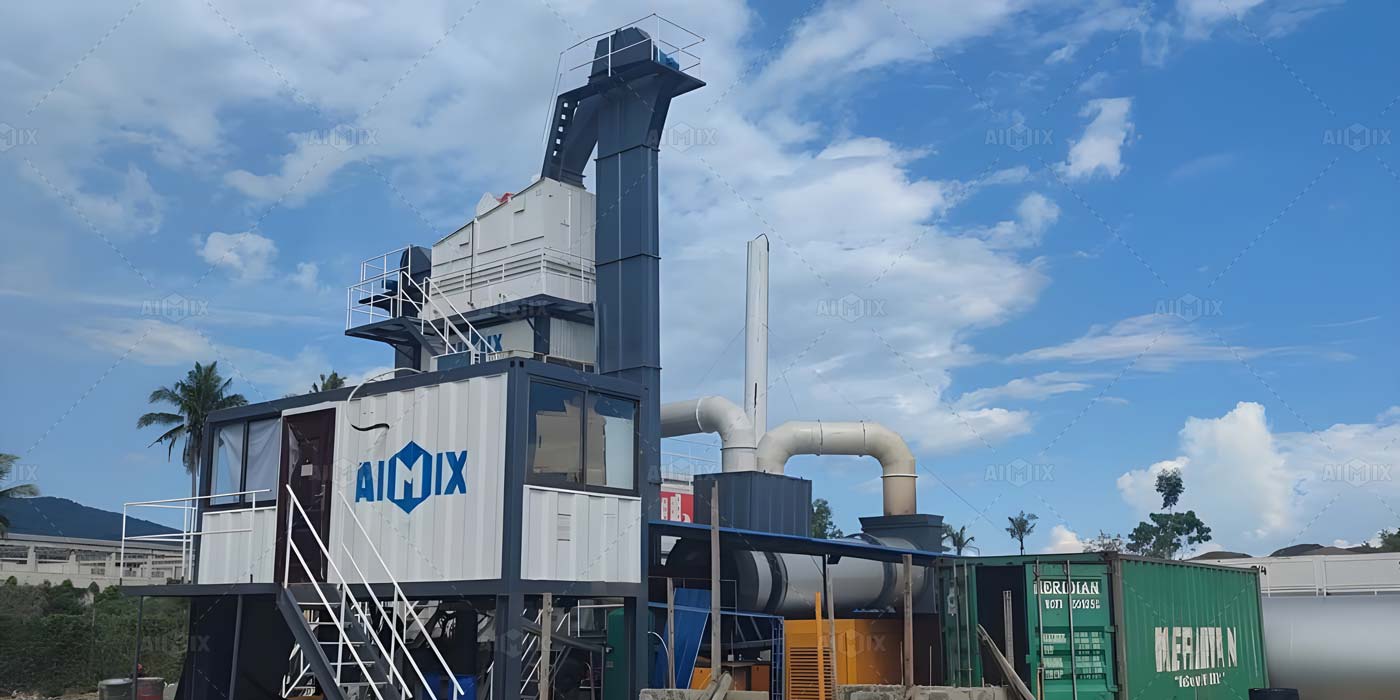
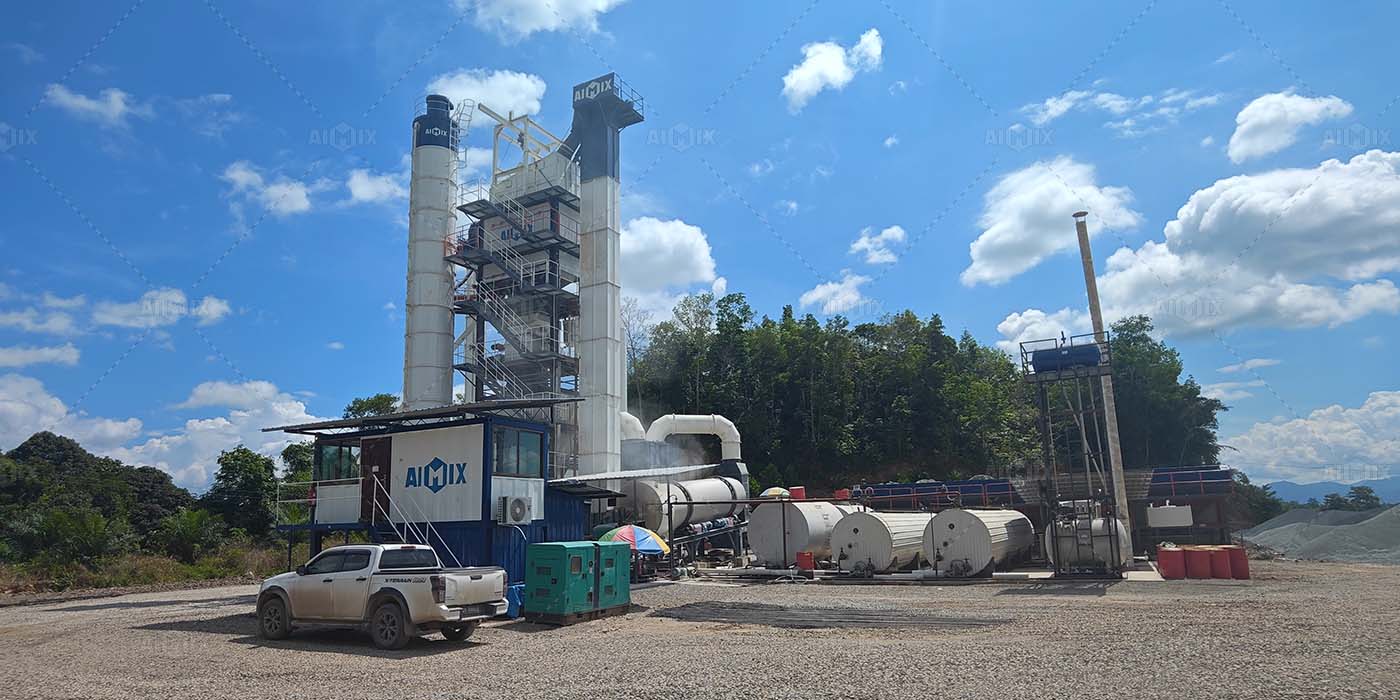
60 tph stationary hot asphalt mixing plant for sale in the Philippines

Mini Asphalt Drum Mix Plant

A drum mix plant produces asphalt continuously. Aggregates dry and mix with bitumen in a single drum.

Key advantages:

– Lower investment cost

– Simple structure

– Easy operation and maintenance

Typical capacity: 20–60 TPH

Best for:

– Rural road construction

– Low to medium-grade roads

– Contractors with limited budgets

In many African regions, this type is very popular. It performs well in remote areas where technical support is limited.

However, drum mix plants offer less flexibility in changing asphalt recipes. Also, mix accuracy is slightly lower than batch plants.

So, if your project focuses on cost control and continuous production, this type becomes a strong candidate. Learn more about asphalt drum mix plant for sale for more information.

Now, let’s move one step further and discuss mobility.
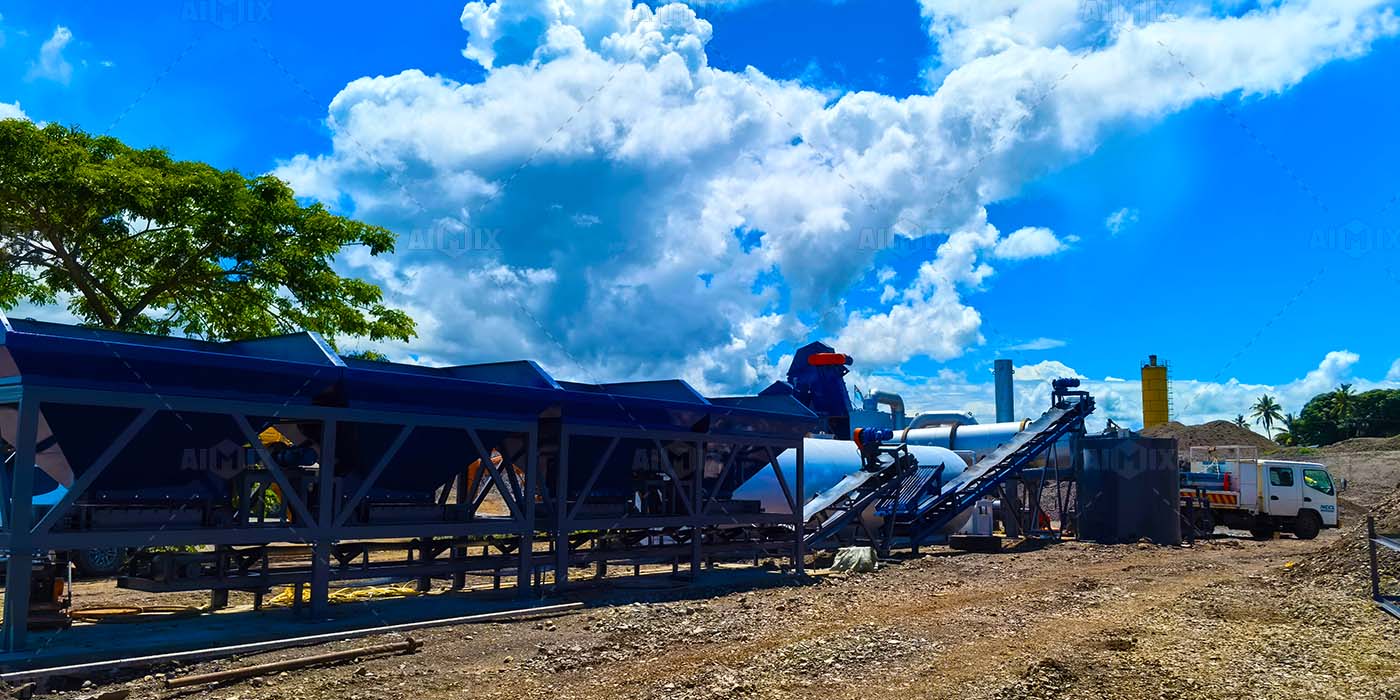
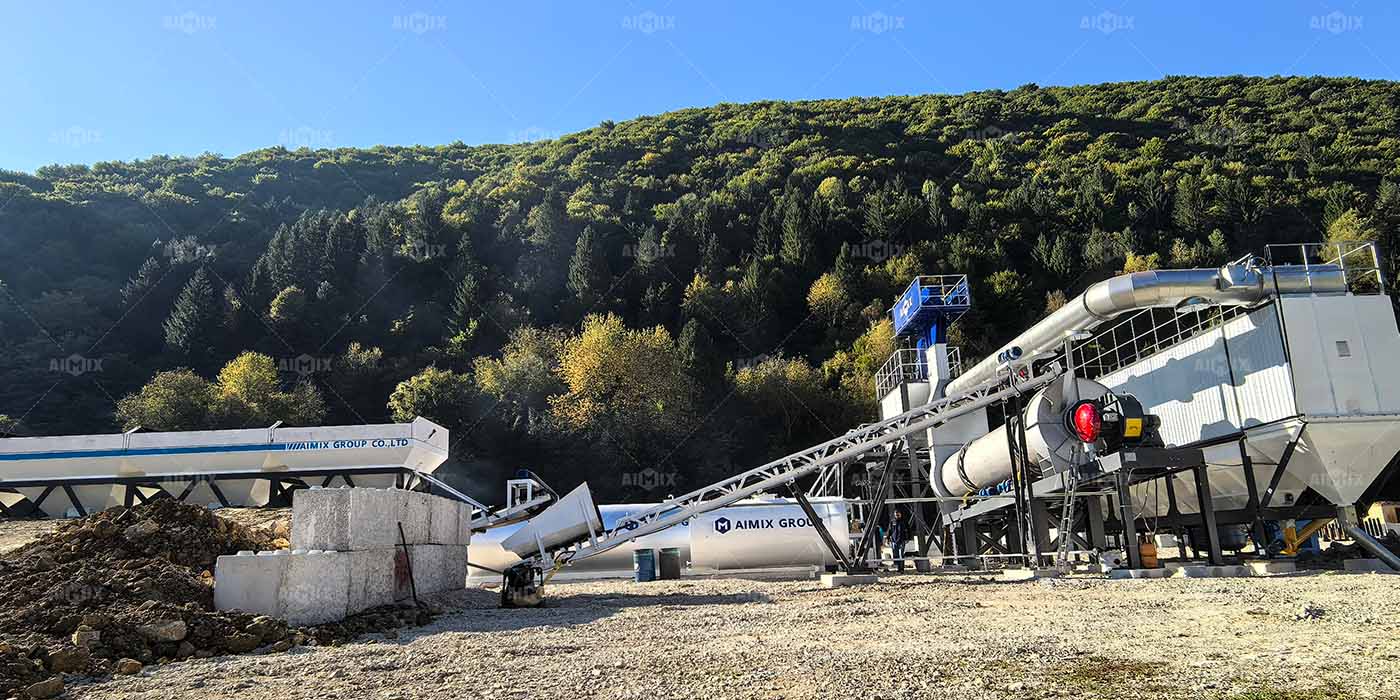
40 ton per hour stationary asphalt drum mix plant

Stationary Vs Mobile Mini Asphalt Plants

Choosing the right plant type is not enough. You also need to consider whether the plant should be stationary or mobile.

This decision directly affects your project efficiency and long-term profitability.

Stationary Mini Asphalt Plant

A stationary plant stays in one location for a long time.

Advantages:

– Stable production

– Lower equipment cost

– Suitable for long-term projects

Best for:

– Large projects in one area

– Fixed asphalt supply operations

If your project lasts more than 12 months in one location, a stationary plant makes sense.

However, many African road projects do not stay in one place.

So, mobility becomes a key factor.

Mobile Mini Asphalt Plant

A mobile asphalt plant is mounted on a chassis. You can move it quickly between sites.

Advantages:

– Fast relocation (often within 1–3 days)

– Reduced dismantling cost

– Flexible project deployment

Best for:

– Multiple short-term projects

– Remote construction areas

– Contractors working across regions

For example, if you handle rural road projects in different provinces, a mobile plant saves both time and money.

Therefore, mobility often becomes the deciding factor in Africa.

Learn more about small portable asphalt plant options for improved mobility.

Next, let’s connect these choices with real project conditions.
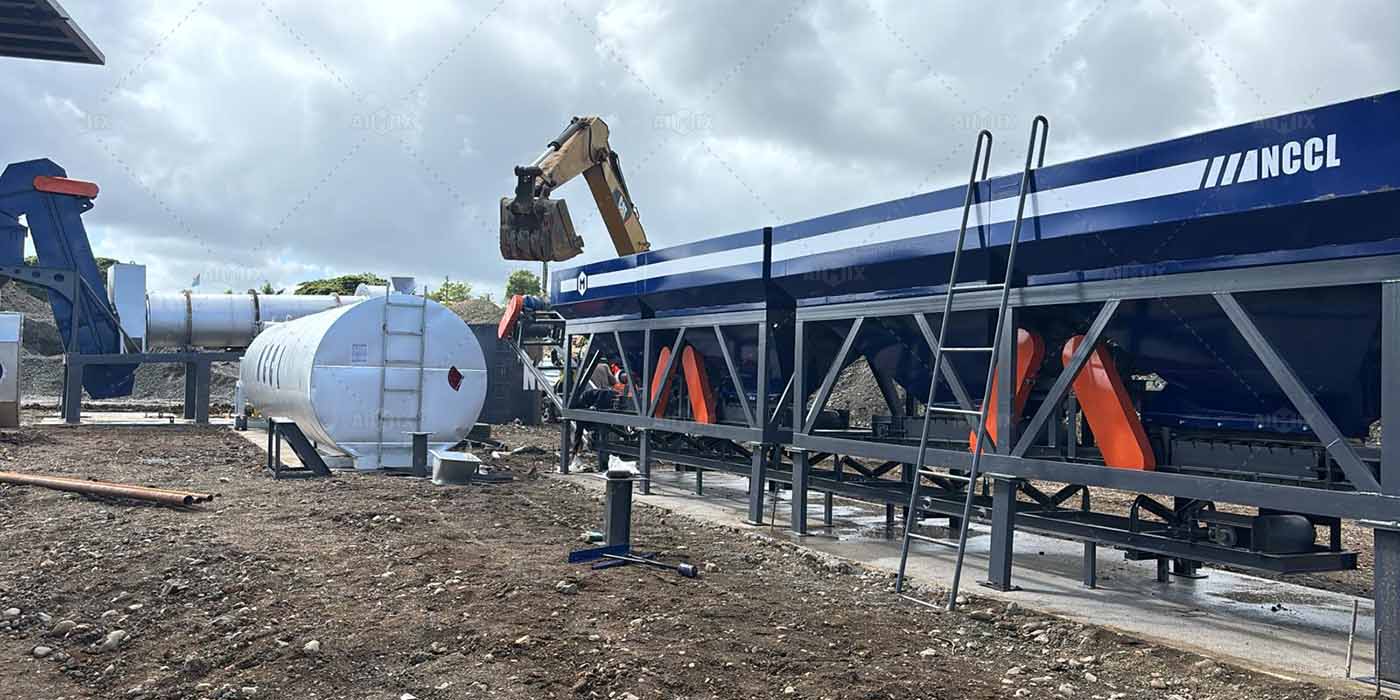
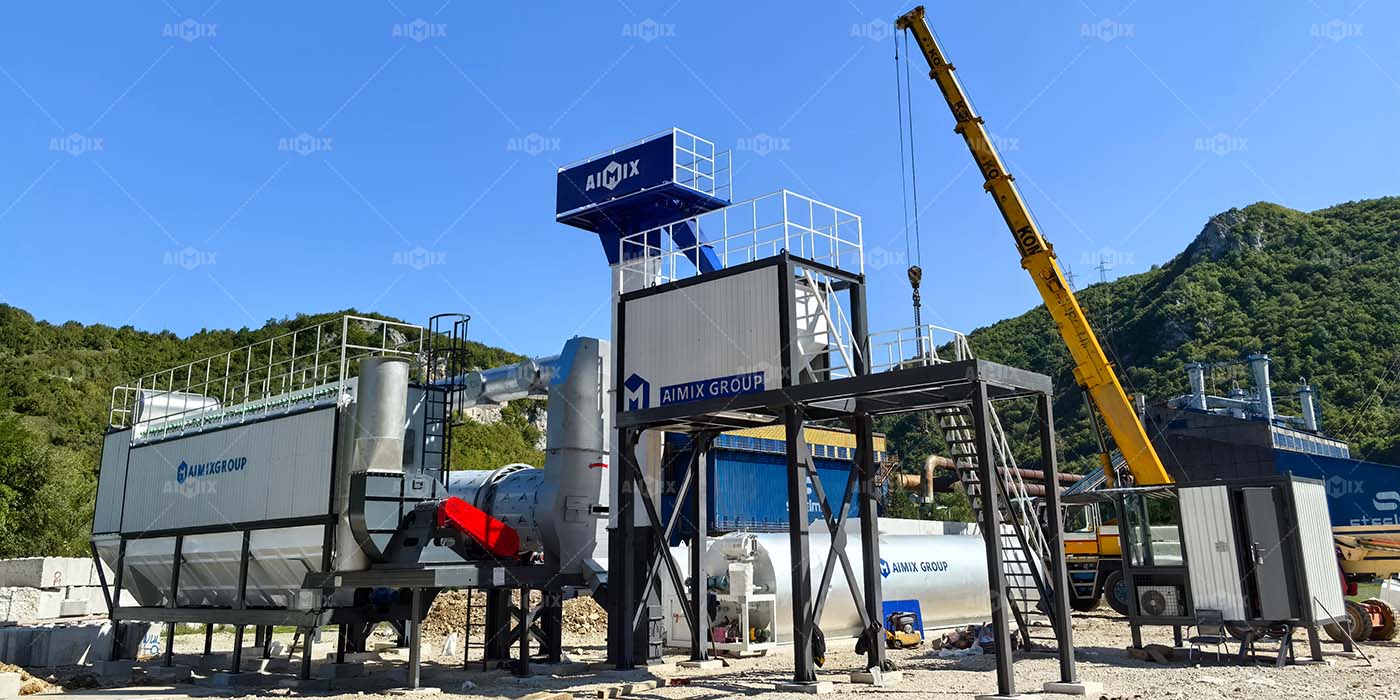
40tph drum mix plant for sale in Fiji

How To Choose Based On African Road Project Conditions

Now we move from equipment features to real-world decisions. The best plant is the one that fits your project conditions.

Here are key factors to consider.

Project Size And Duration

If your project requires less than 50,000 tons of asphalt, a 20–40 TPH mini plant is usually enough.

Short-term projects benefit more from mobile drum mix plants.

On the other hand, long-term highway projects may require a batch plant.

Road Quality Requirements

Different projects have different standards.

– Highways → choose batch plant

– Rural roads → drum mix plant works well

In many African countries, rural connectivity projects dominate. Therefore, drum mix plants often win in these scenarios.

Fuel Availability

Fuel cost varies across regions.

Drum mix plants usually consume less fuel per ton due to continuous operation.

If fuel supply is unstable, a simpler system reduces risk.

Transportation And Logistics

Remote areas often have poor road conditions.

A compact mobile plant is easier to transport.

This factor alone can significantly affect your project timeline.

Clearly, there is no single answer for every situation.

However, we can summarize typical recommendations.
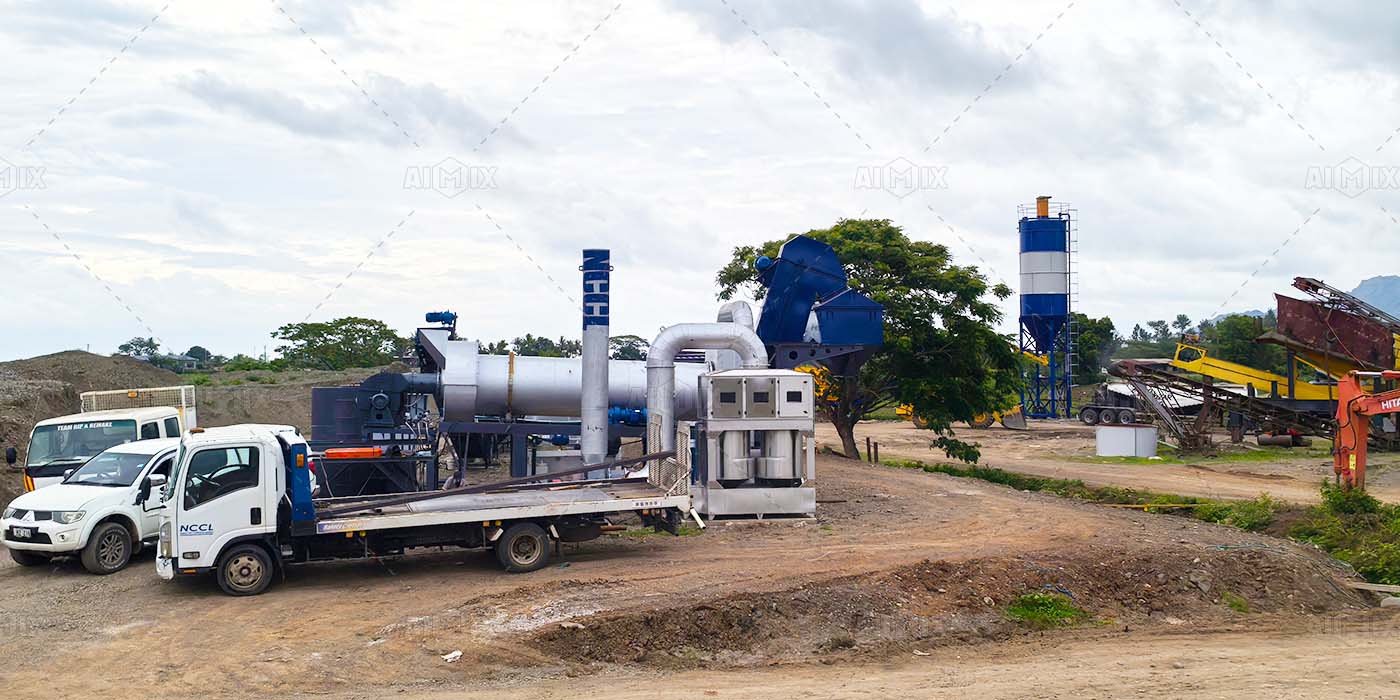
40tph asphalt drum mix plant for sale in Fiji

Recommended Configurations For Common Scenarios

Based on real project experience, here are practical suggestions.

Scenario 1: Rural Road Construction

– Recommended: Mobile drum mix plant (20–40 TPH)

– Reason: Low cost, easy relocation, simple operation

Scenario 2: Urban Road Maintenance

– Recommended: Mini batch plant (40–60 TPH)

– Reason: Better mix quality and flexibility

Scenario 3: Multi-Region Contractor Projects

– Recommended: Mobile batch plant or mobile drum plant

– Reason: Frequent relocation requires flexibility

Scenario 4: Long-Term Highway Project

– Recommended: Stationary batch plant

– Reason: Stable output and strict quality control

Cost Vs Return: What Should You Focus On?

Many buyers focus only on initial price. However, this approach can be misleading.

You should evaluate total project cost instead.

Consider these factors:

– Equipment cost

– Fuel consumption

– Labor requirements

– Maintenance cost

– Transportation expenses

For example, a cheaper plant may consume more fuel. Over time, this increases your total cost.

Similarly, a mobile plant may cost more upfront. However, it saves relocation expenses across projects.

Therefore, always calculate long-term return on investment.

This approach helps you avoid costly mistakes.
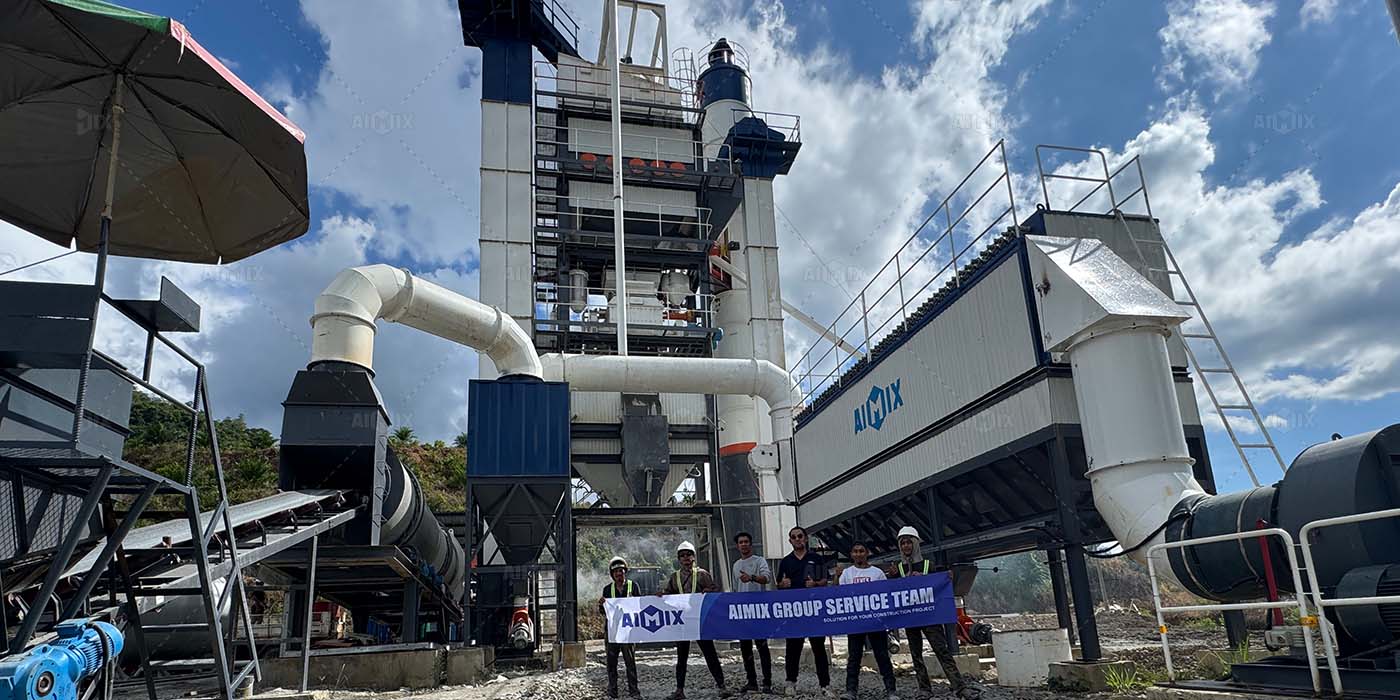
120tph asphalt batch plant win cooperation with Malaysian Contractors

Final Thoughts: Choose The Plant That Fits Your Reality

So, which mini asphalt plant type is best for Africa road projects?

The answer is clear: it depends on your project conditions.

If you prioritize cost and simplicity, choose a drum mix plant. If you need quality and flexibility, go for a batch plant. If your projects move frequently, a mobile design becomes essential.

In reality, most contractors in Africa prefer mobile drum mix plants for rural and regional road projects. They offer the best balance between cost, mobility, and performance.

However, every project is different. A smart decision starts with understanding your own needs.

Get The Right Solution For Your Next Project

Choosing the right mini asphalt plant is not just about equipment. It is about improving your project efficiency, reducing costs, and winning more contracts.

If you are planning a road project in Africa, now is the time to evaluate your options carefully. Share your project details, including capacity, location, and timeline. A tailored solution will always deliver better results.

Contact us today to get a customized mini asphalt plant recommendation that fits your exact project needs. Let’s help you build roads more efficiently and grow your business with confidence.

What Asphalt Plant Ensures Stable Supply for Long-Distance Road Projects in South Africa?

When it comes to executing large-scale, long-distance road construction projects in South Africa, ensuring a stable supply of high-quality asphalt is crucial. Road builders need asphalt mix plant for sale that can handle both the volume and quality demands of extensive infrastructure projects, while also remaining reliable over long distances and harsh working conditions. This article will guide you through the key considerations when selecting the right asphalt plant for such demanding projects, with a particular focus on the options available to contractors in South Africa.

120tph stationary asphalt mixing plant for sale in Malaysia for selling asphalt aggregates

Understanding the Importance of Consistent Asphalt Supply

Long-distance road projects in South Africa often require the construction of highways and bridges, demanding consistent asphalt supply that can withstand the pressures of large projects. A dependable asphalt plant is essential for ensuring smooth operations and meeting tight timelines. Contractors face challenges like fluctuating demand, varying environmental conditions, and complex logistics, making it imperative to choose a plant that guarantees both high output and consistent quality.

The right asphalt plant can make all the difference in the outcome of these projects. A stable supply not only reduces delays but also helps in managing cost efficiency. By understanding the needs of long-distance road projects, we can pinpoint the key features that an asphalt plant should offer.

Key Features to Look for in an Asphalt Plant for Long-Distance Road Projects

When selecting an asphalt plant for long-distance road construction projects, several factors need to be considered. These include production capacity, durability, fuel efficiency, and adaptability to varying climatic conditions. Let’s break down these essential features:

1. High Production Capacity

Long-distance road projects in South Africa require a significant amount of asphalt to keep operations running smoothly. Therefore, it is essential to choose an asphalt plant with high production capacity, ideally capable of handling 120 TPH (tons per hour) or more. Plants like batch mix plants and drum mix plants are ideal, depending on the nature of the project. Batch mix plants provide higher precision in mix quality, while drum mix plants are more cost-effective for large-scale operations where speed is a priority. For more information on these plants, you can explore the asphalt mix plant for sale.

2. Robust Durability

South Africa’s harsh environmental conditions, including high temperatures, dust, and occasional rain, can take a toll on equipment. Contractors need an asphalt plant that can withstand these challenges. Durability is crucial to minimize downtime and maintenance costs. Look for plants made with high-quality materials and advanced technology to ensure longevity even in tough working environments. A reliable option for durability is the asphalt plant for sale in South Africa.

3. Fuel Efficiency and Cost-Effectiveness

Fuel efficiency is a key consideration for contractors aiming to keep operating costs down. Long-distance road projects often span months or even years, and high fuel costs can quickly add up. Asphalt plants that use advanced burners or offer options for alternative fuels can significantly reduce fuel consumption, making the entire operation more cost-effective. Additionally, modern plants often feature automation and energy-saving technologies that help improve overall efficiency. For cost-effective, energy-efficient options, explore hot mix asphalt plants.

4. Adaptability to Local Climate Conditions

South Africa’s climate can vary from region to region, with areas experiencing extreme heat or rain. An asphalt plant that can adjust to these varying conditions will provide a more stable output. For example, plants with advanced drying and mixing capabilities will be able to handle higher moisture content in aggregates, which is particularly important during rainy seasons. Additionally, temperature control systems can help maintain the desired quality of asphalt, regardless of outside conditions. For projects with varying location needs, consider a mobile asphalt plant.

80TPH mobile drum mix asphalt plant for road building in Sarajevo, Bosnia and Herzegovina

Types of Asphalt Plants Suitable for Long-Distance Road Projects

Now that we understand the key features to look for, let’s explore the types of asphalt plants best suited for long-distance road construction projects in South Africa.

1. Batch Mix Asphalt Plants

Batch mix asphalt plants are one of the most reliable options for large projects. These plants work by producing asphalt in batches, allowing for high precision in the mix. This is crucial for projects where consistent quality is a must, such as highways and bridges. Batch plants can handle a wide variety of mixes, including high-performance asphalt, which is required for long-distance roads. With the ability to produce asphalt continuously, these plants are highly efficient and ideal for long-term projects. Explore more about these plants at asphalt mix plant for sale.

2. Drum Mix Asphalt Plants

Drum mix asphalt plants are another popular option, especially for large projects requiring high volume and speed. Unlike batch mix plants, drum mix plants produce asphalt continuously by mixing materials in a rotating drum. These plants are more cost-effective than batch plants and are better suited for projects where speed is a priority. The continuous production process also ensures that large volumes of asphalt are available throughout the day, making them a suitable choice for long-distance road projects where timely delivery is essential. Check out the asphalt plant for sale in South Africa for more options.

3. Mobile Asphalt Plants

For projects with remote locations or areas where the road infrastructure is still under development, mobile asphalt plants offer a great solution. These plants can be easily transported from one location to another, providing flexibility and quick setup. While they typically have a smaller production capacity compared to stationary plants, mobile asphalt plants are perfect for projects where mobility and adaptability are key factors. Mobile plants can ensure continuous asphalt supply to various parts of a large project area without the need for expensive transportation. Learn more about mobile plants at mobile asphalt plant.

asphalt plant training in the control room in Malaysia

Choosing the Right Asphalt Plant for Your Project in South Africa

Choosing the right asphalt plant for long-distance road construction projects in South Africa requires a careful assessment of the project’s unique needs. Here are a few steps to guide you in selecting the best plant:

  • Assess Your Project’s Volume and Timeline: Understand how much asphalt you will need and the project’s timeline. Choose a plant that can meet both the production volume and quality requirements.
  • Consider Environmental Factors: Take into account the climate and terrain of your project location. Select a plant that can adapt to these conditions and keep the asphalt production process efficient.
  • Evaluate Your Budget: Asphalt plants come in a range of price points. Choose one that offers the best balance of performance, efficiency, and cost-effectiveness for your specific needs.
  • Check for Local Support and Maintenance: Ensure that the plant you choose has local support, including spare parts and maintenance services, to minimize downtime and keep operations running smoothly.

Conclusion: Ensure Long-Term Success with the Right Asphalt Plant

In conclusion, choosing the right asphalt plant is vital for the success of long-distance road projects in South Africa. Whether you opt for a batch mix plant, drum mix plant, or a mobile asphalt plant, the key is to ensure that the plant you choose meets the specific requirements of your project in terms of production capacity, durability, and adaptability. By investing in high-quality, reliable hot mix asphalt plants, contractors can ensure the timely completion of their road projects while maintaining cost-efficiency and high standards of quality.

Ready to choose the right asphalt plant for your project? Contact us today to discuss your needs and get expert advice tailored to your specific requirements.

Can 120 TPH Asphalt Plants Meet The Urban Road Paving Demand In South Africa?

Urban road construction in South Africa is growing at an unprecedented pace. Cities like Johannesburg, Cape Town, and Durban are investing heavily in infrastructure to improve traffic flow, safety, and connectivity. For contractors and municipal project owners, choosing the right asphalt plant is crucial to ensuring timely and cost-effective project completion. A commonly asked question is whether a 120 TPH asphalt plant can meet the demands of urban road paving. In this article, we will analyze the capacity, efficiency, and suitability of 120 TPH asphalt plants for South African urban projects, providing practical insights for industry professionals.

120tph asphalt batch plant win cooperation with Malaysian Contractors

Understanding Asphalt Plant Capacity And Urban Road Requirements

Before evaluating the suitability of a 120 TPH asphalt plant, it’s important to understand the typical requirements of urban road projects. Urban roads often involve shorter distances but higher complexity due to intersections, traffic management, and frequent repairs or overlays. Consequently, the volume of asphalt required can vary daily depending on project scope, lane width, and pavement thickness.

For example, a 5 km urban road with two lanes in each direction may require between 6,000 and 10,000 tons of asphalt, depending on the design thickness. A 120 TPH asphalt plant can produce around 960 tons in an 8-hour shift, or roughly 1,200 tons in a 10-hour workday. This production rate suggests that, for medium-scale urban projects, a single 120 TPH asphalt plant can handle daily paving requirements efficiently, especially when combined with proper planning and scheduling. For contractors seeking a hot mix plant for sale, this capacity often matches urban demand perfectly.

Daily Output Versus Project Demand

Urban projects often face tight deadlines and variable demand due to weather, traffic conditions, and municipal regulations. A 120 TPH asphalt plant provides a balance between mobility and production capability. For instance, it can meet peak paving demands for sections of 2–3 km while maintaining flexibility to adjust output for smaller or irregular paving zones.

Moreover, urban paving projects frequently require high-quality asphalt mix with precise gradation. Modern 120 TPH plants are equipped with automated control systems that ensure consistent mix quality, reducing the risk of material wastage and rework. Working with best asphalt plant manufacturers can help ensure long-term reliability and compliance with quality standards.

120tph stationary asphalt batch plant for road building

Advantages Of Using 120 TPH Asphalt Plants For Urban Projects

Contractors often consider several factors when selecting an asphalt plant. The following advantages make 120 TPH plants particularly suitable for urban road paving:

Flexibility In Production And Transport

Unlike larger, stationary plants, 120 TPH asphalt plants can be relocated relatively quickly to different sites. This flexibility is essential in urban environments where multiple short sections of road may be under construction simultaneously. Contractors can move the plant closer to the project site, minimizing haulage costs and reducing asphalt cooling during transport.

Cost-Effectiveness For Medium-Scale Projects

Urban road projects usually do not require massive continuous asphalt production. A 120 TPH plant provides sufficient output without the high investment cost of a larger plant. Lower fuel consumption, easier maintenance, and reduced operational complexity also contribute to overall cost savings. Evaluating asphalt concrete plant cost can help contractors budget effectively for urban projects.

Quality Control And Consistency

High-quality asphalt ensures road durability, reduces maintenance costs, and extends pavement life. Modern 120 TPH plants feature advanced mixing technology and digital control systems. They maintain consistent temperatures, precise material ratios, and uniform mixing, which is critical for urban roads that experience heavy traffic loads and require smooth surfaces.

120tph stationary asphalt mixing plant for sale in Malaysia for selling asphalt aggregates

Challenges And Considerations

Despite their advantages, 120 TPH asphalt plants have certain limitations that contractors need to consider:

Handling Large-Scale Projects

For very large urban highways or extended road networks, a single 120 TPH plant may not meet production requirements alone. In such cases, contractors often deploy multiple plants or supplement production with off-site batching facilities. Careful scheduling and logistical planning can mitigate these limitations.

Urban Space Constraints

Setting up an asphalt plant in a city requires space for raw material storage, mixing equipment, and loading areas. While 120 TPH plants are more compact than larger counterparts, urban zoning regulations and available land can still pose challenges. Working closely with municipal authorities to secure a suitable location is essential for smooth operations.

Environmental Regulations And Emissions Control

South African cities increasingly enforce strict environmental regulations for construction equipment. 120 TPH asphalt plants typically come with dust collection and emission reduction systems, ensuring compliance with local standards. Proper maintenance of these systems is critical to avoid penalties and maintain sustainable operations.

Case Study: Urban Road Paving In Johannesburg

To illustrate practical application, consider a recent urban road project in Johannesburg. A 4 km arterial road required two lanes per direction, with an asphalt thickness of 60 mm. The project demanded around 7,500 tons of asphalt over a three-week period. Contractors deployed a 120 TPH asphalt plant near the construction site, allowing continuous production and immediate loading of asphalt trucks.

The plant operated in two 10-hour shifts daily, producing approximately 1,200 tons per day. By carefully scheduling deliveries and coordinating with paving crews, the team completed the project on time without significant material shortages or downtime. This example demonstrates that, for typical urban road projects in South Africa, a 120 TPH plant is more than adequate when combined with effective project management.

80TPH mobile drum mix asphalt plant equipment in Sarajevo, Bosnia and Herzegovina

Tips For Optimizing 120 TPH Asphalt Plant Performance

Contractors aiming to maximize efficiency should consider the following strategies:

Plan Raw Material Supply

Ensure a steady supply of aggregates, bitumen, and filler materials. Urban sites often face limited storage space, so delivering raw materials in stages helps maintain continuous production without congestion.

Coordinate With Paving Crews

Synchronize plant output with paving operations. Truck loading schedules, paving machine availability, and traffic management plans should align to prevent delays or asphalt cooling before placement.

Regular Maintenance And Quality Checks

Daily inspection of mixing components, burners, and control systems helps maintain consistent output and mix quality. Frequent calibration reduces deviations and ensures that urban roads meet safety and durability standards.

Leverage Digital Control Systems

Modern 120 TPH asphalt plants come equipped with automated control panels. Operators can monitor temperature, mixing time, and material ratios in real-time, minimizing human error and optimizing efficiency.

80TPH mobile drum asphalt mixing plant installation in Sarajevo, Bosnia and Herzegovina

Conclusion: Is A 120 TPH Asphalt Plant Suitable For Urban Roads In South Africa?

After analyzing production capacity, project requirements, and practical considerations, it is clear that a 120 TPH asphalt plant can efficiently meet urban road paving demands in South Africa. Its balance of output, flexibility, and cost-effectiveness makes it ideal for medium-scale city roads and municipal projects. However, contractors should carefully plan material supply, scheduling, and regulatory compliance to maximize plant performance.

For contractors and municipal planners seeking reliable asphalt production, investing in a 120 TPH plant provides a practical solution that ensures quality, efficiency, and timely project completion. Whether you are tackling city roads, arterial streets, or short urban highways, a properly managed 120 TPH asphalt plant can deliver the asphalt volume and consistency your projects demand.

Call To Action

If you are planning urban road projects in South Africa and want a dependable asphalt plant that balances production and flexibility, consider consulting with experienced best asphalt plant manufacturers who specialize in 120 TPH asphalt plants. Proper guidance and support can help you select the right plant configuration, optimize operations, and ensure your urban paving projects are completed on time and within budget. Contact us today to explore options and get a tailored solution for your road construction needs.

Which Asphalt Plant Is Ideal For A 2-Year Road Reconstruction Project In Ethiopia Needing 150,000 Tons?

For road contractors and project owners in Ethiopia, choosing the right asphalt plant is a critical decision. A 2-year road reconstruction project requiring 150,000 tons of asphalt demands careful planning. The right amp asphalt mixing plant can optimize production, reduce costs, and ensure timely project completion. This article guides you through selecting the most suitable asphalt plant for your project.

120tph stationary asphalt batch plant for road building

Understanding Project Requirements

Before selecting an asphalt plant, it is important to clearly define your project requirements. For a 2-year road reconstruction project needing 150,000 tons of asphalt, you must consider production capacity, project schedule, and site logistics. Estimating your daily or monthly asphalt needs helps in deciding the appropriate plant model. Additionally, factors such as labor availability, fuel supply, and local road conditions play a role in plant selection.

Understanding your project needs forms the foundation of selecting an asphalt hot mix plant. Without a precise understanding, you risk delays, high costs, or underutilized equipment.

Calculating Required Production Capacity

For a project requiring 150,000 tons over 24 months, the average monthly production requirement is approximately 6,250 tons. Breaking this down further, assuming 22 working days per month, the daily requirement becomes roughly 284 tons. This calculation helps contractors select an asphalt plant that can consistently meet production without overloading the system.

Assessing Site Conditions and Logistics

Site conditions in Ethiopia may vary from urban to rural environments. Access to water, electricity, and transport routes influences plant type selection. Mobile or semi-mobile asphalt plants might be preferable for remote areas with limited infrastructure, while stationary batch plants suit central locations near raw material sources.

120tph stationary asphalt mixing plant for sale in Malaysia for selling asphalt aggregates

Types Of Asphalt Plants

Once project requirements are defined, understanding the different types of asphalt plants is crucial. Each type has specific advantages that suit different project sizes and durations.

Batch Asphalt Plants

Batch asphalt plants produce asphalt in separate batches, allowing precise control of mix quality. They are ideal for projects demanding consistent asphalt properties. For a 2-year project with 150,000 tons, a batch plant ensures that every batch meets quality standards. Moreover, batch plants can handle a variety of asphalt mix designs, making them versatile for different road layers.

Drum Continuous Asphalt Plants

Continuous drum plants are designed for high-volume production and operate continuously. They are more energy-efficient for large projects but offer less flexibility in mix design. For Ethiopia’s 2-year road reconstruction project, a drum plant may suit sections with consistent asphalt requirements. However, the inability to easily switch mix types could limit its usefulness in areas needing specialized mixes.

Production Capacity Matching

Matching the plant’s capacity with project demands ensures efficiency and cost-effectiveness. Overestimating capacity leads to unnecessary capital investment, while underestimating causes delays.

Choosing the Right Batch Plant Capacity

Based on our earlier calculation, a plant capable of producing 200–300 tons per day aligns with daily requirements. For example, a 200 TPH (tons per hour) asphalt mixing and batching plant can meet peak demands while providing some buffer for maintenance and downtime. Additionally, this size keeps energy and labor costs manageable, making it suitable for Ethiopian contractors with budget constraints.

Considering Drum Plant Capacity

If opting for a drum continuous plant, ensure it can sustain at least 250–300 tons per day. Continuous plants are advantageous for long stretches of road needing the same asphalt type. Yet, for variable mixes, this type may require additional equipment or blending systems.

80TPH mobile drum mix asphalt plant equipment in Sarajevo, Bosnia and Herzegovina

Fuel Type And Energy Efficiency

Fuel costs are significant in asphalt production. Choosing a plant with high energy efficiency can save substantial money over two years. Modern asphalt plants in Ethiopia often use diesel, heavy oil, or natural gas. Evaluating local fuel availability and cost is critical before selecting a plant. Additionally, some plants incorporate waste heat recovery systems, which further reduce energy consumption.

Impact On Project Budget

Energy-efficient plants reduce operational costs. For a 150,000-ton project, even a small percentage of fuel savings translates to significant financial benefits. Contractors should calculate expected fuel consumption and compare options to ensure the chosen plant aligns with budgetary constraints.

Mobility And Installation

Depending on project layout and accessibility, the mobility of the asphalt plant may be decisive. Ethiopia’s road reconstruction often includes urban, peri-urban, and rural sections. Plants that can be relocated or set up quickly reduce downtime and improve overall project efficiency.

Stationary Vs. Mobile Plants

Stationary asphalt plants require more initial setup but are ideal for central locations near raw material sources. Mobile asphalt mix plants provide flexibility, especially for remote sections where transporting asphalt from a stationary plant may increase costs and risk quality degradation. For this 2-year project, a semi-mobile batch plant could offer a balance between stability and flexibility.

120tph asphalt batch plant win cooperation with Malaysian Contractors

Environmental Considerations

Modern projects prioritize sustainability. Selecting asphalt plants with advanced dust collection, noise reduction, and emission control systems is essential. Ethiopia enforces environmental standards for construction projects, and compliance avoids fines or delays.

Emission Control And Dust Collection

Plants equipped with bag filters or electrostatic precipitators effectively reduce dust emissions. This feature is particularly important in urban areas and sensitive environments. Choosing a plant with these systems demonstrates corporate responsibility and adherence to local regulations.

Noise Reduction Measures

Road construction sites often operate near communities. Plants with soundproofing and noise-reducing components minimize disruptions. This factor can influence permit approvals and community acceptance, ensuring smoother project execution.

Cost Analysis And ROI

Investment in an asphalt plant is significant. Contractors should evaluate both upfront cost and operational efficiency. Batch plants typically cost more initially but provide better quality control. Continuous plants may offer lower capital cost but could increase fuel consumption and limit mix flexibility.

Balancing Investment With Project Needs

For a project needing 150,000 tons, calculating cost per ton produced helps determine ROI. Consider maintenance, fuel, labor, and downtime. Selecting a plant that balances production efficiency with capital and operational costs ensures the project stays within budget while maintaining high-quality asphalt output.

80TPH mobile drum asphalt mixing plant installation in Sarajevo, Bosnia and Herzegovina

Recommended Asphalt Plant For Ethiopia’s 2-Year Road Reconstruction

Considering production needs, site conditions, mobility, and environmental factors, a 200–300 TPH batch asphalt plant is ideal. It provides precise mix control, sufficient daily output, and flexibility for varying asphalt types. Its energy efficiency and environmental compliance make it suitable for both urban and rural sections. Additionally, semi-mobile configurations offer adaptability for road reconstruction projects spanning multiple regions.

Conclusion: Making The Right Choice

Choosing the right asphalt plant can make or break a road reconstruction project in Ethiopia. A 2-year project requiring 150,000 tons needs a plant that delivers quality, efficiency, and flexibility. By considering daily production needs, plant type, energy efficiency, mobility, and environmental compliance, contractors can select an asphalt plant that maximizes ROI and ensures timely completion.

If you want to guarantee smooth operations, high-quality asphalt, and cost-effective production, investing in a suitable batch asphalt plant is the best strategy. Consult with experienced asphalt plant suppliers to match your project’s requirements and secure equipment that supports your long-term construction goals. Start planning now to keep your road reconstruction project on track and within budget.

Intermittent Asphalt Plant Components That You Should Know About

Although most people are aware of what a standard asphalt plants is capable of doing, they may not have heard of intermittent asphalt plants. These are also referred to as a forced asphalt mixing plant in some areas. These are designed to improve upon the aggregate drying process, as well as increase the amount of asphalt that can be delivered. When you are working with cold aggregate material, it is initially prepared, and this is typically done within a drying drum. From that point, it is then delivered to the mixer itself where it will be combined with bitumen, sand, fly ash, and other materials. The intermittency aspect of this asphalt plant is specifically pertaining to its ability to force all of this to go faster. If you are interested in a much more efficient unit, let’s discuss this and the many different intermittent asphalt plant components that are part of this process.

how the asphalt batch mix plant for sale works

how the asphalt batch mix plant for sale works

Why Are These Popular?

To understand the popularity of these intermittent forced mixing plants for asphalt of AIMIX(AIMIX planta de asfalto discontinua), you must look at all of the variables. Initially, you will see that the aggregate drying process has been improved, and there is also a greatly improved way of diminishing the amount of dust that is produced. There are also different modes of operation, including the flame upstream mode, plus it also has a very effective drying system installed. It is because of the intermittent mixing mode, this ratio that can change based upon your parameters, you can improve upon the amount of asphalt produced and delivered.

Are These More Expensive?

Due to the advance capabilities of these systems, they tend to be much more expensive than a standard asphalt mixing plant would be. They may also be in limited numbers. If you are in the market for expanding your business with one of these units, you will want multiple estimates from different businesses that create them. Keep in mind that you will also save money due to the way the mixture materials are prepared. You will save based upon how much energy is used for business operations and powering this entire system. Try this website: https://aimixgrupo.com.mx/planta-de-asfalto-discontinua/

Portable hot mix asphalt plants transport

Portable hot mix asphalt plants transport

Other Benefits Of Using These Units

Primarily due to the automation that is incorporated into these units, you are going to have a higher level of efficiency(mayor nivel de eficiencia) in the asphalt delivery and production. Additionally, the product itself will be of a much higher quality, plus all of the components associated with this unit are state-of-the-art. When you invest in one of these, you will easily see how easy they are to use. They are designed for those that may have very little experience in this particular sector. Fortunately, there are companies that produce these intermittent units that will be very affordable for you and your business.

Intermittent asphalt plant capabilities have improved dramatically over the years. If you have looked at these before, but have not been motivated to make the investment, the time to do so is now. You will find your business expanding rapidly as you advertise and except more jobs that you will be able to handle due to the higher quality of the asphalt(mayor calidad del asfalto) and the accelerated rate at which it can be made within the systems.

Getting An Awesome Asphalt Plant In Malaysia

Before buying an asphalt plant in Malaysia, it pays to figure out what it takes to get the best deal. You don’t want to buy something that is not in good working order or that is not worth the money for other reasons. Since a lot of companies in Malaysia offer asphalt plants, you need to read on to find out how to find the right one.

One thing you can do to save money on an asphalt mixing plant is to try and buy one that has been used. However, you don’t want to buy one that is on its last legs unless you know how to fix it up and make it last you a little longer. There are going to be a lot of used options if you want to go that route so figure out which of them are worth it by looking into what’s wrong with them and then seeing if you can take care of that problem for cheap.

Before you buy an asphalt plant in Malaysia, try your best to find a seller that is near where you are in the area. That way, you can go and pick up the asphalt plant or have it delivered for less than it would cost to ship something like this from a long ways away. You sometimes will have to pay so much in shipping when you buy something from another area that it isn’t worth it in the end so see who you can find locally that has asphalt plants for sale.

A good asphalt plant is going to come with a warranty of some kind so you know that it will work well for you for quite some time. If an asphalt plant comes with a warranty, it means that the maker or the seller of it think that it’s going to last a long time because they generally don’t cover anything that is known to break down and cost them money to take care of. However, accidents can happen and your amp aspal can end up having issues so a warranty is great to have in case of problems.

See what you can learn about a seller in Malaysia that has asphalt plants for sale before you do any business with anyone. You want to know that the company is worth it to do business with so you don’t waste money on bad service and/or a bad product. There are many great companies but sprinkled in with them are sellers and companies that are not that good that should be avoided. Luckily, you can find reviews on the companies and sellers in Malaysia a lot of the time if you just search for them online.

Now you know where to find an asphalt plant in Malaysia for a fair price that is worth the money because it works well. Take your time with this so you for sure get what you are going to be pleased with when all is said and done. Get aimix plant info here.

Production Process For The Asphalt Batch Plant For Sale

Asphalt is an essential paving material used for quite an extended period. Its production involves the homogenous combination of bitumen and aggregates. The end product is usually hot to stick on the roads efficiently. The selection of aggregates depends on the specifications of the road. It can be a single or a mixture of different sizes and qualities. Towards the end of production, there is the addition of mineral filler and binding cement. The primary machine known to execute this work is the asphalt plant. When choosing an asphalt batch plant for sale, you need to comprehend its working mechanism. The knowledge is an assurance that you will pick a suitable device.

asphalt batch plant for sale

asphalt batch plant for sale

The first feature of the asphalt plant on sale is the aggregate feeder. The feeder comprises of different storage bins used to collect the other components. Mixing them can result in contamination since they have varying compositions. Additionally, they react when exposed to the atmosphere. There will be feeding off the cold raw aggregates into the available bins at the same production step. Sufficient stocking ensures there are no delays or disruptions once the machines start operations.

After feeding, follows conveying of the elements into the drying drum. At this part, there is the introduction of limited heat to ensure that the aggregated attain the required temperature. The source of the heat is a burner. It dries the aggregates effectively. The function is made possible due to the positioning of the drum. The components are allowed to flow within the area, allowing for an even distribution of heat freely. The material then proceeds to the next phase.

how the asphalt batch mix plant for sale works

how the asphalt batch mix plant for sale works

The stage involves transferring of the aggregates using a bucket elevator. Once drying, the drum discharges the components into the bucket, enabling the movement to the plant’s upper part. At the very top is a vibrating screen. The unit’s function is to execute screening of the materials to differentiate them in terms of sizes. The device is multilayered. Upon pouring the materials, they undergo vibration, hence continuously falling on the next layer until it is fully separated. The aggregates that do not meet the sizing requirements do not pass past the highest screen. When separation completes, the desirable sizes get channeled to the hot bins for storage.

What follows later is the preparation of other vital materials, bitumen, and filler. The combinations only take place after weighing to acquire accurate proportions. Equipment called hopper weighs and consequently discharges the bitumen to the mixing section. The same happens to the filler. The mixing unit also receives aggregates in accurate proportions and begins the mixing task. It is a thorough process since the output has to be uniform. Upon completion, it redirects the mixture to the storage equipment like silos or trucks. The storage tanks receive heat either through a burner or a supplying tube. The end products must retain the heat for significant construction.

Understanding how the asphalt batch mix plant for sale works makes it easy to handle it whenever on operations. Additionally, you can draft a budget wisely considering the various components included to make up the plant.

Portable Hot Mix Asphalt Plants For Sale In 2019

There are many different models of portable hot mix asphalt plants for sale in the modern era. Automatic drum mix models, for example, are equipped with prewired electronics and advanced PLC control systems for super-fast assembly and commissioning, and simple operation. Some of the best suppliers of mobile hot mix asphalt machines serve the international marketplace and export their machinery all around the globe.

Mobile asphalt mixing plants are designed for small-scale modern construction projects and they are a great investment choice for small to mid-size construction firms that work on multiple short-duration projects in different locations. The plants are ideal for construction companies that want the benefit of being able to manufacture ready-to-use bespoke formulations of asphalt onsite with the requirement to construct any permanent foundations.

Portable hot mix asphalt plants transport

Portable hot mix asphalt plants transport

Portable hot mix asphalt plants have foldable strong legs, which allow for fast plant set up and disassembly. What’s more, the plants are lightweight and made up of separated, but easily connectable modules, making transporting them between different job sites very convenient.

There are now many manufacturers selling asphalt mixing machines mounted onto chassis that have pneumatic braking systems, kingpin adaptors, and junction boxes. The machines are designed to offer the ultimate in portability and are compatible with most tractors and towing devices. Mobile hot mix asphalt mixing plants are ideal for remote road construction projects.

When you first begin searching for asphalt plants for sale online:https://aimixgroup.ph/hot-mix-asphalt-plant/, you need to be aware that there are multiple different types of plants available. The first choice you have to make is mobile or stationary. The next choice is the pollution control system – bag hose or wet dust collector? Thirdly, you need to choose what type of burner you want. Fortunately, most plants come with burners that are compatible with multiple fuel sources.

Next up you have to decide whether you want a single or dual drum model. Fifthly, you need to make a decision about the type of control system you want – do you want a mixing plant with a PLC control systems and remote controls, or would you prefer a more basic manually controlled machine. There are then dozens of other decisions that you need to make and you need to consider the asphalt production capacities of different models and the total power ratings. Also, be sure not to forget about checking out the accuracy margins on any integrated manual or digital raw material weighing systems.

Hot mix asphalt batch plants for sale

Hot mix asphalt batch plants for sale

As you can see, there are a lot of variables to take into consideration when selecting the right hot mix asphalt plant for your construction company. If you are in doubt as to which model would be the most suited to the asphalt requirements of your business, be sure to take time to contact company representatives from different manufacturers. The representatives will be able to provide you with detailed information about all the different hot mix asphalt batch plants for sale as well as provide you with expert buying advice. An investment in a mobile asphalt mixing plant is likely to be one of the smartest decisions you make for your constriction firm, but you need to make sure you chose the most appropriate model.

The Benefits Of Small Portable Asphalt Plants For Sale

small portable asphalt plant

With the increased demand for infrastructure such as roads in rural and urban areas, small portable asphalt plants are becoming more and more popular in the market. They are the ideal equipment for small scale and medium scale road constructions. The large standard-sized asphalt plants are not only costly, but they are also cumbersome to operate, maintain and transport. This is what led to the introduction of the small portable asphalt plants.

INDONESIA RD105 small portable asphalt plants

The small portable asphalt plants have a small size which makes assembly, disassembly, operation and maintenance easy and seamless. Transportation is also easier since the plants have lightweight and possess portability features. Basically, asphalt plants that have a production capacity of 60t/h and below are regarded as small asphalt plants. Even this production capacity is below that of the standard versions, the small portable asphalt plants are able to fully meet the requirements of small scale road constructions. Such projects don’t usually require the production of large quantities of asphalt at a time.

There are two main types of small asphalt plants in terms of modes of operation; batch and drum mix asphalt plants. The small asphalt batch mix plants produce one batch of hot mix asphalt at a time. One of the main reasons why this type is popular is due to the fact that the specifications of the mix can be modified at any time depending on the requirements of the client or job site.

The drum mix asphalt plant is also referred to as continuous drum mix asphalt plant. All the processes including heating, drying, and mixing of aggregates usually happen in a single drum.

small portable asphalt plant

Why Invest In A Small Portable Asphalt Plant For Sale

If you haven’t considered acquiring a small portable asphalt plant for your small scale road constructions, then you are missing out on the use of an important resource on the market.

Low Cost

A small portable asphalt plant is inexpensive. With just a little investment, you can enjoy the wide array of benefits that the equipment offers including a high rate of return.

Quick Installation

Due to its small size and modular design of the small portable asphalt plants, assembly and disassembly is quick and easy. Work on the construction site can begin within a short time after arriving at the site. The small plant doesn’t require the construction of a foundation and this helps to save on time.

small asphalt plant for sale

Cost-Efficient Setup And Operation

The small portable asphalt plant comes with an easy setup feature. In addition, as mentioned above, it doesn’t necessarily require the construction of a concrete foundation. These factors help reduce the labor intensity and time required to set up the plant at the site, learn more about the Operation of the asphalt plant:https://concretemachinesale.com/small-portable-asphalt-plants-for-sale/

Flexibility

Since the plant is lightweight, has a compact design and small occupation area, the plant can be easily transported to and set up in any construction site. You can be able to take up projects even in remote areas that have poor road conditions that would have been otherwise difficult to do if you had a large asphalt plant. In construction sites where space is limited, the small asphalt plant is the best option.