How to Use Portable VSI Crusher to Process Quartz Rock and Cobblestone for Sand Making

Quartz rock and cobblestone are two of the most common raw materials for sand making, widely used in construction, road paving, and concrete production due to their high hardness, wear resistance, and good grain shape. A portable vsi crusher, also known as a mobile sand making machine, is a flexible and efficient equipment that integrates crushing, shaping, and sand making functions, making it ideal for processing quartz rock and cobblestone into high-quality machine-made sand. Unlike fixed sand making equipment, the portable vsi crusher can be moved directly to the raw material site, reducing transportation costs and improving processing efficiency. This article details the step-by-step method of using a portable vsi crusher to process quartz rock and cobblestone for sand making, including pre-processing preparation, equipment adjustment, operation steps, and post-processing precautions, helping operators make full use of the mobile sand making machine to produce qualified machine-made sand.

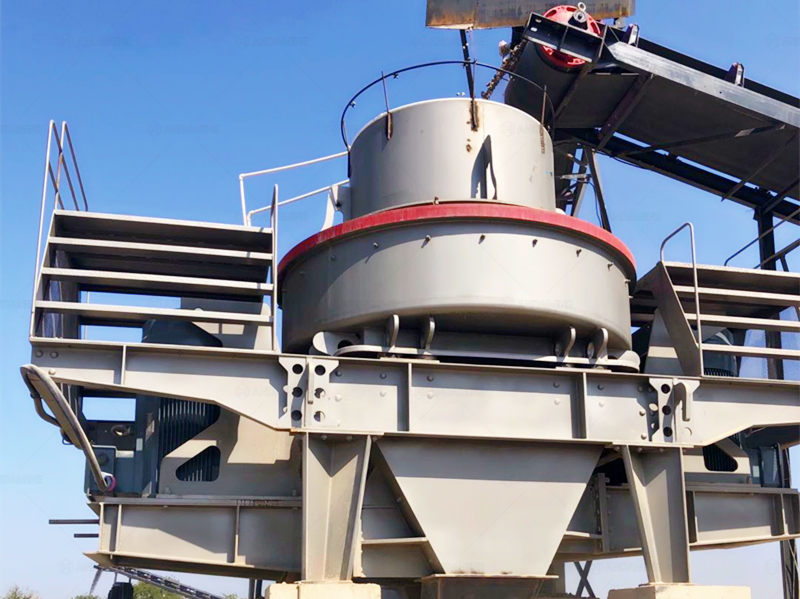
vsi vertical shaft impactor

vsi vertical shaft impactor

Pre-Processing Preparation: Lay a Foundation for Efficient Sand Making

Before using the portable vsi crusher to process quartz rock and cobblestone, adequate pre-processing preparation is essential to ensure smooth operation, avoid equipment failure, and improve sand quality. This stage mainly includes raw material pretreatment, equipment inspection, and site preparation, which are closely related to the efficiency of the mobile sand making machine and the quality of the final sand product.

First, conduct raw material pretreatment. Both quartz rock and cobblestone have high hardness, but they may contain impurities such as soil, vegetation, and metal debris, which will affect the quality of machine-made sand and cause wear to the portable vsi crusher. Therefore, it is necessary to clean the raw materials first: use a washing machine to remove soil and dust on the surface of quartz rock and cobblestone, and use a magnetic separator to remove metal debris. In addition, the particle size of the raw materials must be controlled within the feeding range of the portable vsi crusher. Generally, the maximum feeding size of a portable vsi crusher is 50-100mm, so quartz rock and cobblestone need to be crushed by a primary crusher (such as a jaw crusher) first if their particle size is too large. For example, if the original quartz rock has a particle size of 200-300mm, it should be crushed to 50mm or less before being fed into the portable vsi crusher, which can avoid blockage and reduce wear of the crusher’s internal components.

Second, inspect the portable vsi crusher (mobile sand making machine) comprehensively. Before starting the equipment, check all components to ensure they are intact and in good working condition. Inspect the crushing chamber, impeller, and lining plate for wear or damage; if the lining plate is severely worn, replace it in time to avoid affecting the crushing effect. Check the lubrication system: add the specified type of lubricating oil to the bearing and transmission parts, and ensure the lubrication pump works normally to prevent dry friction and component damage. Check the electrical system, including wires, connectors, and control panel, to ensure there is no leakage or loose connection. In addition, check the feeding and discharging devices, such as the feeding hopper, conveyor belt, and vibrating screen, to ensure they are unobstructed and can work normally. For the quartz rock crusher and cobblestone crusher functions of the portable vsi crusher, confirm that the impeller speed and crushing gap are adjusted to the appropriate range.

Finally, prepare the site. Since the portable vsi crusher is a mobile sand making machine, the site should be flat, solid, and have sufficient bearing capacity to support the weight of the equipment and the dynamic load during operation. Clear the surrounding area of obstacles to ensure smooth feeding and discharging. Set up dust suppression facilities, such as spray devices, to reduce dust pollution during sand making, which is especially important when processing quartz rock, as it generates more dust. Prepare sufficient water for equipment cooling and raw material cleaning, and ensure the power supply is stable to avoid sudden shutdown during operation.

Equipment Adjustment: Adapt to Quartz Rock and Cobblestone Processing

The portable vsi quartz rock crusher has strong adjustability, and reasonable adjustment according to the characteristics of quartz rock and cobblestone is the key to producing high-quality machine-made sand. Since quartz rock is harder and more brittle than cobblestone, different adjustment parameters are required to ensure crushing efficiency and sand shape. The main adjustment items include impeller speed, crushing gap, and feeding speed, which directly affect the particle size, shape, and output of the machine-made sand.

First, adjust the impeller speed. The impeller is the core component of the portable vsi crusher, and its speed determines the crushing force and shaping effect. For quartz rock, which has high hardness, the impeller speed should be adjusted to a higher range (usually 1800-2200r/min) to ensure sufficient crushing force to break the hard quartz rock into small particles. For cobblestone, which is relatively tough, the impeller speed can be slightly lower (1500-1800r/min) to avoid excessive crushing and reduce energy consumption. It should be noted that the impeller speed must be adjusted according to the manufacturer’s specifications, and over-speed operation is strictly prohibited to avoid equipment damage.

Second, adjust the crushing gap. The crushing gap is the distance between the impeller and the lining plate, which determines the particle size of the machine-made sand. For quartz rock, the crushing gap should be slightly smaller (5-10mm) to ensure that the crushed particles are uniform and meet the required sand size. For cobblestone, the crushing gap can be slightly larger (8-15mm) to improve processing efficiency while ensuring the sand quality. After adjusting the gap, lock the adjusting device tightly to avoid gap changes during operation, which will lead to uneven particle size of the sand.

Third, adjust the feeding speed. The feeding speed should be matched with the crushing capacity of the portable vsi crusher to avoid overfeeding or underfeeding. Overfeeding will cause blockage of the crushing chamber, affect the normal operation of the equipment, and even damage the impeller and motor. Underfeeding will reduce the output and waste energy. For quartz rock, the feeding speed can be slightly slower due to its high hardness, to ensure that each particle is fully crushed. For cobblestone, the feeding speed can be appropriately increased to improve processing efficiency. The feeding speed can be adjusted through the frequency converter of the feeding conveyor, and operators should observe the operation status of the equipment at any time and adjust the feeding speed in time.

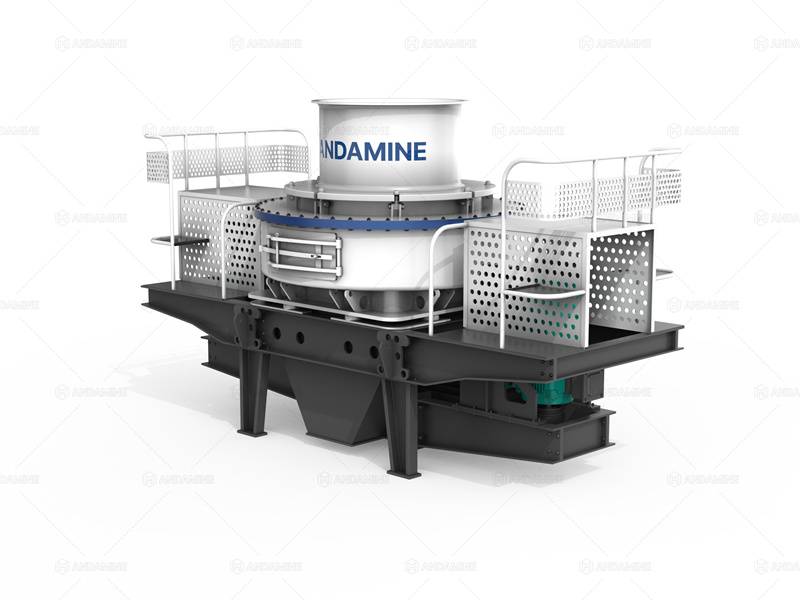
APV-9532 VSI vertical shaft impactor crusher

APV-9532 VSI vertical shaft impactor crusher

Step-by-Step Operation: Process Quartz Rock and Cobblestone into Sand

After completing pre-processing preparation and equipment adjustment, the portable vsi crusher can be put into formal operation to process quartz rock and cobblestone into machine-made sand. The operation process should be standardized to ensure safety, efficiency, and sand quality, and operators must strictly follow the operating procedures of the mobile sand making machine.

First, start the equipment in the correct order. The startup sequence of the portable vsi crusher is: dust suppression system → discharging conveyor → vibrating screen → portable vsi crusher → feeding conveyor. This sequence ensures that the equipment is started smoothly without impact, and avoids material accumulation in the crushing chamber or conveyor. Before starting each component, check again to ensure there is no abnormality. After starting the portable vsi crusher, let it idle for 3-5 minutes to allow the lubrication system to work normally and the impeller to reach the set speed. During idling, observe whether there is abnormal noise, vibration, or oil leakage; if any abnormality is found, stop the machine immediately for inspection and adjustment.

Second, start feeding and formal sand making. After the portable vsi crusher idles stably, start the feeding conveyor to feed the pretreated quartz rock or cobblestone into the crushing chamber. The feeding should be uniform and continuous, avoiding unilateral feeding, which will cause uneven wear of the impeller and lining plate. For quartz rock, since it is hard, it is necessary to ensure that the feeding is not too fast to prevent the crushing chamber from being blocked. For cobblestone, the feeding speed can be appropriately increased to improve output. During the sand making process, operators should closely observe the operation status of the equipment: check the temperature of the bearing (which should not exceed 75℃), the vibration of the equipment, and the particle size of the discharged sand. If the sand particle size is too large or too small, adjust the crushing gap or impeller speed in time. If there is abnormal noise or vibration, stop the machine immediately to check for blockage or component damage.

Third, carry out grading and screening of the sand. The sand discharged from the portable vsi crusher needs to be graded by a vibrating screen to separate qualified sand from unqualified particles. Qualified machine-made sand (usually 0-5mm) is sent to the sand storage pile through the conveyor, while unqualified large particles are sent back to the portable vsi crusher for re-crushing until they meet the required size. This cycle processing ensures that the sand quality is uniform and meets the construction requirements. For quartz rock sand, which has high purity requirements, an additional washing process can be added to remove fine dust and impurities, improving the quality of the sand.

Post-Operation Maintenance and Precautions

After the sand making operation is completed, timely maintenance of the portable vsi crusher is crucial to extend its service life, reduce maintenance costs, and ensure stable operation in the next use. At the same time, operators must pay attention to relevant safety precautions during operation and maintenance to avoid accidents.

First, conduct post-operation maintenance. Stop the equipment in the reverse order of startup: feeding conveyor → portable vsi crusher → vibrating screen → discharging conveyor → dust suppression system. After stopping the machine, cut off the power supply and lock the power switch to prevent accidental startup. Clean the crushing chamber, feeding hopper, and conveyor belt to remove residual quartz rock, cobblestone, and sand, avoiding hardening and blockage. Check the wear of the impeller, lining plate, and other vulnerable parts; if they are worn, repair or replace them in time. Drain the old lubricating oil, clean the lubrication system, and add new lubricating oil. Check the electrical system for dust or moisture, and wipe the control panel with a dry cloth. Finally, park the portable vsi crusher (mobile sand making machine) in a cool, ventilated area, away from direct sunlight and rain, to protect the equipment from damage.

Second, pay attention to safety precautions during operation. Operators must wear personal protective equipment, such as safety helmets, safety shoes, gloves, and dust masks, to avoid injury from dust, flying stones, or moving parts. It is strictly prohibited to put hands or other objects into the crushing chamber during operation, and it is not allowed to clean, repair, or adjust the equipment while it is running. Do not overload the equipment, and do not feed materials that exceed the specified size or are not pretreated (such as large stones, metal debris). In case of equipment failure, stop the machine immediately, cut off the power supply, and contact professional maintenance personnel for repair; do not disassemble the equipment without authorization.

In addition, for long-term processing of quartz rock and cobblestone, it is necessary to regularly check the performance of the portable vsi crusher, such as the impeller balance, bearing wear, and electrical system stability. Regular maintenance and inspection can find potential problems in time, avoid major equipment failures, and ensure the continuous and efficient operation of the mobile sand making machine. At the same time, according to the quality requirements of the sand, adjust the equipment parameters in time to adapt to the changes in raw materials (such as different hardness of quartz rock and cobblestone from different sources).

In conclusion, using a portable vsi crusher (mobile sand making machine) to process quartz rock and cobblestone for sand making is a systematic process that includes pre-processing preparation, equipment adjustment, standardized operation, and post-operation maintenance. By following the steps and precautions detailed in this article, operators can make full use of the equipment’s functions, produce high-quality machine-made sand that meets construction needs, and ensure the safe, efficient, and stable operation of the portable vsi crusher. Whether processing hard quartz rock or tough cobblestone, reasonable adjustment and standardized operation are the keys to improving efficiency, reducing costs, and ensuring sand quality.

Which Asphalt Plant Is Ideal For A 2-Year Road Reconstruction Project In Ethiopia Needing 150,000 Tons?

For road contractors and project owners in Ethiopia, choosing the right asphalt plant is a critical decision. A 2-year road reconstruction project requiring 150,000 tons of asphalt demands careful planning. The right amp asphalt mixing plant can optimize production, reduce costs, and ensure timely project completion. This article guides you through selecting the most suitable asphalt plant for your project.

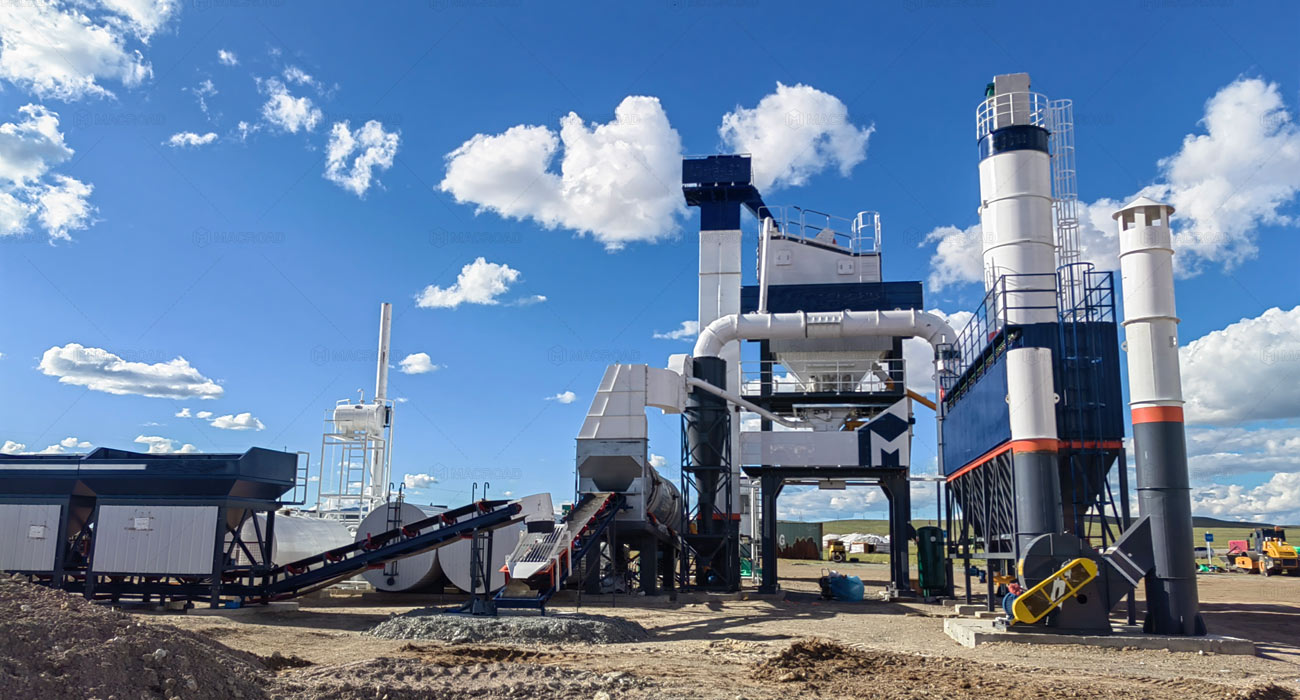
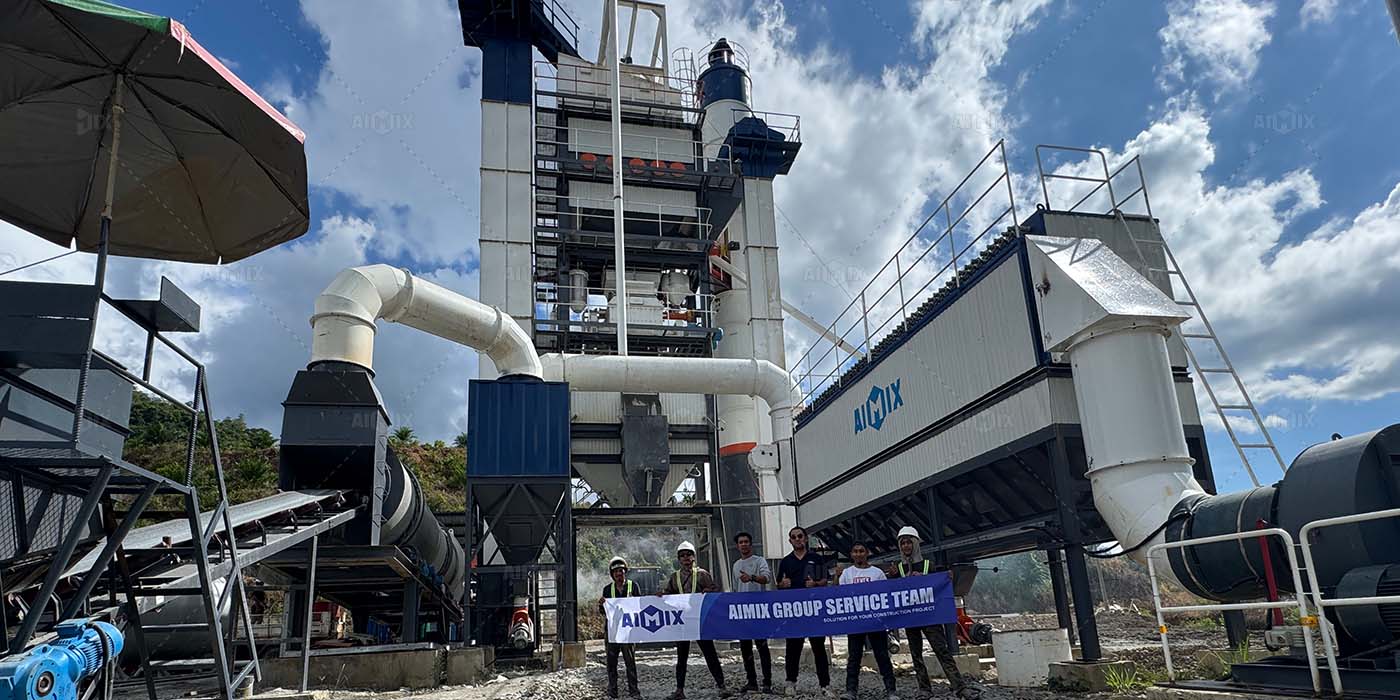
120tph stationary asphalt batch plant for road building

Understanding Project Requirements

Before selecting an asphalt plant, it is important to clearly define your project requirements. For a 2-year road reconstruction project needing 150,000 tons of asphalt, you must consider production capacity, project schedule, and site logistics. Estimating your daily or monthly asphalt needs helps in deciding the appropriate plant model. Additionally, factors such as labor availability, fuel supply, and local road conditions play a role in plant selection.

Understanding your project needs forms the foundation of selecting an asphalt hot mix plant. Without a precise understanding, you risk delays, high costs, or underutilized equipment.

Calculating Required Production Capacity

For a project requiring 150,000 tons over 24 months, the average monthly production requirement is approximately 6,250 tons. Breaking this down further, assuming 22 working days per month, the daily requirement becomes roughly 284 tons. This calculation helps contractors select an asphalt plant that can consistently meet production without overloading the system.

Assessing Site Conditions and Logistics

Site conditions in Ethiopia may vary from urban to rural environments. Access to water, electricity, and transport routes influences plant type selection. Mobile or semi-mobile asphalt plants might be preferable for remote areas with limited infrastructure, while stationary batch plants suit central locations near raw material sources.

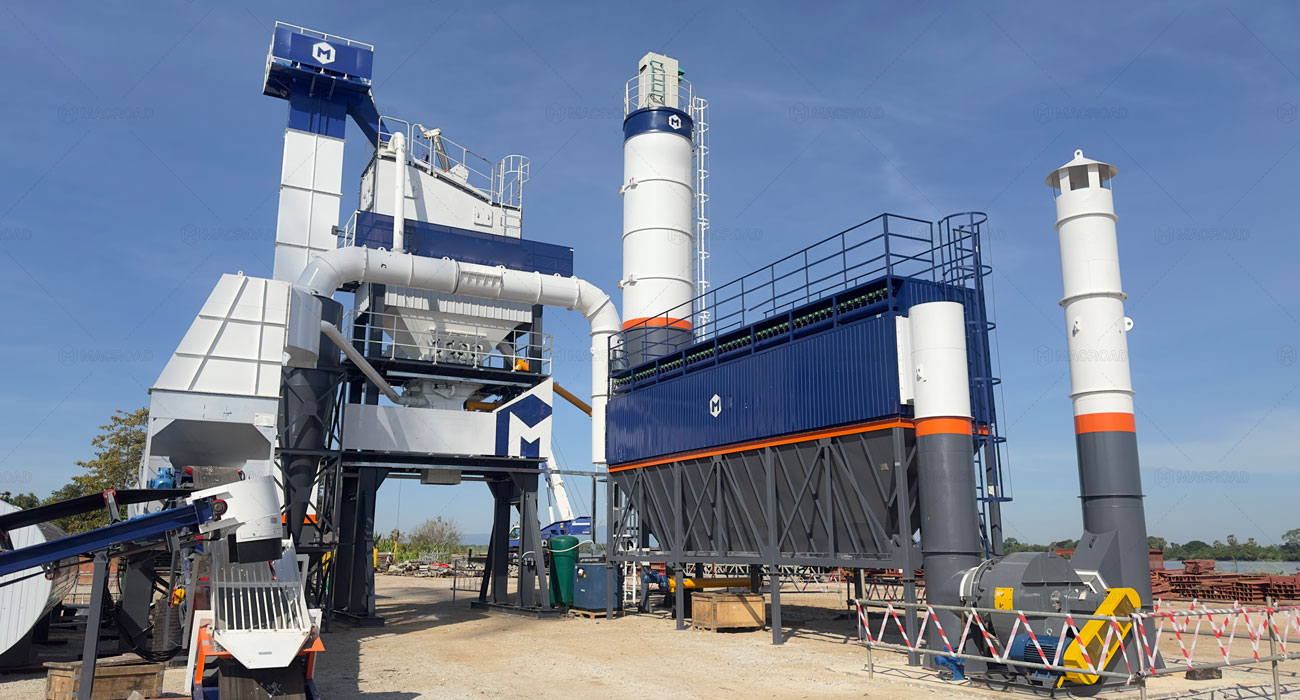
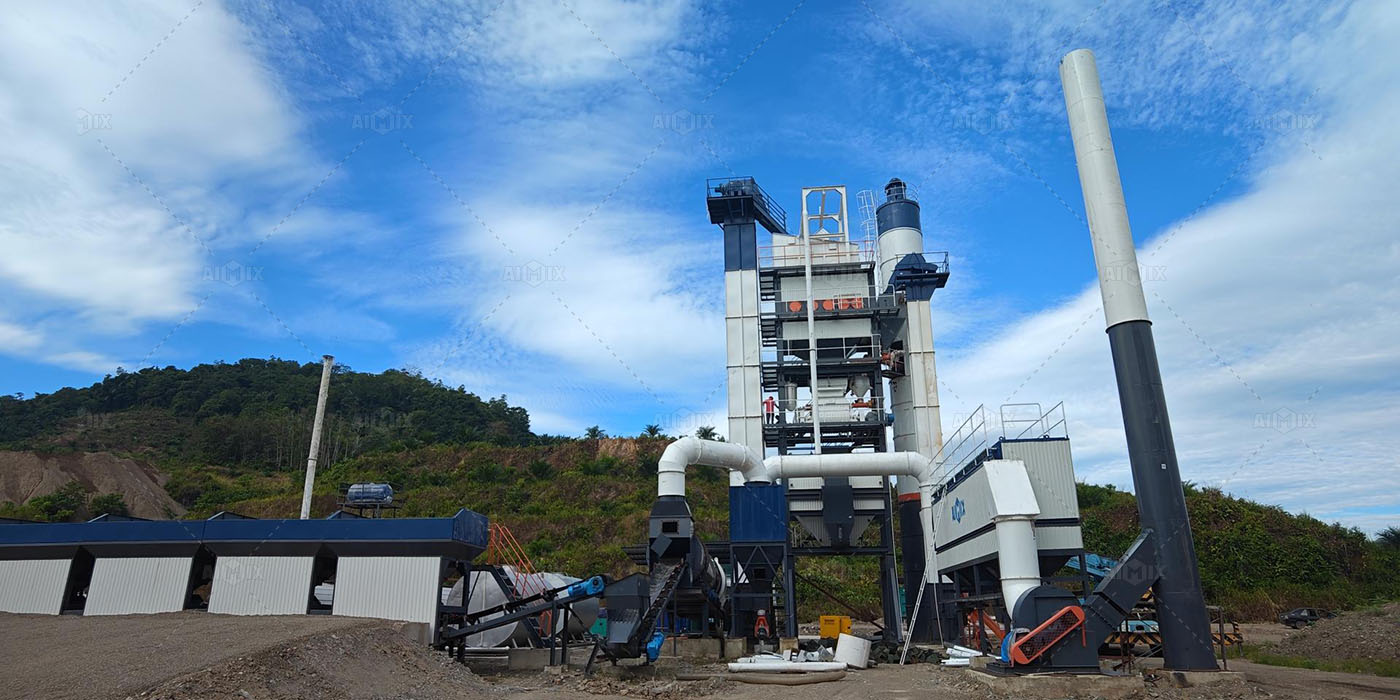
120tph stationary asphalt mixing plant for sale in Malaysia for selling asphalt aggregates

Types Of Asphalt Plants

Once project requirements are defined, understanding the different types of asphalt plants is crucial. Each type has specific advantages that suit different project sizes and durations.

Batch Asphalt Plants

Batch asphalt plants produce asphalt in separate batches, allowing precise control of mix quality. They are ideal for projects demanding consistent asphalt properties. For a 2-year project with 150,000 tons, a batch plant ensures that every batch meets quality standards. Moreover, batch plants can handle a variety of asphalt mix designs, making them versatile for different road layers.

Drum Continuous Asphalt Plants

Continuous drum plants are designed for high-volume production and operate continuously. They are more energy-efficient for large projects but offer less flexibility in mix design. For Ethiopia’s 2-year road reconstruction project, a drum plant may suit sections with consistent asphalt requirements. However, the inability to easily switch mix types could limit its usefulness in areas needing specialized mixes.

Production Capacity Matching

Matching the plant’s capacity with project demands ensures efficiency and cost-effectiveness. Overestimating capacity leads to unnecessary capital investment, while underestimating causes delays.

Choosing the Right Batch Plant Capacity

Based on our earlier calculation, a plant capable of producing 200–300 tons per day aligns with daily requirements. For example, a 200 TPH (tons per hour) asphalt mixing and batching plant can meet peak demands while providing some buffer for maintenance and downtime. Additionally, this size keeps energy and labor costs manageable, making it suitable for Ethiopian contractors with budget constraints.

Considering Drum Plant Capacity

If opting for a drum continuous plant, ensure it can sustain at least 250–300 tons per day. Continuous plants are advantageous for long stretches of road needing the same asphalt type. Yet, for variable mixes, this type may require additional equipment or blending systems.

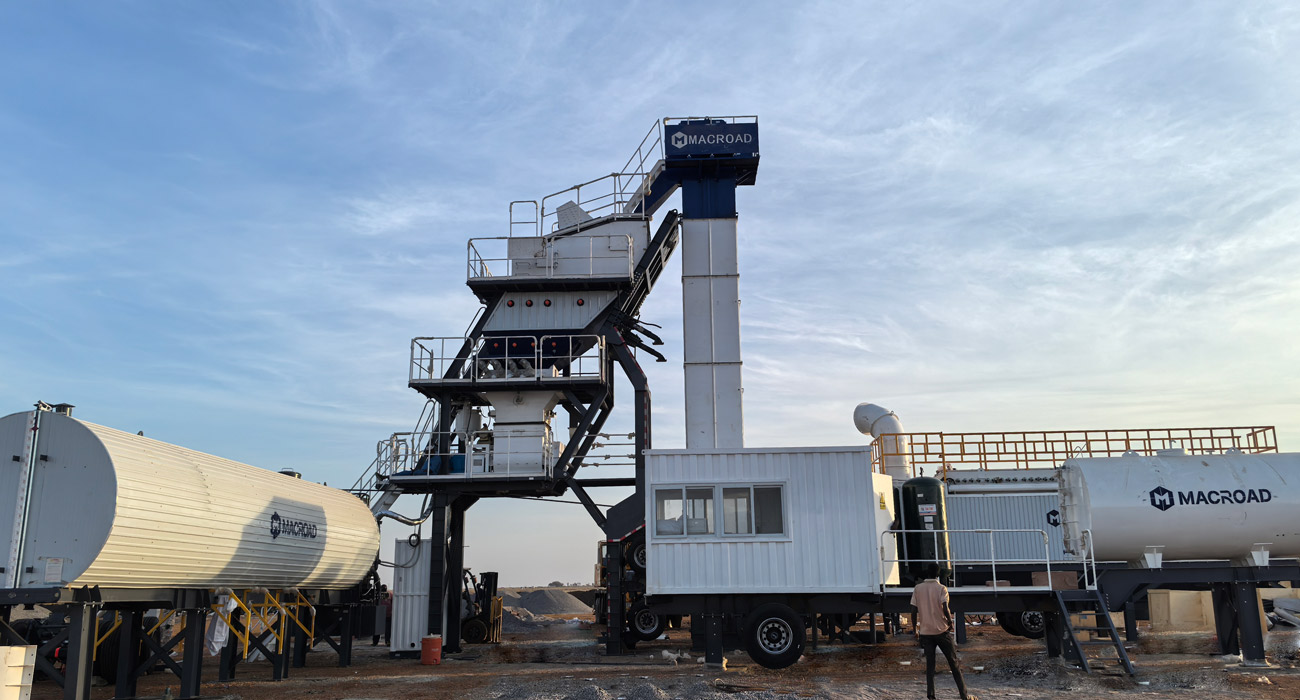
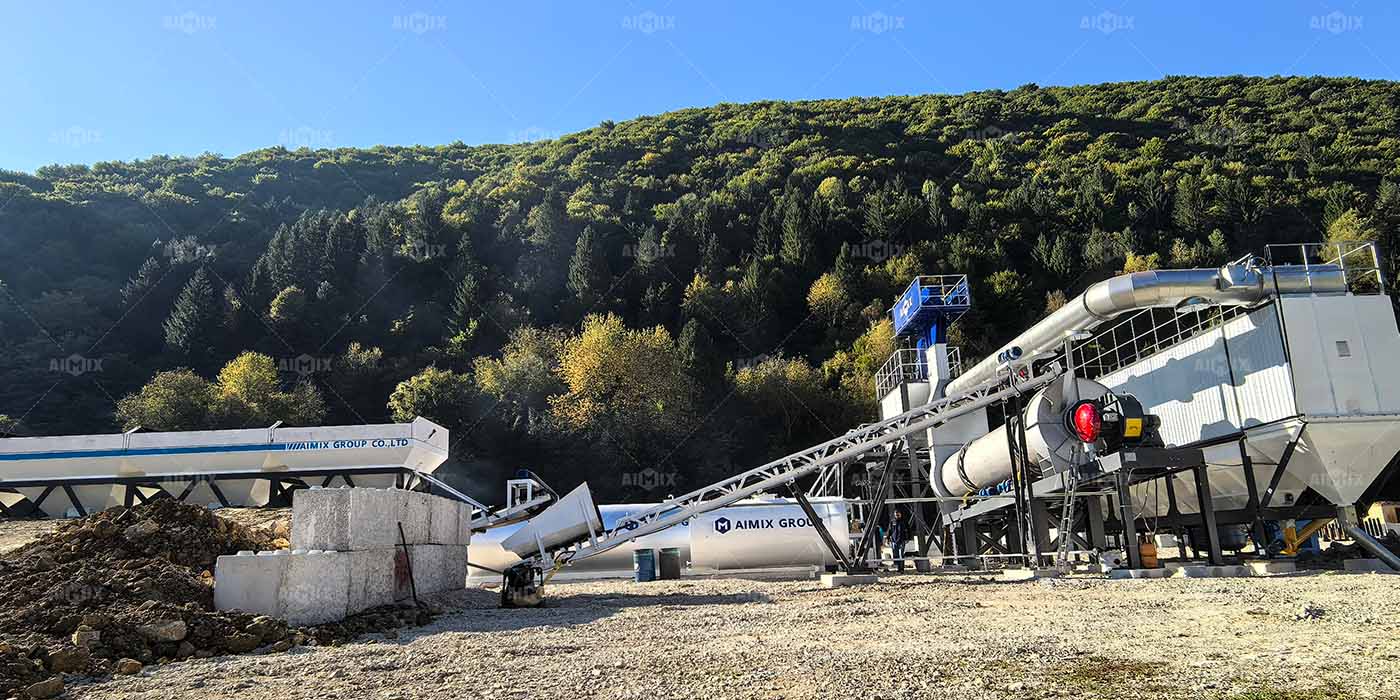
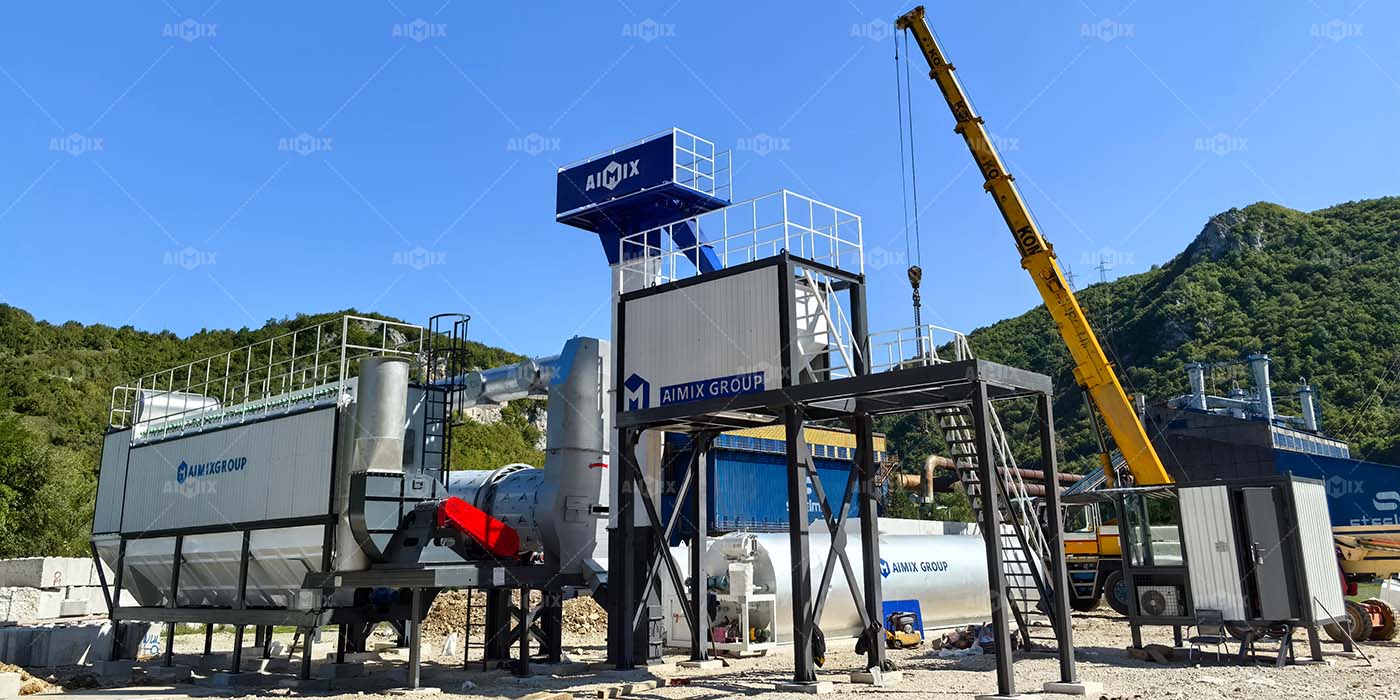
80TPH mobile drum mix asphalt plant equipment in Sarajevo, Bosnia and Herzegovina

Fuel Type And Energy Efficiency

Fuel costs are significant in asphalt production. Choosing a plant with high energy efficiency can save substantial money over two years. Modern asphalt plants in Ethiopia often use diesel, heavy oil, or natural gas. Evaluating local fuel availability and cost is critical before selecting a plant. Additionally, some plants incorporate waste heat recovery systems, which further reduce energy consumption.

Impact On Project Budget

Energy-efficient plants reduce operational costs. For a 150,000-ton project, even a small percentage of fuel savings translates to significant financial benefits. Contractors should calculate expected fuel consumption and compare options to ensure the chosen plant aligns with budgetary constraints.

Mobility And Installation

Depending on project layout and accessibility, the mobility of the asphalt plant may be decisive. Ethiopia’s road reconstruction often includes urban, peri-urban, and rural sections. Plants that can be relocated or set up quickly reduce downtime and improve overall project efficiency.

Stationary Vs. Mobile Plants

Stationary asphalt plants require more initial setup but are ideal for central locations near raw material sources. Mobile asphalt mix plants provide flexibility, especially for remote sections where transporting asphalt from a stationary plant may increase costs and risk quality degradation. For this 2-year project, a semi-mobile batch plant could offer a balance between stability and flexibility.

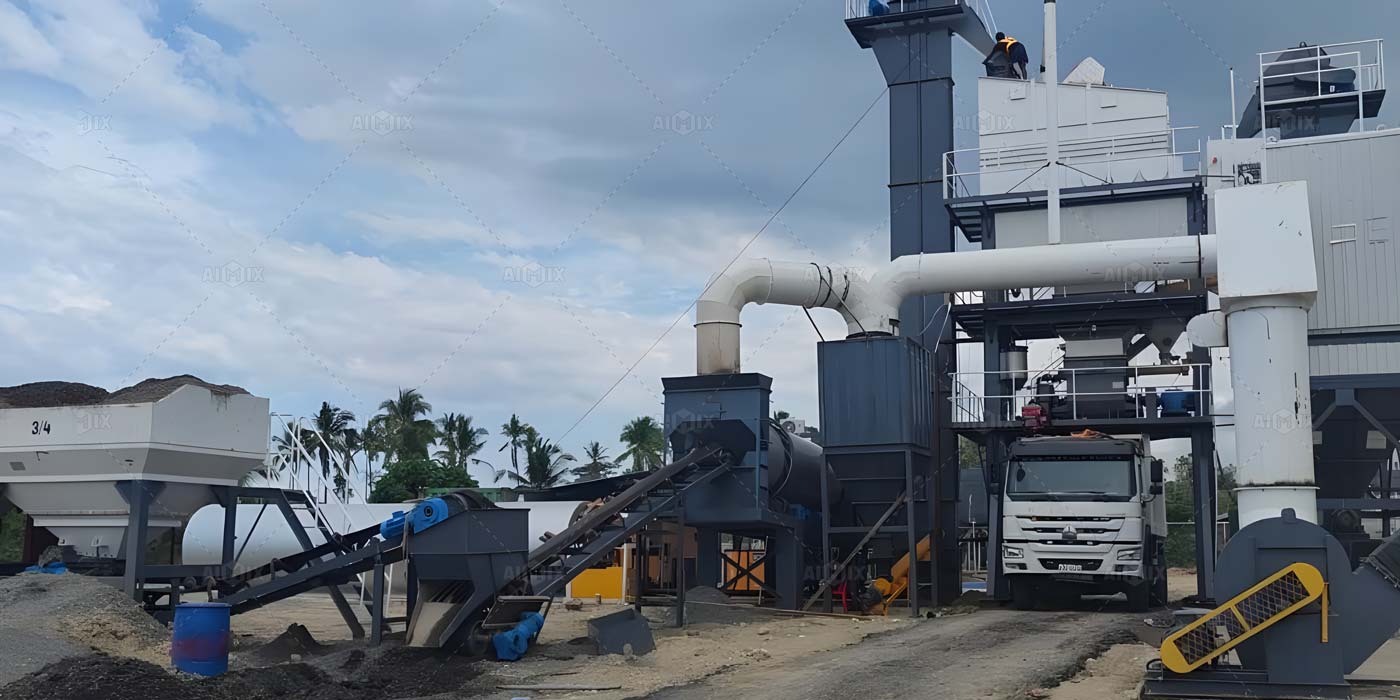
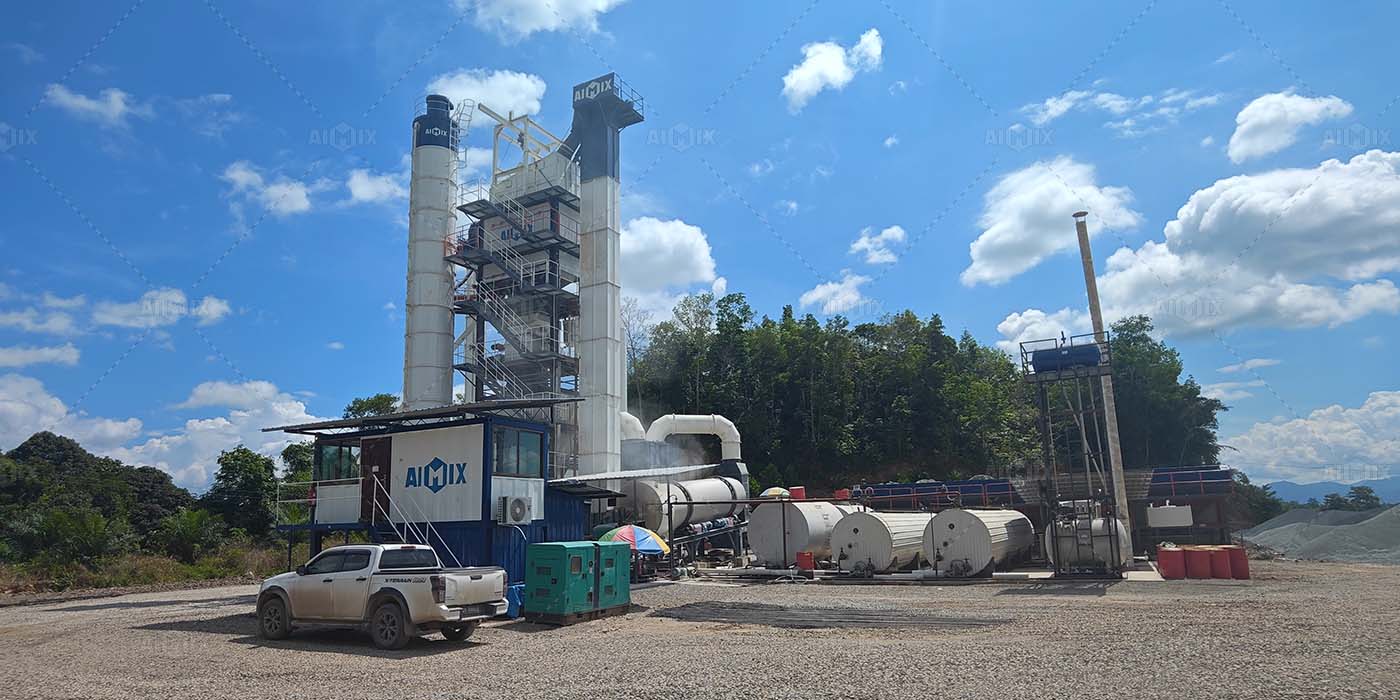
120tph asphalt batch plant win cooperation with Malaysian Contractors

Environmental Considerations

Modern projects prioritize sustainability. Selecting asphalt plants with advanced dust collection, noise reduction, and emission control systems is essential. Ethiopia enforces environmental standards for construction projects, and compliance avoids fines or delays.

Emission Control And Dust Collection

Plants equipped with bag filters or electrostatic precipitators effectively reduce dust emissions. This feature is particularly important in urban areas and sensitive environments. Choosing a plant with these systems demonstrates corporate responsibility and adherence to local regulations.

Noise Reduction Measures

Road construction sites often operate near communities. Plants with soundproofing and noise-reducing components minimize disruptions. This factor can influence permit approvals and community acceptance, ensuring smoother project execution.

Cost Analysis And ROI

Investment in an asphalt plant is significant. Contractors should evaluate both upfront cost and operational efficiency. Batch plants typically cost more initially but provide better quality control. Continuous plants may offer lower capital cost but could increase fuel consumption and limit mix flexibility.

Balancing Investment With Project Needs

For a project needing 150,000 tons, calculating cost per ton produced helps determine ROI. Consider maintenance, fuel, labor, and downtime. Selecting a plant that balances production efficiency with capital and operational costs ensures the project stays within budget while maintaining high-quality asphalt output.

80TPH mobile drum asphalt mixing plant installation in Sarajevo, Bosnia and Herzegovina

Recommended Asphalt Plant For Ethiopia’s 2-Year Road Reconstruction

Considering production needs, site conditions, mobility, and environmental factors, a 200–300 TPH batch asphalt plant is ideal. It provides precise mix control, sufficient daily output, and flexibility for varying asphalt types. Its energy efficiency and environmental compliance make it suitable for both urban and rural sections. Additionally, semi-mobile configurations offer adaptability for road reconstruction projects spanning multiple regions.

Conclusion: Making The Right Choice

Choosing the right asphalt plant can make or break a road reconstruction project in Ethiopia. A 2-year project requiring 150,000 tons needs a plant that delivers quality, efficiency, and flexibility. By considering daily production needs, plant type, energy efficiency, mobility, and environmental compliance, contractors can select an asphalt plant that maximizes ROI and ensures timely completion.

If you want to guarantee smooth operations, high-quality asphalt, and cost-effective production, investing in a suitable batch asphalt plant is the best strategy. Consult with experienced asphalt plant suppliers to match your project’s requirements and secure equipment that supports your long-term construction goals. Start planning now to keep your road reconstruction project on track and within budget.

How Do Concrete Pumps Suppliers Ship Mini Concrete Pump with Mixer to Kenya

Kenya’s construction industry has been developing rapidly in recent years, driven by rural infrastructure construction, urban renewal, and small-scale commercial projects, creating a huge demand for efficient and compact concrete equipment. Mini concrete pump with mixer, which integrates mixing and pumping functions, has become a popular choice for local small and medium-sized construction teams, thanks to its flexibility and cost-effectiveness. As a result, more and more concrete pumps suppliers are focusing on the Kenyan market, providing portable concrete pump for sale and mini concrete pumps for sale, including the widely needed mini concrete pump with mixer. Shipping such equipment from global or regional concrete pumps suppliers to Kenya involves a series of systematic operations, including logistics mode selection, packaging and preparation, customs clearance, and inland transportation, which are closely related to Kenya’s local policies, transportation conditions, and market needs. This article explores in detail the specific process and key links of how concrete pumps suppliers ship mini concrete pump with mixer to Kenya, integrates all specified key phrases, and reveals the practical strategies adopted by suppliers to ensure safe and efficient delivery.

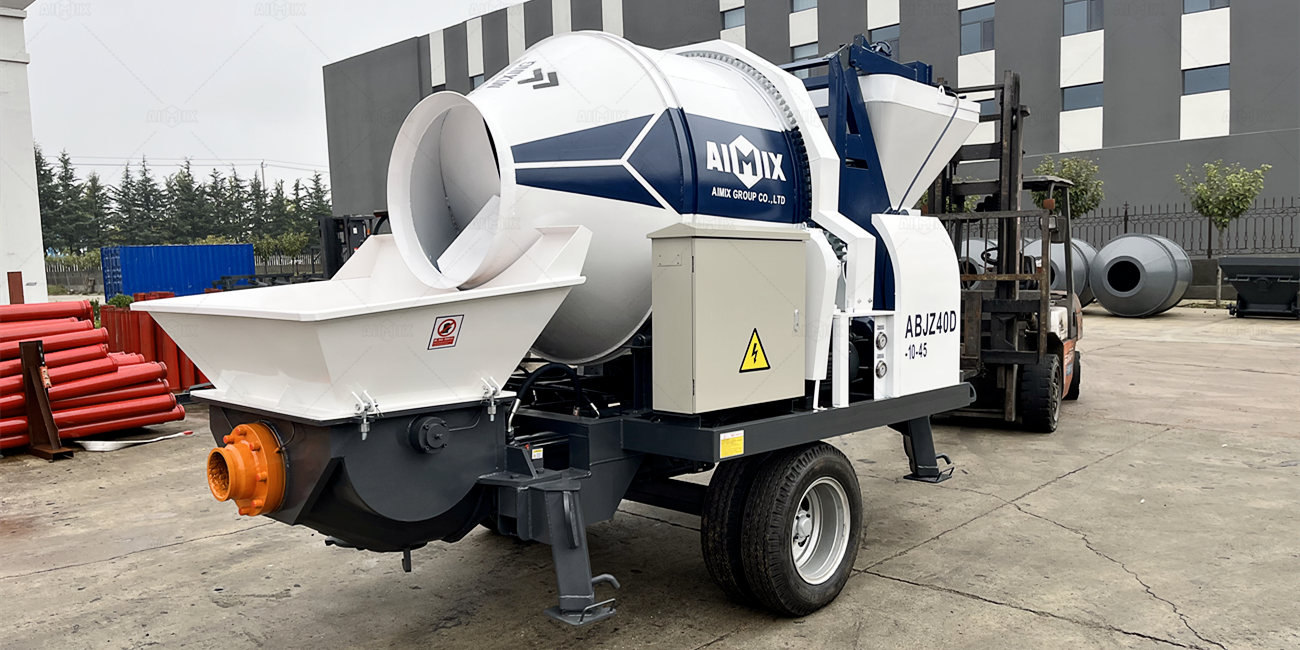
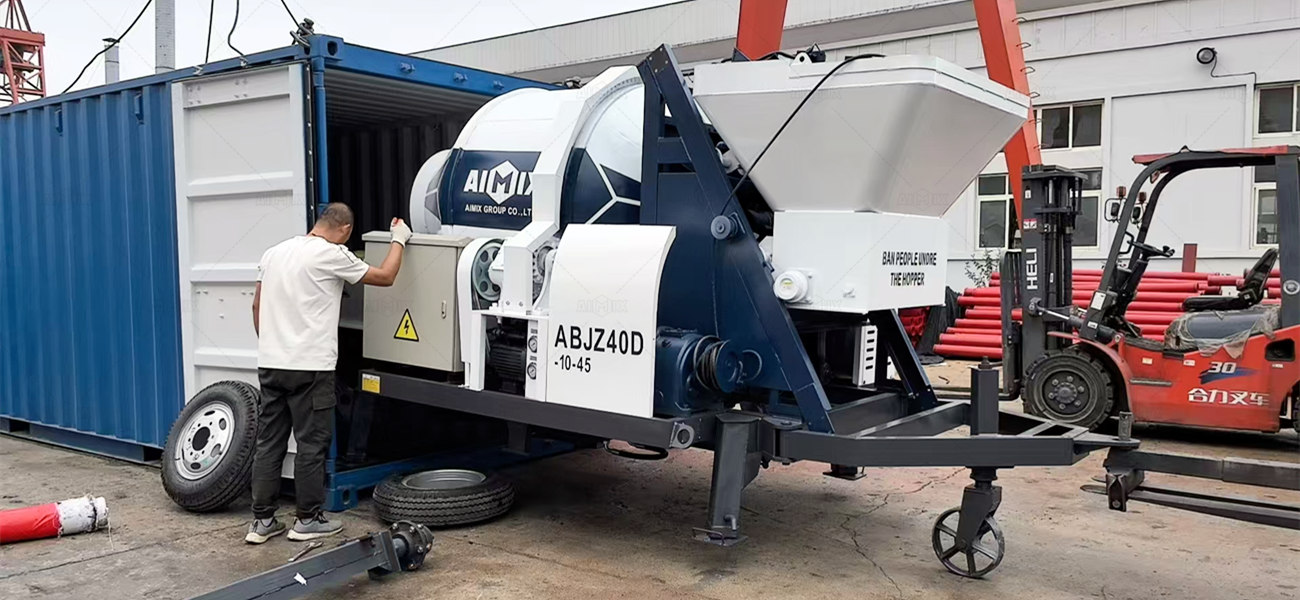
ABJZ40D model electric concrete pump with drum mixer being moved by forklift

Pre-Shipping Preparation: Product Customization and Documentation by Concrete Pumps Suppliers

Before shipping mini concrete pump with mixer to Kenya, concrete pumps suppliers need to complete two core pre-shipping preparations: product customization according to Kenyan market needs and documentation sorting in line with local import policies, which lay the foundation for smooth shipping. Firstly, in terms of product customization, since Kenya’s construction projects are mostly small-scale (such as rural residential construction and road maintenance), and the power supply in remote areas is unstable, concrete pumps suppliers will adjust the specifications of mini concrete pump with mixer when providing portable concrete pump for sale and mini concrete pumps for sale to Kenya. For example, most suppliers will equip the mini concrete pump with mixer with diesel engines to ensure independent operation without relying on grid power, and design detachable components to reduce volume and weight, facilitating subsequent transportation. In addition, considering Kenya’s relatively underdeveloped transportation infrastructure, suppliers will also strengthen the wear resistance of the equipment’s core components (such as mixing drums and pumping pipelines) to adapt to harsh transportation and construction conditions, which is also a key selling point for mini concrete pumps for sale in the Kenyan market. Secondly, in terms of documentation preparation, concrete pumps suppliers must strictly comply with Kenya’s import regulations, including the East African Customs Management Act and the Customs and Excise Act. The necessary documents usually include commercial invoices, packing lists, bills of lading, certificate of origin, and product conformity certificates (such as KEBS PVOC certification, which is required by Kenya Standards Bureau to ensure product quality and safety). Suppliers need to ensure that all documents are complete and accurate, especially the product description and value declaration, to avoid customs detention and delay. Many experienced concrete pumps suppliers, such as China’s Hunan Runcheng Machinery, which has long supplied equipment to Kenya, will assign special personnel to sort out documents and verify them with Kenyan customs in advance, ensuring that the pre-shipping preparation is in line with local requirements.

Logistics Mode Selection: The Core Link for Suppliers to Ship to Kenya

The selection of logistics mode is the core link for concrete pumps suppliers to ship mini concrete pump with mixer to Kenya, and suppliers usually choose the most suitable mode according to the order quantity, delivery time, and cost budget, with sea transportation and air transportation being the two main options. Sea transportation is the most commonly used mode for concrete pumps suppliers, especially for large-batch orders of mini concrete pump with mixer, portable concrete pump for sale, and mini concrete pumps for sale. Kenya has two major ports: Mombasa Port (the largest seaport in East Africa) and Lamu Port, among which Mombasa Port is the main entry point for imported concrete equipment. Suppliers usually transport the equipment from their own warehouses to nearby seaports (such as Shanghai Port in China, Rotterdam Port in Europe) by land transportation first, then load them into containers for sea transportation to Mombasa Port. The advantage of sea transportation is low cost—suitable for large-batch shipments, and the transportation cost per unit of mini concrete pump with mixer is 50%-70% lower than that of air transportation. However, the transportation time is longer, usually 20-35 days, depending on the departure port and shipping route. For example, concrete pumps suppliers in China usually take 25-30 days to ship mini concrete pump with mixer to Mombasa Port by sea. Air transportation is mainly used for small-batch urgent orders, such as when Kenyan construction teams need mini concrete pump with mixer urgently for emergency projects. Suppliers will transport the equipment to Nairobi’s Jomo Kenyatta International Airport by air, with a transportation time of only 2-5 days. However, the cost is extremely high—usually 6-10 times that of sea transportation, so it is only used in special cases. In addition, with the opening of direct flights between Changsha and Nairobi, some concrete pumps suppliers have begun to use air transportation for small-batch high-value mini concrete pump with mixer, shortening the transportation time and improving efficiency. For regional concrete pumps suppliers (such as those in South Africa), road transportation may also be an option for small-batch shipments, but it is limited by border crossing procedures and road conditions.

Packaging and Loading: Ensuring Safe Transportation of Mini Concrete Pump with Mixer

Mini concrete pump with mixer is a precision mechanical equipment, with core components such as mixing systems, hydraulic systems, and electrical control modules that are easily damaged during transportation. Therefore, concrete pumps suppliers attach great importance to packaging and loading to ensure the equipment is intact when arriving in Kenya. When preparing portable concrete pump for sale and mini concrete pumps for sale, including mini concrete pump with mixer, suppliers usually adopt two-layer packaging: the inner layer uses foam and plastic film to wrap the equipment tightly, preventing moisture, dust, and collision; the outer layer uses high-strength wooden boxes or steel frames to fix the equipment, enhancing the compression resistance and impact resistance of the packaging. For detachable mini concrete pump with mixer, suppliers will disassemble the components (such as mixing hoppers, pumping pipelines, and control panels) first, package them separately, and mark the corresponding installation numbers to facilitate subsequent assembly by Kenyan purchasers. During loading, suppliers will use cranes or forklifts to place the packaged equipment into containers or transport vehicles, and use steel wires, wooden blocks, and other materials to fix it firmly, avoiding displacement and collision during transportation. In addition, suppliers will also place shock-absorbing pads between the equipment and the packaging box to reduce vibration damage during sea or air transportation. For example, concrete pumps suppliers like Qingdao Konile Heavy Industry, which exports equipment to many African countries including Kenya, have established strict packaging standards for mini concrete pump with mixer, ensuring that the damage rate during transportation is controlled below 2%. This careful packaging not only protects the equipment but also helps smooth customs inspection, as intact packaging can reduce the probability of customs unpacking and damage.
ABJZ40D concrete mixing pump being put into container for shipment

Customs Clearance: Complying with Kenyan Policies to Avoid Delays

Customs clearance is a key link that affects the shipping efficiency of mini concrete pump with mixer from concrete pumps suppliers to Kenya, and suppliers must strictly comply with Kenyan customs policies to avoid detention and additional costs. Kenya implements a Common External Tariff (CET) as a member of the East African Community, with a three-band tariff system for imported goods: 0% for raw materials and capital goods, 10% for semi-processed goods, and 25% for finished goods. Mini concrete pump with mixer is classified as a finished mechanical product, so it is subject to a 25% import tariff. In addition, Kenya also levies value-added tax on imported goods, which needs to be paid by the purchaser or borne by the supplier according to the trade terms. To ensure smooth customs clearance, concrete pumps suppliers will cooperate closely with local Kenyan customs brokers, who are familiar with local customs regulations and can help sort out documents, declare goods, and pay tariffs and other fees. Suppliers will provide complete documents (including commercial invoices, packing lists, and PVOC certificates) to customs brokers in advance, ensuring that the declared information is consistent with the actual goods. In addition, suppliers will also clearly mark the product name, model, quantity, and value on the packaging of mini concrete pump with mixer, facilitating customs inspection. It should be noted that Kenya has strict import restrictions on some mechanical equipment, and mini concrete pump with mixer must meet the environmental and safety standards specified in the Standards Act to pass customs inspection. Some experienced concrete pumps suppliers, such as Hunan Runcheng Machinery, will also invite Kenyan purchasers to inspect the goods before shipping, ensuring that the product specifications and quality meet local requirements and avoiding customs clearance failures due to non-compliance.

Inland Transportation: Delivering from Ports to Kenyan Purchasers

After the mini concrete pump with mixer arrives at Mombasa Port or other Kenyan ports and completes customs clearance, concrete pumps suppliers need to arrange inland transportation to deliver the equipment to the purchasers’ designated locations (such as construction sites or warehouses), which is the final link of the shipping process. Kenya’s inland transportation infrastructure is relatively underdeveloped, with paved roads mainly concentrated in urban areas, and rural areas mostly covered by unpaved roads, which brings certain challenges to inland transportation. To solve this problem, concrete pumps suppliers usually cooperate with local Kenyan logistics companies that are familiar with local road conditions. For urban purchasers (such as those in Nairobi, Mombasa), suppliers will arrange medium-sized flatbed trucks to transport the mini concrete pump with mixer directly to the designated location, with a transportation time of 1-3 days. For rural purchasers (such as those in Kaduna or Kano), suppliers will choose off-road vehicles or modified flatbed trucks that can adapt to unpaved roads, and may also disassemble the equipment again to reduce weight and volume, facilitating transportation through narrow rural roads. In addition, suppliers will also arrange professional technicians to accompany the transportation if necessary, to handle possible equipment damage or malfunctions during inland transportation. For example, when transporting mini concrete pump with mixer to remote rural construction sites, suppliers will check the road conditions in advance, avoid areas with severe potholes or floods, and adjust the transportation route in time to ensure on-time delivery. Some concrete pumps suppliers also provide door-to-door delivery services for portable concrete pump for sale and mini concrete pumps for sale in Kenya, integrating sea transportation, customs clearance, and inland transportation into a one-stop service, which is favored by local purchasers. This one-stop service not only saves purchasers’ time and energy but also reduces the risk of equipment damage during the handover process.

Post-Shipping Support: Ensuring Equipment Usability for Kenyan Purchasers

For concrete pumps suppliers, shipping mini concrete pump with mixer to Kenya does not end with the delivery of the equipment; post-shipping support is also an important part of the service, which helps improve customer satisfaction and expand the Kenyan market. After the equipment arrives at the purchaser’s location, suppliers will send professional technicians to assist in unpacking, assembling, and debugging the mini concrete pump with mixer, ensuring that the equipment can operate normally. For example, Hunan Runcheng Machinery, which has deep experience in the Kenyan market, sends technicians to Kenya to provide on-site guidance for purchasers, teaching them how to operate the equipment, maintain it, and handle common faults, which has won widespread recognition from local customers. In addition, suppliers will also provide spare parts support—preparing common spare parts (such as wear-resistant liners, hydraulic seals, and electrical components) for mini concrete pump with mixer and transporting them to Kenya in advance, or arranging for timely delivery of spare parts when purchasers need them. This is particularly important for Kenyan purchasers, as the local supply of spare parts for concrete equipment is limited, and delayed spare parts delivery may affect construction progress. Suppliers also provide after-sales maintenance services, either through local cooperative maintenance points or by sending technicians to Kenya for on-site maintenance, ensuring that purchasers can get timely support when the equipment fails. These post-shipping support measures not only reflect the professionalism of concrete pumps suppliers but also help promote the sales of portable concrete pump for sale and mini concrete pumps for sale in the Kenyan market, establishing long-term cooperative relationships with local purchasers.
In conclusion, shipping mini concrete pump with mixer to Kenya by concrete pumps suppliers is a systematic process involving pre-shipping preparation, logistics mode selection, packaging and loading, customs clearance, inland transportation, and post-shipping support. Suppliers need to fully consider Kenya’s local policies, transportation conditions, and market needs, flexibly adjust their shipping strategies, and strictly comply with relevant regulations to ensure safe, efficient, and timely delivery. By providing high-quality mini concrete pump with mixer, portable concrete pump for sale, and mini concrete pumps for sale, as well as professional shipping and after-sales services, concrete pumps suppliers can better meet the demand of Kenya’s construction industry and achieve mutual benefit and win-win results with local purchasers. As Kenya’s construction industry continues to develop, the shipping process will become more optimized, and concrete pumps suppliers will play an increasingly important role in promoting the development of Kenya’s concrete equipment market.

A Concrete Mixing Plant Price Is Good To Look Into

You need to find a concrete mixing plant price that is worth paying. There are some on the market that are just not a good fit for most people. Before you spend your money, make sure you use the advice you are about to be given here so that you come out ahead.

Take a look at what a lot of different companies want you to pay for what they have for sale. There are going to be a lot of options sometimes so you’re going to need to shop around a bit to get a feel for prices and what they seem to be on average. If a company seems to have much higher prices than the rest, you need to avoid working with them. Once you are done working on looking at prices, you can eliminate any companies that want you to spend more than what the plant(planta concretera en venta) is worth.

Stick with a company that is going to provide you with awesome customer service when you buy a concrete mixing plant from them. It’s possible to find a lot of options out there that are just not a good fit because the companies may not know how to treat people in a way that makes them happy. You can get an idea of what they are going to do for customer service by contacting them through email or on the phone with a question. If they seem to be terrible at helping you, then you know not to go through them.

Always make sure that there is a way to get a refund if there is an issue of some kind with your purchase. You’re going to learn that a few companies out there are not worth working with because they want you to keep something even if it’s broken. If they say that all sales are final, then you know not to work with them or you’re going to be bummed out if there is a problem. Always try to go with companies that will help you even after you have spent money on what they’re selling see this page: https://aimixgrupo.com.mx/planta-dosificadora-de-concreto/.

Look to reviews to learn a bit more about what your options are going to be. It’s always best to go with a company that is known for being good at what they do when it comes to selling concrete mixing plants(fabrica de concreto premezclado). If most people tell you that they are a terrible company then you know not to stick with them if you want to be happy with what happens when you do business with them. There are always going to be choices out there that are not good to go with so always be sure you read up on a company first.

It’s smart to pay a decent concrete mixing plant price that is worth the money. Sometimes you’ll find options that are way too high in price and at other times you can track down options that are very much worth it from Aimix Group. Get started today and you can find a concrete mixing plant quickly.

Mobile Crusher Plant Philippines and its Essential Parts

A mobile crusher plant Philippines processes and breaks down different materials into smaller pieces that can be used for construction or other purposes. There are several types of crushers that can be used in a mobile crusher plant, including jaw crushers, impact crushers, and cone crushers. Each type of crusher has its own advantages and disadvantages, so it’s important to select the right one for the job. For example, jaw crushers are typically used for primary crushing, while impact crushers are better suited for secondary crushing. After the material has been processed by a crusher, it will then be sorted and sized by a series of screens. Once the desired particle size is achieved, the material can then be transported to another location or stored for future use.

tire type mobile crusher plant

Parts Of A Mobile Crusher Plant

1. Vibrating Screen

The vibrating screen is one of the most essential components of a mobile crushing plant. It is used to separate material from the crushed rock and to size it for the next stage of the crushing process. The vibrating screen has a number of advantages over other types of screens, such as it is less energy-intensive, it does not cause wear and tear on the jaw crusher for sale, and it can handle wet or dry material.

2. Hopper

The hopper is responsible for collecting and storing material before it is fed into the crusher. The hopper must be large enough to hold the material to be processed, and it must be able to discharge the material evenly into the crusher. The design of the hopper must take into account the type of material to be processed, the capacity of the crusher, and the expected discharge rate. In addition, the hopper must be designed to prevent material from being trapped or lost in the event of a power failure. Check more details here: https://aimixgroup.ph/cone-crusher-for-sale/.

crawler type mobile crushing plant

3. Impactor

The impactor is the main crushing equipment of a stone crusher plant Philippines. Materials are fed into the impactor through a feed hopper and are crushed by the high-speed impact of the blow bars. The crushed materials are then thrown against the anvil plate or rebounded off it to be broken again. The blow bars can also be reversed so that they can be used for both primary and secondary crushing. In addition to its crushing function, the impactor also has a screening function. The undersized materials are screened out and discharged through the side door, while the oversized materials continue to be crushed until they reach the desired size.

4. Rotary Screen

In order to select the right materials for further processing, it is essential to have a reliable way to sort them by size. The rotary screen is ideal for this purpose, as it can quickly and accurately separate target materials from debris. By doing so, it helps to keep the crusher plant running smoothly and efficiently. In addition, the rotary screen can also be used to remove contaminants from the target materials before they are fed into the crusher.

The mobile crusher plant is mainly used in the field of metallurgy, building materials, chemical industry, and water conservancy for primary and fine crushing of different types of stones and rocks. With the fast development of the construction industry, there will be more and more demands for mobile crusher plants in the Philippines in the future.

How to Find Concrete Plant for Sale Philippines

A concrete plant combines various ingredients, such as sand, aggregate (gravel, rocks, etc.), fly ash, water, potash, and cement to form concrete. It is primarily used on construction sites to create custom concrete mixes for specific purposes. For example, construction crews may use a concrete plant to create a specific type of concrete for each phase of a building project. This allows them to tailor the concrete mix to the needs of each stage of construction. Ready-mix concrete is often used in large commercial projects like dams, bridges, and high-rise buildings. This type of concrete is produced in a factory and delivered to the construction site via truck-mounted transit mixers. Now that you know how this machine can make a difference in a construction project, let’s find out how to buy a concrete plant for sale Philippines.

Mobile Concrete Batching Plant AJY-35

Buying A Concrete Plant

When you are in the market for a concrete plant for sale Philippines, you need to be aware of several factors.

● First of all, it is important to make sure that you buy from a reputable dealer. You’ll find many fly-by-night companies out there that concrete batch plants for sale that do not meet the proper safety standards.


● Secondly, you will want to make sure that you get a plant that is the right size for your needs. If you buy a plant that is too small, you will not be able to produce enough concrete to meet your needs. On the other hand, if you buy a plant that is too large, you will end up wasting money on equipment that you do not need.

● Finally, you will also want to make sure that you get a plant that is easy to operate. The last thing you want is to have to spend hours trying to figure out how to use your new concrete plant. Learn more information here: https://aimixphilippines.ph/mobile-concrete-batching-plant/.

AJ-50 stationary batching plant in philippines

Concrete Plant Maintenance

As any concrete plant owner knows, routine maintenance is essential to keeping your equipment in good working condition. Here are a few tips to help you keep your plant running smoothly:

● Be sure to regularly lubricate all moving parts. This will help to prevent wear and tear on the machinery.
● It’s important to keep the self loading concrete mixers clean. Otherwise, the concrete may not set properly. Don’t forget to clean out the mixers after each batch of concrete is prepared.
● Make sure you visually inspect the conveyor belts regularly. Look for any signs of damage or wear and tear. If necessary, replace damaged belts to avoid costly repairs down the line.
● Seal your concrete periodically to protect it from water damage, staining, and wear. This will extend the life of your concrete and keep it looking its best.

Concrete plants are a major investment. It is important to do your research before buying one. There are many factors to consider, such as the size of the ready mix concrete plant for sale, the type of concrete it will produce, and its intended use. Therefore, take time to find the best model that fits your budget.

Why is it Economical to Buy a China Self Loading Concrete Mixer Instead of Renting One

When it comes to Chinese concrete mixer trucks, there are two main options: self loading mixer trucks and professional concrete mixer truck services. Self loading mixer trucks are typically more expensive than professional concrete mixer truck services. However, there are a few factors that can affect the cost of each option. For instance, self loading mixer trucks generally have a higher capacity than professional concrete mixer truck services. This means that they can handle larger jobs, which can save money in the long run. In addition, self loading mixer trucks (бетоносмесители с самозагрузкой самоходные) are often faster and more efficient than professional concrete mixer truck services. This can save time and labor costs, making them a more cost-effective option for many projects.

Cost of owning and operating a Chinese self loading concrete mixer truck

Chinese self loading concrete mixer trucks can be a great option for those looking to save on the cost of their concrete projects. You may have to spend more money upfront for the initial investment, but self loaders can save money in the long run by eliminating the need to rent or purchase separate mixing equipment. Additionally, self-loaders can often be operated with a smaller crew, which can further reduce labor costs.

The Chinese self-loading concrete mixers (автобетоносмеситель с самозагрузкой китай) usually come equipped with a loading bucket or chute, a rotating drum, and a hydraulic arm. These mixers can be expensive, with new models costing upwards of $100,000. However, they can be a worthwhile investment for construction companies that do a lot of concrete work.

On the other hand, the cost of renting a self loading concrete mixer truck will vary depending on the size of the truck, the length of the rental, and the location. However, it is typically between $100 to $200 per day. For larger trucks or longer rentals, the price may be higher. This shows that even though renting the concrete mixer is economical, it is not a suitable option in the long run. Imagine spending over $100 every day for years. Instead, it would be wise to buy the machine. Learn more: https://aimixgroup.ru/betonomeshalka-s-samozagruzkoy-tsena-nedorogaya-kupit-iz-kitaya/.

How does the mixer work?

A self loading concrete mixer from China consists of a rotating drum that is mounted on a chassis. It has a hydraulic arm that is used to load the concrete into the mixer. The mixer can be operated by a single person, making it ideal for small construction projects. It works by first scooping up the required amount of sand, gravel, and water from the ground. These ingredients are then fed into the rotating drum, where they are mixed together. The hydraulic arm is then used to load the mixed concrete into the mixer. This type of concrete mixer can be transported to the construction site, where you can use it to pour concrete into molds or trenches.

These concrete mixers have been around for years, but the modern versions are much more efficient. They can be used to create small batches of concrete or large quantities depending on the needs of the project. Invest in this machine to make it easier for your construction works to source high-quality concrete. If you want to buy self-loading concrete mixers, Aimix Group Co., ltd. is a good choice.

6 Tips For Purchasing Concrete Pumps In Jamaica

Construction businesses can use concrete pumps for high-rise buildings, bridges, or even backyard patios. It is easy to purchase a concrete pump. However, choosing the best concrete pumps in Jamaica can impact construction project costs and productivity. Choose a concrete pump that best fits your requirements.

Here are 6 tips for purchasing concrete pumps in Jamaica:

1. The Type of Concrete Pump

You need to consider your requirements before looking for a concrete pump. There are different types of concrete pumps on the market. They are used for different purposes on the construction site.

For instance, if you want to pump more concrete within a short time, you can purchase a boom pump. It can quickly deliver the concrete, saving you more time. However, it is expensive to purchase it.

ABJZ40C Diesel Concrete Mixer Pump

2. Choose The Right Brand

There are well-known and lesser-known brands in Jamaica. Do not assume well-known brands are the best on the market. It is essential to choose a brand with better customer support and spare parts supply.

If you want to purchase your concrete pump from an overseas manufacturer, make sure the manufacturer has spare parts warehouses and services centers in Jamaica.

3. Set Your budget

Do not just consider the cost of purchasing your concrete pumps in Jamaica. You need to consider the cost of the extra parts, gears, and other accessories. Can you afford to purchase the extra accessories?

It is expensive to purchase a concrete pump because it is heavy machinery. If you are not ready to spend so much money on your concrete mix pump, you can purchase a second-hand concrete pump.

If you can afford to purchase a brand-new concrete pump, do not hesitate to purchase it.

Diesel Concrete Mixer with Pump for Sale

4. Inspect the Concrete Pump

Inspect the concrete pump before buying it. Inspecting the concrete pump can help you know the condition of the concrete pump. Hire an inspector to inspect the concrete pump.

It is expensive to repair heavy machinery. It is, however, much cheaper to hire an expert to inspect the machine. If the machine is in good condition, you can purchase it.

If the concrete pump needs repairs, ask the seller to repair their concrete pump before purchasing it.

5. Check the Maintenance Costs

Regular maintenance and servicing can keep your concrete pump in top running conditions and even extend the lifespan of your concrete pump. If you cannot afford to maintain a concrete pump, do not purchase it.

You need to consider the number of wear parts and components, accessibility of spare parts, and the simplicity of the design before buying the best concrete pumps in Jamaica. More details here: https://concretemixerwithpump.com/concrete-mixer-with-pump-for-sale/.

6. Simple Operation

It is expensive to hire an expert to train your workers to use your concrete pump. The manufacturer or dealer can offer to train your workers to operate their concrete pump. These are the things you need to consider before purchasing your concrete pump.

If the concrete pump is simple to operate, you do not have to spend so much time and money on training. It can save you some money.

Conclusion

It can take time and effort to find the best concrete pumps for sale in Jamaica. However, purchasing the highest-quality pump can reduce your costs and improve your productivity. You can get the best concrete pumps from reputable dealers in Jamaica.

How To Get The Best Price On A Self-Loading Concrete Mixer

Are you in the market for a self-loading concrete mixer (бетоносмеситель с самозагрузкой)? Do you worry that you will end up paying more than you bargained for? If so, you have come to the right place. Here is all of the information that you need to get the best price on the equipment that you need.

Comparison Shop

One way to cut costs is to compare prices at different companies before making your purchase. There is not a universal price that every vendor must adhere to when they are selling concrete mixers. As a result, the prices can vary wildly. Take a look at prices from at least 5-6 companies before deciding which one you would like to make a purchase (самозагружающийся бетоносмеситель купить) from. Keep in mind that great equipment does not have to be overly priced.

Negotiate

Whether you believe it or not, there are some companies that do not mind negotiating a bit with their prices. While it is common for some people to be offended when people attempt to get a deal, there are others who welcome this and they are willing to work with you. With this being said, make sure that the deal you are asking for is reasonable. If you offend someone by offering them an amount that is far too low, it is likely they will rescind their offer to negotiate and insist you pay the listed price.

Shop Internationally

There is no law that says you have to buy self-loading concrete mixers from the same country in which you live. There are many other countries that offer industrial equipment and in some cases, the prices are reasonable. For instance, if you go to Asia and look for a vendor (like Aimix China) there, it is very likely you will find what you need at a lower price than you would if you insist on buying from the United States.

Remember to do research on international vendors as well. You do not want to be so focused on saving money that you end up buying from a place that does not have a very good reputation.

Consider Used Equipment

When a company goes out of business, they are generally trying to make all of the money that can be made at the last minute. If you notice that a manufacturing plant is closing down, you should talk to someone there about buying some of their equipment. While you do not want to settle for something that is not in very good condition, it is possible that you can find something that is in pretty good shape. Since it has already been used, you can expect to pay far less for it than you would if you bought something new.

As you can tell, there are many ways to save a bit of money when you are out there buying industrial equipment. If you want to get a self-loading concrete mixer and you are trying to avoid breaking the bank, your best bet is to implement all of this information when you are out there shopping. Learn more about self-loading concrete mixer: https://aimixmachinery.uz/betonosmesitel-s-samozagruzkoy-tsena-kupit-kitay/.

How To Obtain A Reliable Mobile Crusher Plant For Sale

If you use a crusher apparatus at your quarry, these are typically stationary systems. There are also mobile crushers that can be moved from one location to the next. These are typically a track mounted machine that can be maneuvered from location to location. When you have the ability to transition these from one jobsite to the next, you can save a substantial amount of money. It is important to obtain one that is from a reliable source. Additionally, you need to find a good company that sells reliable mobile crusher plants (мобильные дробилки) for less.

How Do The Mobile Crushers Work?

These work in the same way that a standard crusher operates. In most cases, there is one stationary plate, and one that is mobile. As the plates move together, they are going to compress the rocks between them, and the smaller pieces will drop out at the bottom. There are different types of crushers available. You can use gyratory crushers, jaw crushers and many others. They are designed to work with specific diameters of rocks that you will place in them. That’s why having a mobile crusher can be even more useful.

How To Use A Mobile Crusher At Your Facility

When you look at different crushers, they are broken down into primary, secondary, and tertiary crushing units. Primary units are used for the largest rocks. These are subsequently then placed into secondary units, and finally tertiary systems for creating aggregate material. There are also quaternary systems that can produce materials like gravel. A mobile crusher can fulfill the role of one of these systems, and can be brought from your main location to others. By simply activating the system, once the rocks are placed into it, it can do the work of a standard crusher (камнедробилка) without any problem.

How To Find Mobile Crushers For Sale

Mobile crushers are easy to find due to their popularity. In the same way that stationary systems for the production of concrete are valuable, it’s also good to have mobile units. You can find mobile crushers that are currently being sold on different websites. Some of these will represent companies that are selling these for less. By obtaining quotes from each business (like Aimix Group China), it will be easy to decide which one will save you the most money. It is advantageous to speak directly with each manufacturer. You can tell them what you needed for and then they can direct you to the right piece of equipment. Additionally, they may alert you to sales that they are currently having on units they are trying to move quickly. This can help you save a substantial amount of money.

It is vitally important for any business that works with aggregate material to have at least one mobile crusher that they can use. You can bring this unit to any location to help with your production of aggregate material. However, you need to obtain it from a reliable source. If you are ready to purchase one of the most cost-effective mobile crushers on the market, begin searching today. It will enhance your business dramatically, simply by allowing you to bring it to different locations where you can produce aggregate and gravel. Learn more mobile crusher plants: https://aimixmachinery.ru/kupit-mobilnyye-drobilki-iz-kitaya/.