Across many African countries, road construction is moving fast. Governments invest in rural access roads. Private contractors handle short-term paving jobs. At the same time, project budgets remain tight. Transporting asphalt over long distances increases cost and delays work.
So, many contractors ask a practical question: which asphalt mixer plant type is the best choice for African road projects? The answer depends on project size, road conditions, mobility needs, and fuel availability. In this article, we break down the main options and help you make a confident decision. Let’s start by understanding what makes mini asphalt plants attractive in Africa.
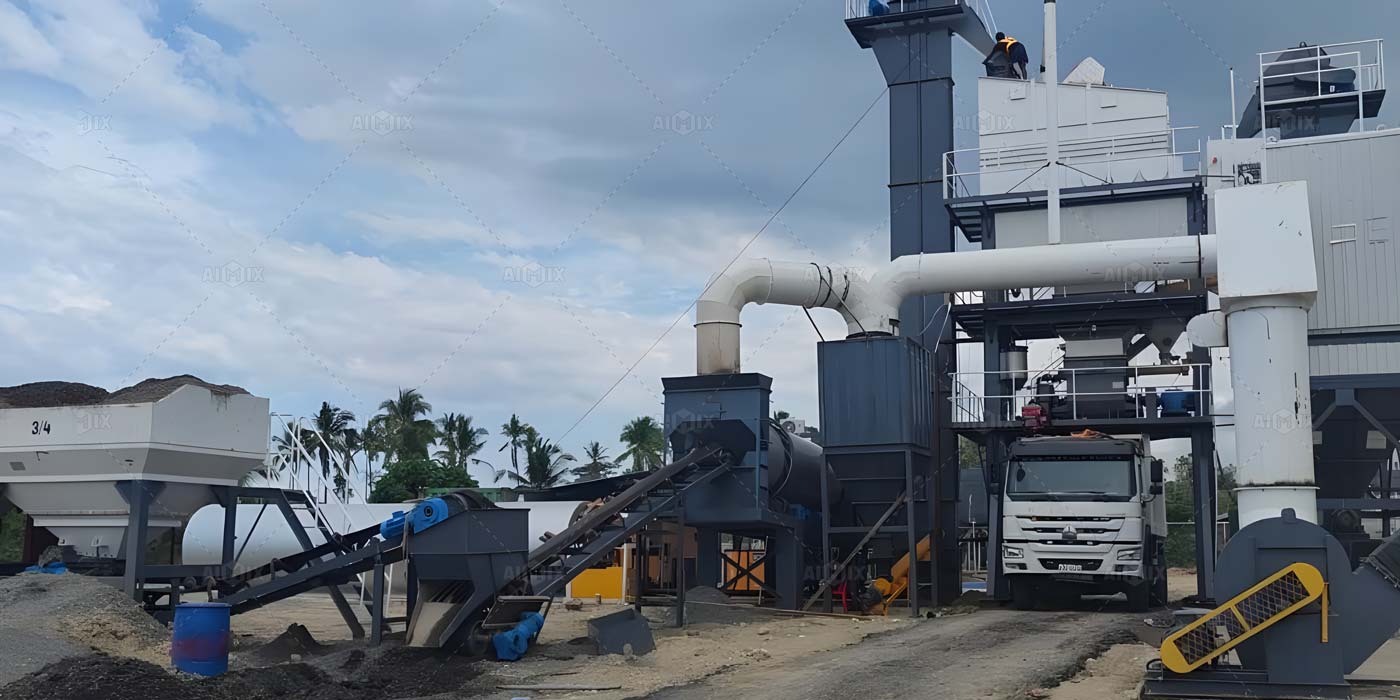
Why Mini Asphalt Plants Are Popular In Africa
Before choosing a plant type, it is important to understand why mini asphalt plants are widely used across Africa.
First, many projects are small to medium scale. For example, rural road construction often requires 20–60 TPH capacity. Large plants are not cost-effective in these cases.
Second, road projects are scattered. Contractors may work in multiple locations within a few months. Therefore, mobility becomes critical.
Third, fuel and logistics can be challenging. A compact plant reduces transportation and setup complexity.
As a result, mini asphalt plants offer a balanced solution between cost, efficiency, and flexibility.
Now that we understand the demand, let’s explore the main types available.
Main Types Of Mini Asphalt Plants
In general, mini asphalt plants fall into two major categories: batch type and drum mix type. Each has its own strengths. Your project requirements will determine the better option.
Let’s look at each type in detail.
Mini Asphalt Batch Plant
A mini asphalt batch plant produces asphalt in batches. It weighs aggregates and mixes them with bitumen in controlled cycles.
Key advantages:
– High mixing accuracy
– Flexible asphalt formula adjustment
– Better quality control
Typical capacity: 20–80 TPH
Best for:
– Urban road projects
– Government contracts with strict quality standards
– Projects requiring different asphalt grades
For example, if you handle municipal paving or highway repair, a batch plant gives you more control over mix quality.
However, there is a trade-off. Batch plants have a more complex structure. Initial investment is higher. Setup time is also longer.
Therefore, if your priority is precision and flexibility, this type works well.
Check out more about asphalt mixing plant mini for your specific needs.
Next, let’s look at a more cost-efficient option.
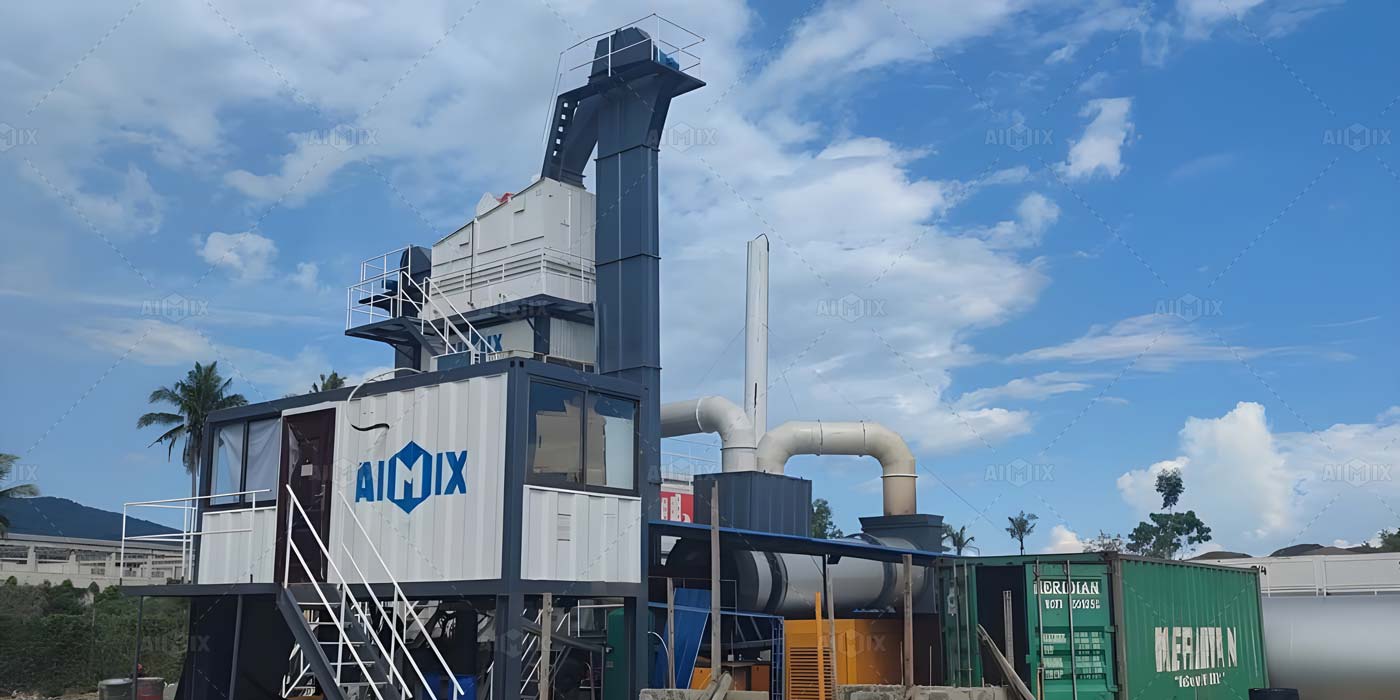
Mini Asphalt Drum Mix Plant
A drum mix plant produces asphalt continuously. Aggregates dry and mix with bitumen in a single drum.
Key advantages:
– Lower investment cost
– Simple structure
– Easy operation and maintenance
Typical capacity: 20–60 TPH
Best for:
– Rural road construction
– Low to medium-grade roads
– Contractors with limited budgets
In many African regions, this type is very popular. It performs well in remote areas where technical support is limited.
However, drum mix plants offer less flexibility in changing asphalt recipes. Also, mix accuracy is slightly lower than batch plants.
So, if your project focuses on cost control and continuous production, this type becomes a strong candidate. Learn more about asphalt drum mix plant for sale for more information.
Now, let’s move one step further and discuss mobility.
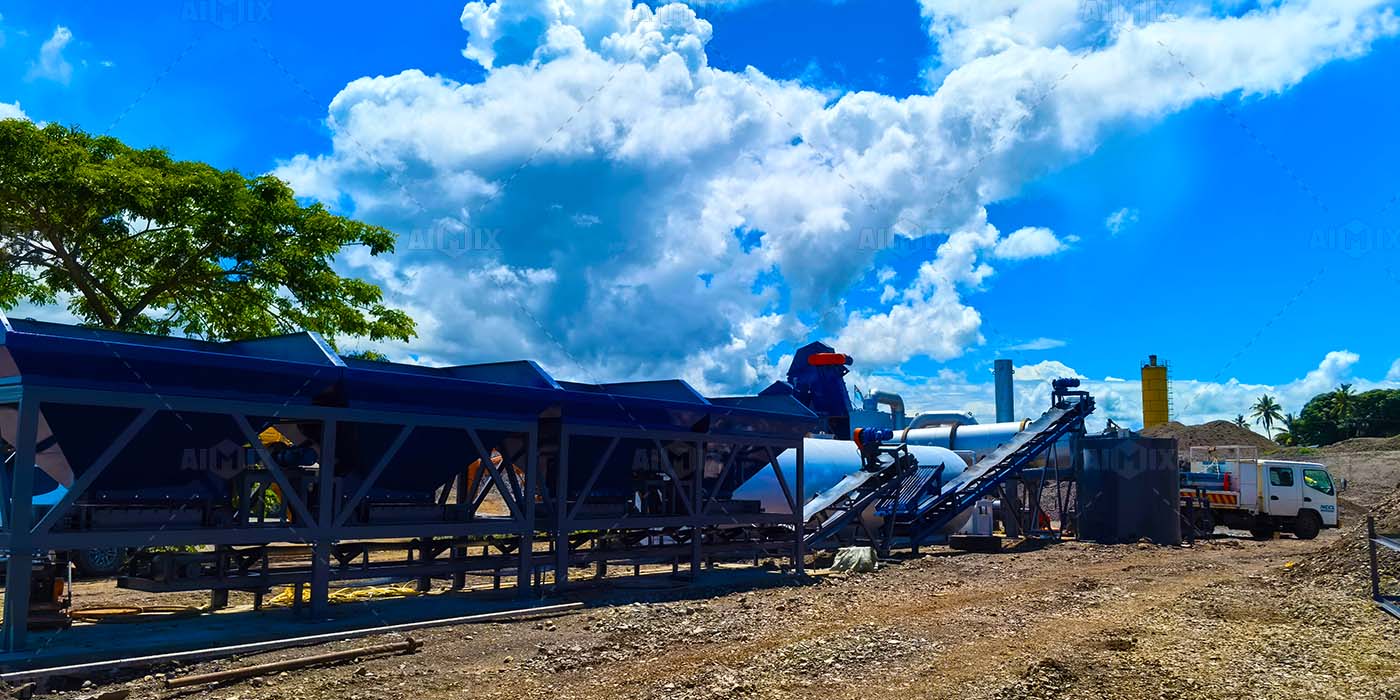
Stationary Vs Mobile Mini Asphalt Plants
Choosing the right plant type is not enough. You also need to consider whether the plant should be stationary or mobile.
This decision directly affects your project efficiency and long-term profitability.
Stationary Mini Asphalt Plant
A stationary plant stays in one location for a long time.
Advantages:
– Stable production
– Lower equipment cost
– Suitable for long-term projects
Best for:
– Large projects in one area
– Fixed asphalt supply operations
If your project lasts more than 12 months in one location, a stationary plant makes sense.
However, many African road projects do not stay in one place.
So, mobility becomes a key factor.
Mobile Mini Asphalt Plant
A mobile asphalt plant is mounted on a chassis. You can move it quickly between sites.
Advantages:
– Fast relocation (often within 1–3 days)
– Reduced dismantling cost
– Flexible project deployment
Best for:
– Multiple short-term projects
– Remote construction areas
– Contractors working across regions
For example, if you handle rural road projects in different provinces, a mobile plant saves both time and money.
Therefore, mobility often becomes the deciding factor in Africa.
Learn more about small portable asphalt plant options for improved mobility.
Next, let’s connect these choices with real project conditions.
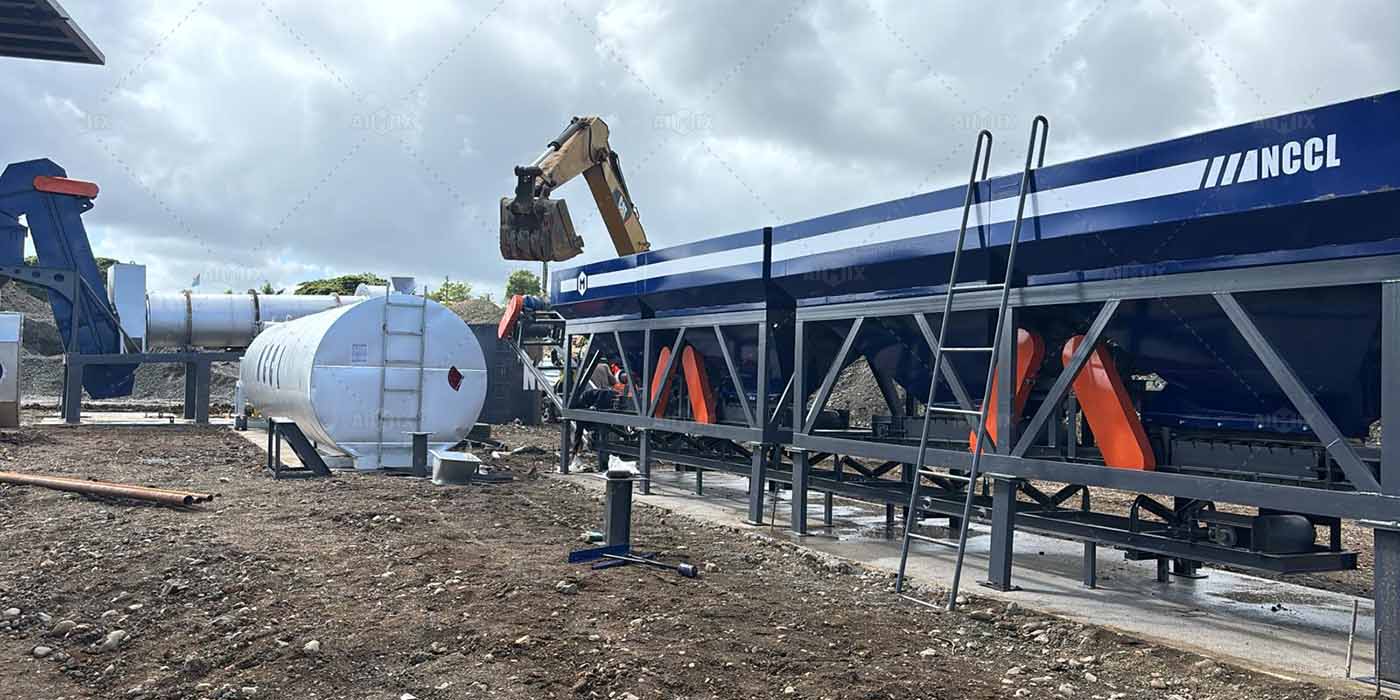
How To Choose Based On African Road Project Conditions
Now we move from equipment features to real-world decisions. The best plant is the one that fits your project conditions.
Here are key factors to consider.
Project Size And Duration
If your project requires less than 50,000 tons of asphalt, a 20–40 TPH mini plant is usually enough.
Short-term projects benefit more from mobile drum mix plants.
On the other hand, long-term highway projects may require a batch plant.
Road Quality Requirements
Different projects have different standards.
– Highways → choose batch plant
– Rural roads → drum mix plant works well
In many African countries, rural connectivity projects dominate. Therefore, drum mix plants often win in these scenarios.
Fuel Availability
Fuel cost varies across regions.
Drum mix plants usually consume less fuel per ton due to continuous operation.
If fuel supply is unstable, a simpler system reduces risk.
Transportation And Logistics
Remote areas often have poor road conditions.
A compact mobile plant is easier to transport.
This factor alone can significantly affect your project timeline.
Clearly, there is no single answer for every situation.
However, we can summarize typical recommendations.
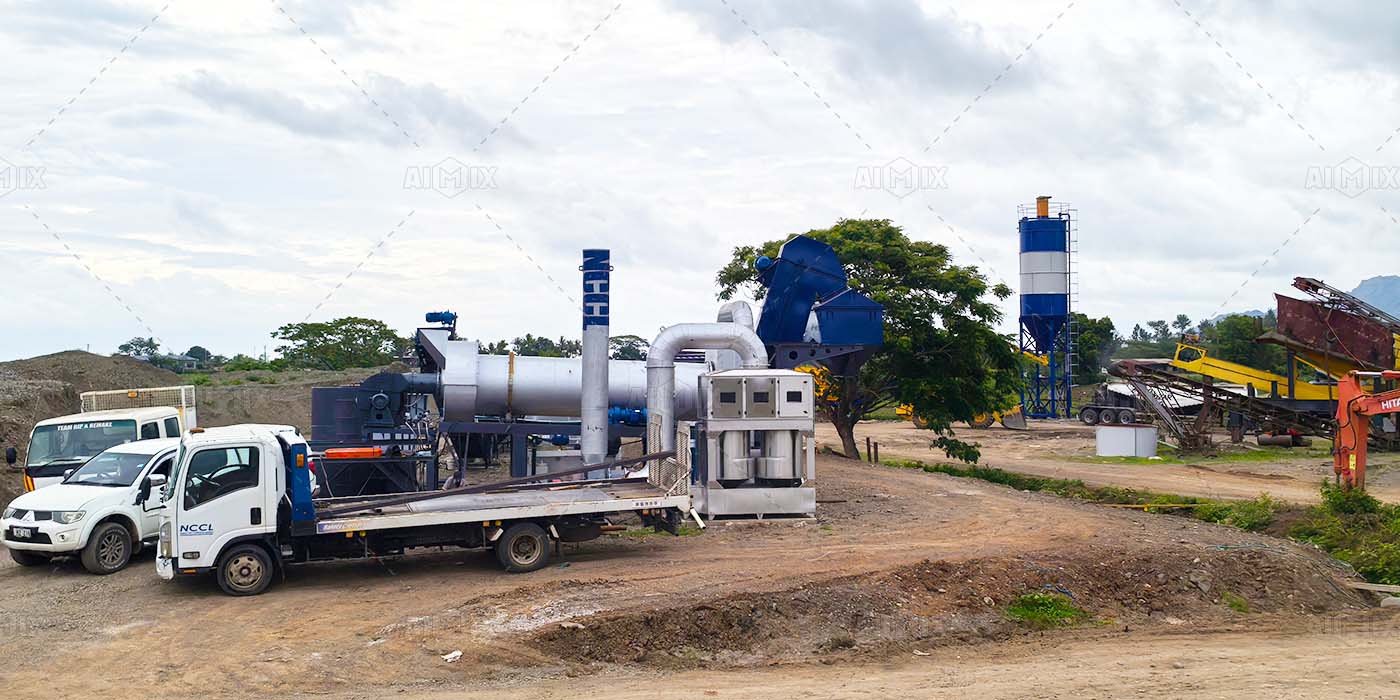
Recommended Configurations For Common Scenarios
Based on real project experience, here are practical suggestions.
Scenario 1: Rural Road Construction
– Recommended: Mobile drum mix plant (20–40 TPH)
– Reason: Low cost, easy relocation, simple operation
Scenario 2: Urban Road Maintenance
– Recommended: Mini batch plant (40–60 TPH)
– Reason: Better mix quality and flexibility
Scenario 3: Multi-Region Contractor Projects
– Recommended: Mobile batch plant or mobile drum plant
– Reason: Frequent relocation requires flexibility
Scenario 4: Long-Term Highway Project
– Recommended: Stationary batch plant
– Reason: Stable output and strict quality control
Cost Vs Return: What Should You Focus On?
Many buyers focus only on initial price. However, this approach can be misleading.
You should evaluate total project cost instead.
Consider these factors:
– Equipment cost
– Fuel consumption
– Labor requirements
– Maintenance cost
– Transportation expenses
For example, a cheaper plant may consume more fuel. Over time, this increases your total cost.
Similarly, a mobile plant may cost more upfront. However, it saves relocation expenses across projects.
Therefore, always calculate long-term return on investment.
This approach helps you avoid costly mistakes.
Final Thoughts: Choose The Plant That Fits Your Reality
So, which mini asphalt plant type is best for Africa road projects?
The answer is clear: it depends on your project conditions.
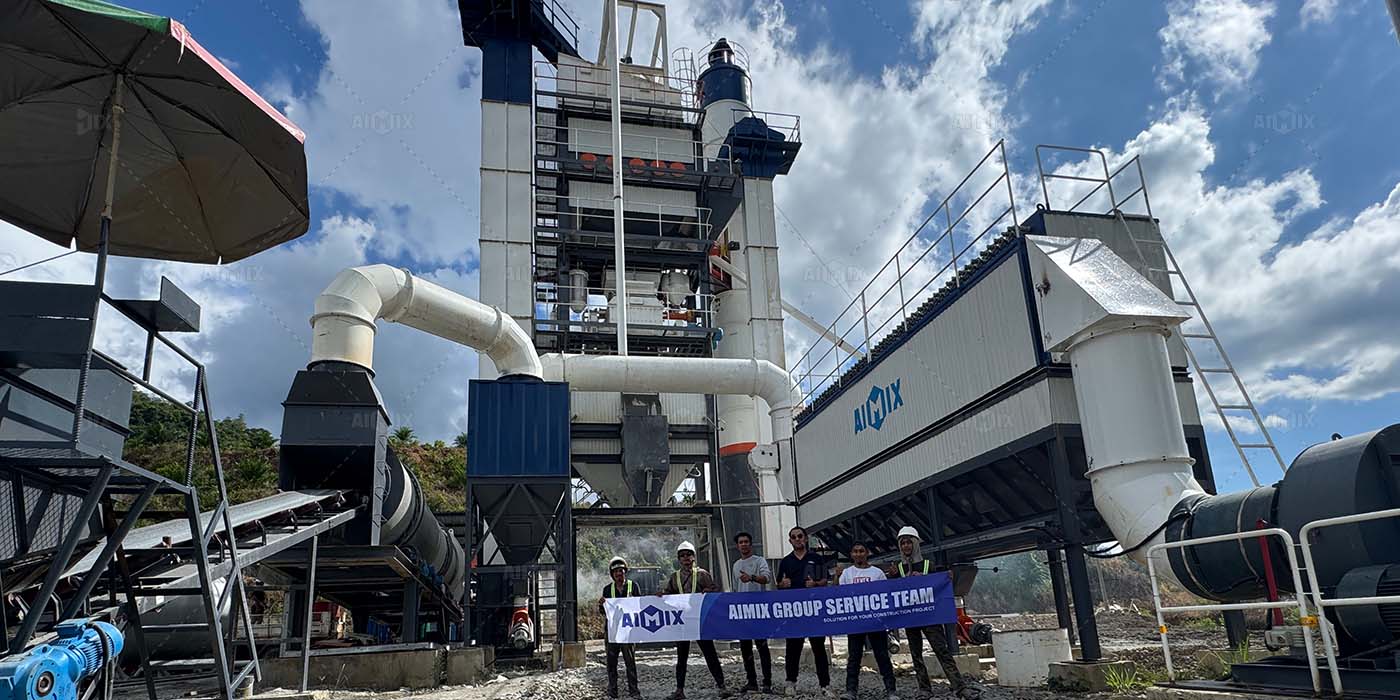
If you prioritize cost and simplicity, choose a drum mix plant. If you need quality and flexibility, go for a batch plant. If your projects move frequently, a mobile design becomes essential.
In reality, most contractors in Africa prefer mobile drum mix plants for rural and regional road projects. They offer the best balance between cost, mobility, and performance.
However, every project is different. A smart decision starts with understanding your own needs.
Get The Right Solution For Your Next Project
Choosing the right mini asphalt plant is not just about equipment. It is about improving your project efficiency, reducing costs, and winning more contracts.
If you are planning a road project in Africa, now is the time to evaluate your options carefully. Share your project details, including capacity, location, and timeline. A tailored solution will always deliver better results.
Contact us today to get a customized mini asphalt plant recommendation that fits your exact project needs. Let’s help you build roads more efficiently and grow your business with confidence.