Kenya’s construction industry has been developing rapidly in recent years, driven by rural infrastructure construction, urban renewal, and small-scale commercial projects, creating a huge demand for efficient and compact concrete equipment. Mini concrete pump with mixer, which integrates mixing and pumping functions, has become a popular choice for local small and medium-sized construction teams, thanks to its flexibility and cost-effectiveness. As a result, more and more concrete pumps suppliers are focusing on the Kenyan market, providing portable concrete pump for sale and mini concrete pumps for sale, including the widely needed mini concrete pump with mixer. Shipping such equipment from global or regional concrete pumps suppliers to Kenya involves a series of systematic operations, including logistics mode selection, packaging and preparation, customs clearance, and inland transportation, which are closely related to Kenya’s local policies, transportation conditions, and market needs. This article explores in detail the specific process and key links of how concrete pumps suppliers ship mini concrete pump with mixer to Kenya, integrates all specified key phrases, and reveals the practical strategies adopted by suppliers to ensure safe and efficient delivery.
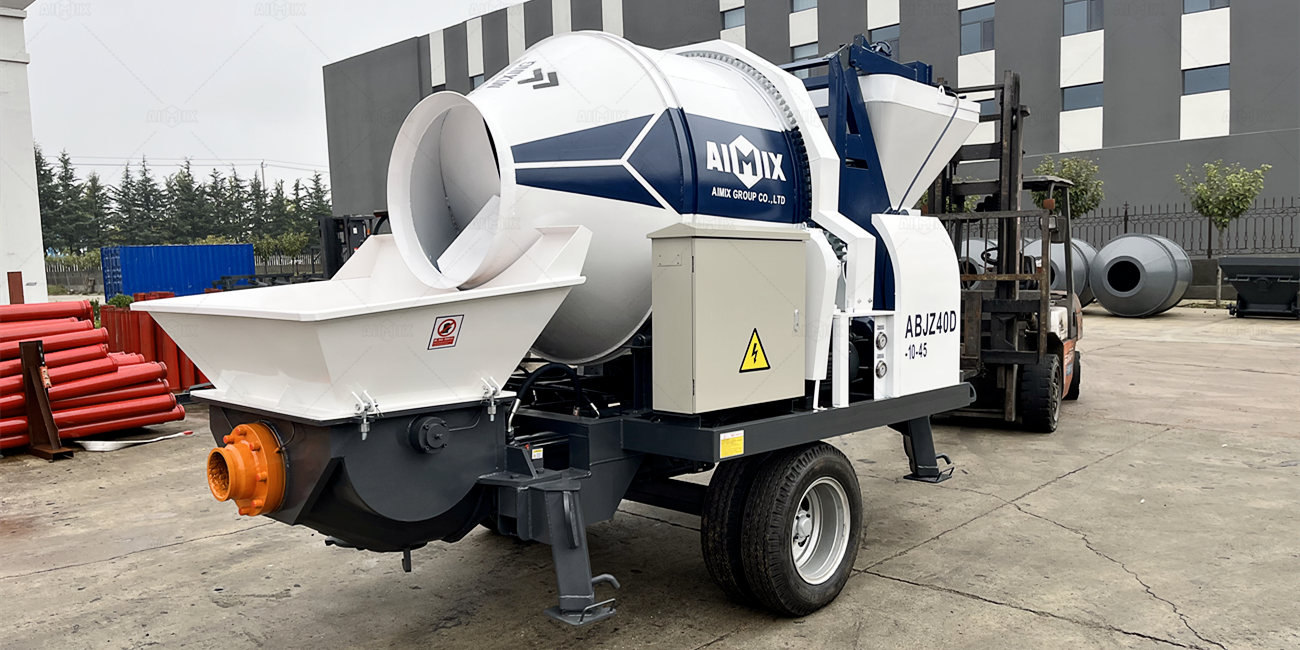
Pre-Shipping Preparation: Product Customization and Documentation by Concrete Pumps Suppliers
Before shipping mini concrete pump with mixer to Kenya, concrete pumps suppliers need to complete two core pre-shipping preparations: product customization according to Kenyan market needs and documentation sorting in line with local import policies, which lay the foundation for smooth shipping. Firstly, in terms of product customization, since Kenya’s construction projects are mostly small-scale (such as rural residential construction and road maintenance), and the power supply in remote areas is unstable, concrete pumps suppliers will adjust the specifications of mini concrete pump with mixer when providing portable concrete pump for sale and mini concrete pumps for sale to Kenya. For example, most suppliers will equip the mini concrete pump with mixer with diesel engines to ensure independent operation without relying on grid power, and design detachable components to reduce volume and weight, facilitating subsequent transportation. In addition, considering Kenya’s relatively underdeveloped transportation infrastructure, suppliers will also strengthen the wear resistance of the equipment’s core components (such as mixing drums and pumping pipelines) to adapt to harsh transportation and construction conditions, which is also a key selling point for mini concrete pumps for sale in the Kenyan market. Secondly, in terms of documentation preparation, concrete pumps suppliers must strictly comply with Kenya’s import regulations, including the East African Customs Management Act and the Customs and Excise Act. The necessary documents usually include commercial invoices, packing lists, bills of lading, certificate of origin, and product conformity certificates (such as KEBS PVOC certification, which is required by Kenya Standards Bureau to ensure product quality and safety). Suppliers need to ensure that all documents are complete and accurate, especially the product description and value declaration, to avoid customs detention and delay. Many experienced concrete pumps suppliers, such as China’s Hunan Runcheng Machinery, which has long supplied equipment to Kenya, will assign special personnel to sort out documents and verify them with Kenyan customs in advance, ensuring that the pre-shipping preparation is in line with local requirements.
Logistics Mode Selection: The Core Link for Suppliers to Ship to Kenya
The selection of logistics mode is the core link for concrete pumps suppliers to ship mini concrete pump with mixer to Kenya, and suppliers usually choose the most suitable mode according to the order quantity, delivery time, and cost budget, with sea transportation and air transportation being the two main options. Sea transportation is the most commonly used mode for concrete pumps suppliers, especially for large-batch orders of mini concrete pump with mixer, portable concrete pump for sale, and mini concrete pumps for sale. Kenya has two major ports: Mombasa Port (the largest seaport in East Africa) and Lamu Port, among which Mombasa Port is the main entry point for imported concrete equipment. Suppliers usually transport the equipment from their own warehouses to nearby seaports (such as Shanghai Port in China, Rotterdam Port in Europe) by land transportation first, then load them into containers for sea transportation to Mombasa Port. The advantage of sea transportation is low cost—suitable for large-batch shipments, and the transportation cost per unit of mini concrete pump with mixer is 50%-70% lower than that of air transportation. However, the transportation time is longer, usually 20-35 days, depending on the departure port and shipping route. For example, concrete pumps suppliers in China usually take 25-30 days to ship mini concrete pump with mixer to Mombasa Port by sea. Air transportation is mainly used for small-batch urgent orders, such as when Kenyan construction teams need mini concrete pump with mixer urgently for emergency projects. Suppliers will transport the equipment to Nairobi’s Jomo Kenyatta International Airport by air, with a transportation time of only 2-5 days. However, the cost is extremely high—usually 6-10 times that of sea transportation, so it is only used in special cases. In addition, with the opening of direct flights between Changsha and Nairobi, some concrete pumps suppliers have begun to use air transportation for small-batch high-value mini concrete pump with mixer, shortening the transportation time and improving efficiency. For regional concrete pumps suppliers (such as those in South Africa), road transportation may also be an option for small-batch shipments, but it is limited by border crossing procedures and road conditions.
Packaging and Loading: Ensuring Safe Transportation of Mini Concrete Pump with Mixer
Mini concrete pump with mixer is a precision mechanical equipment, with core components such as mixing systems, hydraulic systems, and electrical control modules that are easily damaged during transportation. Therefore, concrete pumps suppliers attach great importance to packaging and loading to ensure the equipment is intact when arriving in Kenya. When preparing portable concrete pump for sale and mini concrete pumps for sale, including mini concrete pump with mixer, suppliers usually adopt two-layer packaging: the inner layer uses foam and plastic film to wrap the equipment tightly, preventing moisture, dust, and collision; the outer layer uses high-strength wooden boxes or steel frames to fix the equipment, enhancing the compression resistance and impact resistance of the packaging. For detachable mini concrete pump with mixer, suppliers will disassemble the components (such as mixing hoppers, pumping pipelines, and control panels) first, package them separately, and mark the corresponding installation numbers to facilitate subsequent assembly by Kenyan purchasers. During loading, suppliers will use cranes or forklifts to place the packaged equipment into containers or transport vehicles, and use steel wires, wooden blocks, and other materials to fix it firmly, avoiding displacement and collision during transportation. In addition, suppliers will also place shock-absorbing pads between the equipment and the packaging box to reduce vibration damage during sea or air transportation. For example, concrete pumps suppliers like Qingdao Konile Heavy Industry, which exports equipment to many African countries including Kenya, have established strict packaging standards for mini concrete pump with mixer, ensuring that the damage rate during transportation is controlled below 2%. This careful packaging not only protects the equipment but also helps smooth customs inspection, as intact packaging can reduce the probability of customs unpacking and damage.
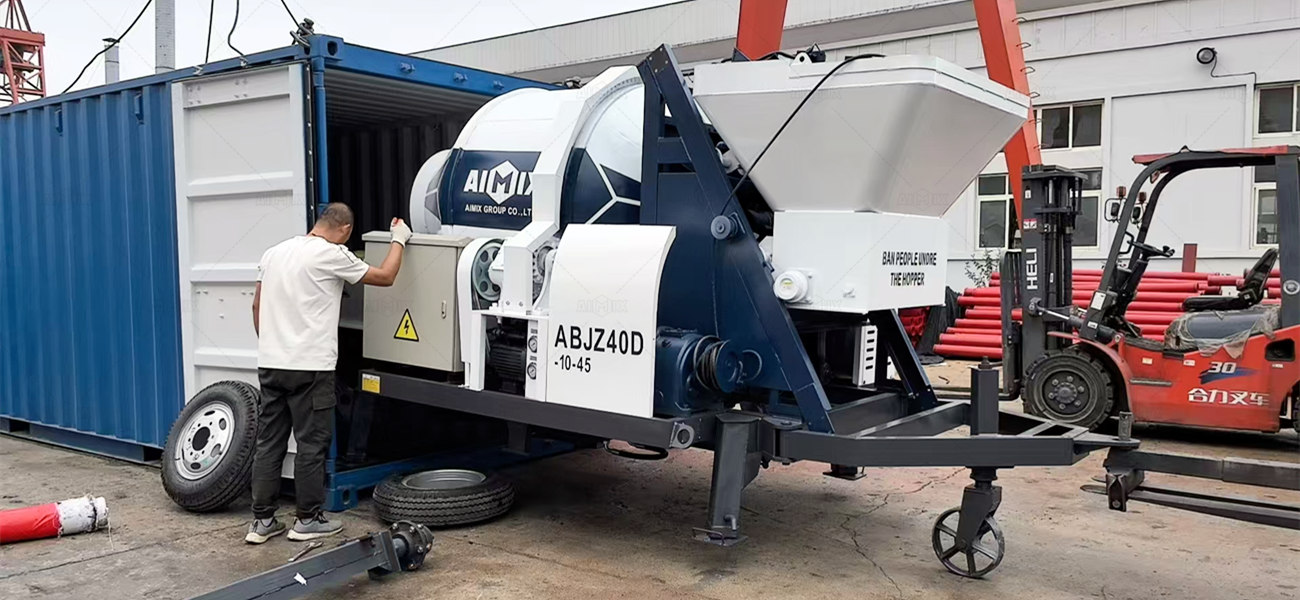
Customs Clearance: Complying with Kenyan Policies to Avoid Delays
Customs clearance is a key link that affects the shipping efficiency of mini concrete pump with mixer from concrete pumps suppliers to Kenya, and suppliers must strictly comply with Kenyan customs policies to avoid detention and additional costs. Kenya implements a Common External Tariff (CET) as a member of the East African Community, with a three-band tariff system for imported goods: 0% for raw materials and capital goods, 10% for semi-processed goods, and 25% for finished goods. Mini concrete pump with mixer is classified as a finished mechanical product, so it is subject to a 25% import tariff. In addition, Kenya also levies value-added tax on imported goods, which needs to be paid by the purchaser or borne by the supplier according to the trade terms. To ensure smooth customs clearance, concrete pumps suppliers will cooperate closely with local Kenyan customs brokers, who are familiar with local customs regulations and can help sort out documents, declare goods, and pay tariffs and other fees. Suppliers will provide complete documents (including commercial invoices, packing lists, and PVOC certificates) to customs brokers in advance, ensuring that the declared information is consistent with the actual goods. In addition, suppliers will also clearly mark the product name, model, quantity, and value on the packaging of mini concrete pump with mixer, facilitating customs inspection. It should be noted that Kenya has strict import restrictions on some mechanical equipment, and mini concrete pump with mixer must meet the environmental and safety standards specified in the Standards Act to pass customs inspection. Some experienced concrete pumps suppliers, such as Hunan Runcheng Machinery, will also invite Kenyan purchasers to inspect the goods before shipping, ensuring that the product specifications and quality meet local requirements and avoiding customs clearance failures due to non-compliance.
Inland Transportation: Delivering from Ports to Kenyan Purchasers
After the mini concrete pump with mixer arrives at Mombasa Port or other Kenyan ports and completes customs clearance, concrete pumps suppliers need to arrange inland transportation to deliver the equipment to the purchasers’ designated locations (such as construction sites or warehouses), which is the final link of the shipping process. Kenya’s inland transportation infrastructure is relatively underdeveloped, with paved roads mainly concentrated in urban areas, and rural areas mostly covered by unpaved roads, which brings certain challenges to inland transportation. To solve this problem, concrete pumps suppliers usually cooperate with local Kenyan logistics companies that are familiar with local road conditions. For urban purchasers (such as those in Nairobi, Mombasa), suppliers will arrange medium-sized flatbed trucks to transport the mini concrete pump with mixer directly to the designated location, with a transportation time of 1-3 days. For rural purchasers (such as those in Kaduna or Kano), suppliers will choose off-road vehicles or modified flatbed trucks that can adapt to unpaved roads, and may also disassemble the equipment again to reduce weight and volume, facilitating transportation through narrow rural roads. In addition, suppliers will also arrange professional technicians to accompany the transportation if necessary, to handle possible equipment damage or malfunctions during inland transportation. For example, when transporting mini concrete pump with mixer to remote rural construction sites, suppliers will check the road conditions in advance, avoid areas with severe potholes or floods, and adjust the transportation route in time to ensure on-time delivery. Some concrete pumps suppliers also provide door-to-door delivery services for portable concrete pump for sale and mini concrete pumps for sale in Kenya, integrating sea transportation, customs clearance, and inland transportation into a one-stop service, which is favored by local purchasers. This one-stop service not only saves purchasers’ time and energy but also reduces the risk of equipment damage during the handover process.
Post-Shipping Support: Ensuring Equipment Usability for Kenyan Purchasers
For concrete pumps suppliers, shipping mini concrete pump with mixer to Kenya does not end with the delivery of the equipment; post-shipping support is also an important part of the service, which helps improve customer satisfaction and expand the Kenyan market. After the equipment arrives at the purchaser’s location, suppliers will send professional technicians to assist in unpacking, assembling, and debugging the mini concrete pump with mixer, ensuring that the equipment can operate normally. For example, Hunan Runcheng Machinery, which has deep experience in the Kenyan market, sends technicians to Kenya to provide on-site guidance for purchasers, teaching them how to operate the equipment, maintain it, and handle common faults, which has won widespread recognition from local customers. In addition, suppliers will also provide spare parts support—preparing common spare parts (such as wear-resistant liners, hydraulic seals, and electrical components) for mini concrete pump with mixer and transporting them to Kenya in advance, or arranging for timely delivery of spare parts when purchasers need them. This is particularly important for Kenyan purchasers, as the local supply of spare parts for concrete equipment is limited, and delayed spare parts delivery may affect construction progress. Suppliers also provide after-sales maintenance services, either through local cooperative maintenance points or by sending technicians to Kenya for on-site maintenance, ensuring that purchasers can get timely support when the equipment fails. These post-shipping support measures not only reflect the professionalism of concrete pumps suppliers but also help promote the sales of portable concrete pump for sale and mini concrete pumps for sale in the Kenyan market, establishing long-term cooperative relationships with local purchasers.
In conclusion, shipping mini concrete pump with mixer to Kenya by concrete pumps suppliers is a systematic process involving pre-shipping preparation, logistics mode selection, packaging and loading, customs clearance, inland transportation, and post-shipping support. Suppliers need to fully consider Kenya’s local policies, transportation conditions, and market needs, flexibly adjust their shipping strategies, and strictly comply with relevant regulations to ensure safe, efficient, and timely delivery. By providing high-quality mini concrete pump with mixer, portable concrete pump for sale, and mini concrete pumps for sale, as well as professional shipping and after-sales services, concrete pumps suppliers can better meet the demand of Kenya’s construction industry and achieve mutual benefit and win-win results with local purchasers. As Kenya’s construction industry continues to develop, the shipping process will become more optimized, and concrete pumps suppliers will play an increasingly important role in promoting the development of Kenya’s concrete equipment market.