Expanding a regional construction footprint to target a blend of high-volume municipal highways and remote pavement maintenance requires a highly adaptable equipment strategy. When evaluating equipment listed as an asphalt plant for sale, an infrastructure firm’s engineering team faces a critical operational choice. They must balance the high-volume, multi-stage screening precision of heavy-duty stationary asphalt plants against the rapid deployment capabilities of a modern mobile asphalt plant. Partnering with reputable global asphalt plant suppliers allows technical directors to analyze the thermodynamic, mechanical, and financial trade-offs of each setup, ensuring the chosen fleet architecture aligns with project timelines and strict regional material compliance.
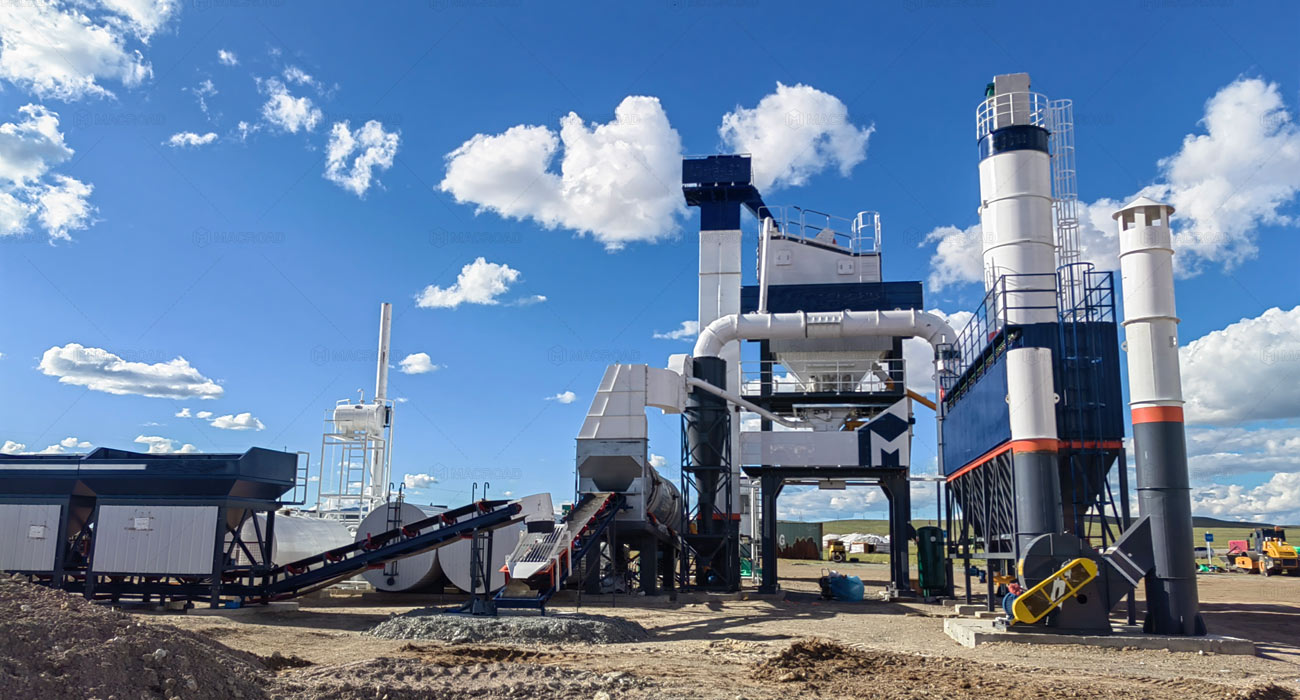
The Case for Stationary Installations: Maximizing Batch Quality and Output
For multi-year, large-scale municipal highway contracts located within a centralized geographic radius, permanent infrastructure provides uncompromised structural stability and unmatched production volume. Heavy-duty stationary asphalt plants utilize vertical batching towers anchored to deep concrete foundations, allowing them to support massive multi-deck vibrating screens and extended aggregate storage silos. This structural capacity ensures that the facility can process thousands of tons of hot mix daily without mechanical fatigue, making it the ideal choice for high-density urban infrastructure development.
From an engineering perspective, the primary advantage of a permanent batching facility is its separate batch-weighing dynamics and advanced aggregate classification. Heated stone fractions are elevated into a multi-level screening deck that separates aggregates into precise sizes before they enter isolated hot bins. This vertical sequence completely eliminates aggregate carryover and mix segregation, which are common issues in simpler continuous configurations. For projects with strict volumetric compliance demands, such as airport runways or multi-lane expressways, the stationary batch tower guarantees perfect formula repeatability.
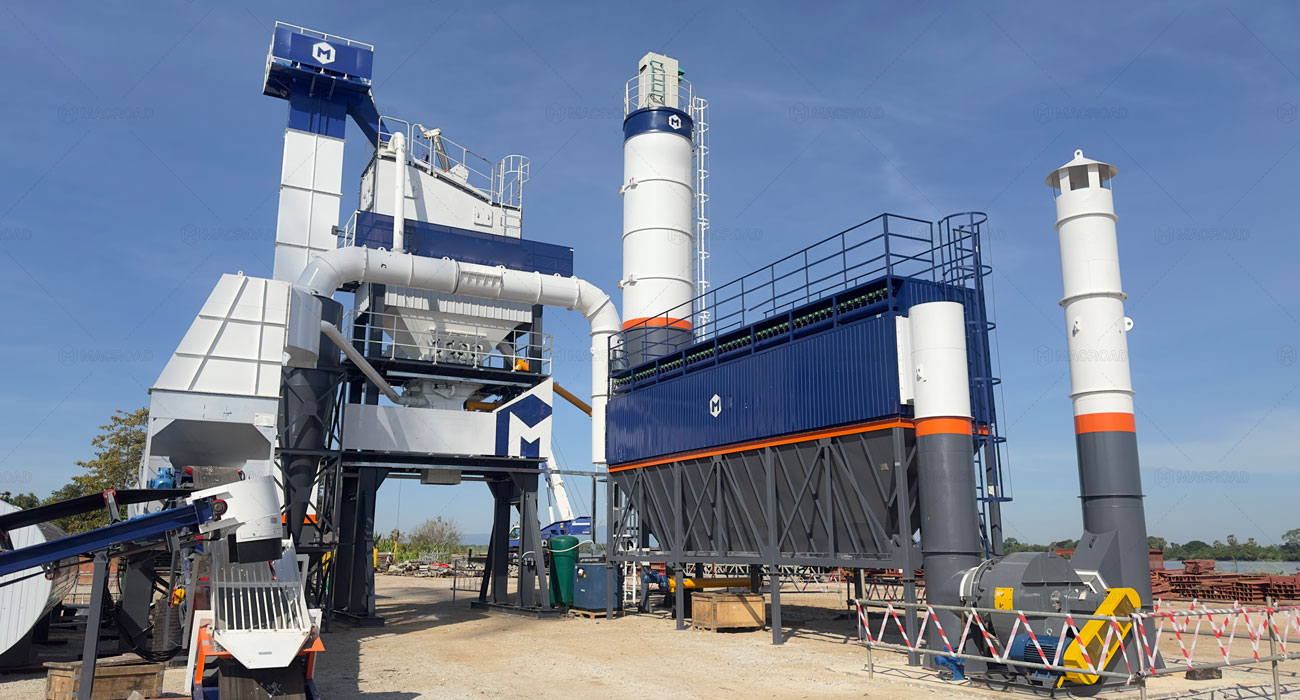
Furthermore, permanent installations allow for comprehensive environmental and thermal optimization systems that are difficult to replicate on a mobile chassis. Reputable asphalt plant suppliers outfit these facilities with oversized baghouse filtration systems and blue-smoke storage systems that keep emissions well below stringent municipal clean-air thresholds. The stable, automated burner management within a large drying drum also ensures optimal fuel burn rates, lowering per-ton energy overhead during long, continuous production runs. This long-term operational efficiency systematically reduces variable costs over a multi-year project lifecycle.
The Case for Mobile Mobilization: Agility and Rapid Site Re-Location
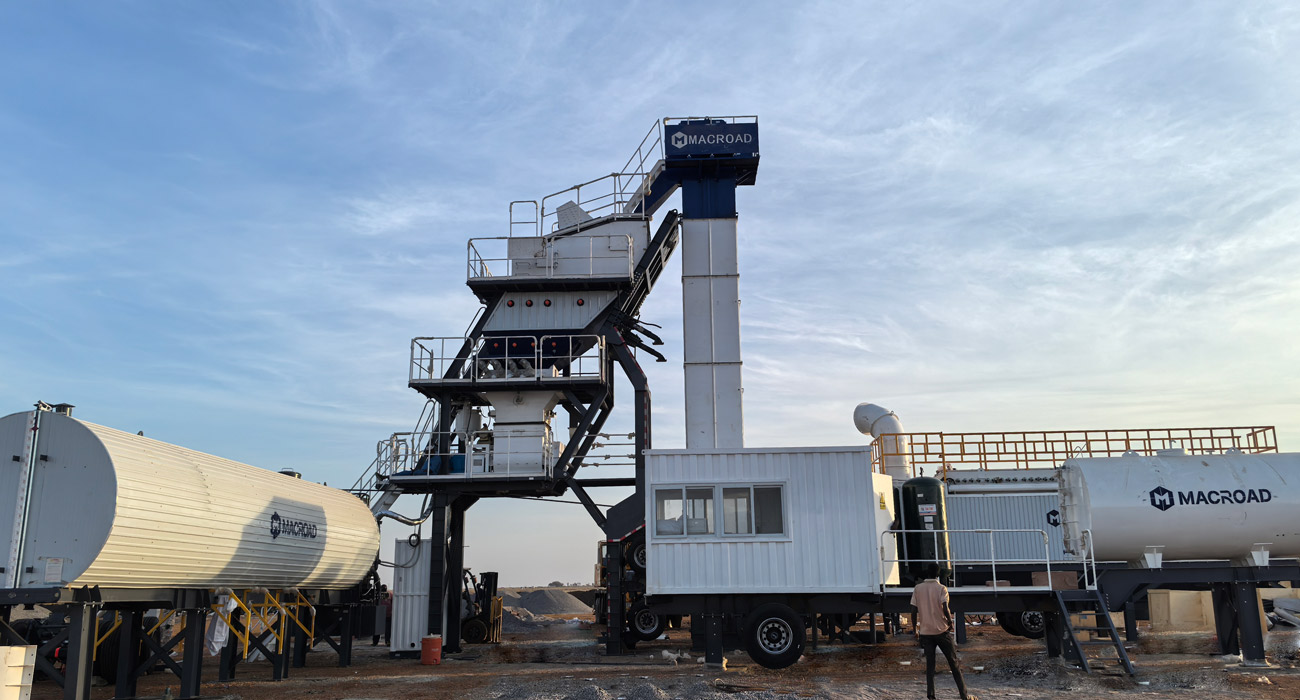
Conversely, bidding on short-term, remote paving projects or linear rural highway expansions requires a complete shift toward logistical agility. Deploying a modular mobile asphalt plant allows contractors to establish a localized production hub directly adjacent to the active paving zone, bypassing long haul distances. These compact setups feature wheel-mounted chassis configurations, integrated hydraulic leveling jacks, and quick-disconnect electrical harnesses that allow a small crew to dismantle, transport, and re-commission the entire plant within a single working shift.
Operating close to the job site eliminates the risk of thermal segregation and premature mix cooling during transit over rough terrain. When haul trucks must travel hours from a centralized stationary facility to a remote site, the asphalt binder often drops below critical compaction temperatures, leading to pavement voids and longitudinal cracking. A highly transportable mobile unit ensures that fresh hot mix is discharged at peak operational temperatures directly into the placement equipment. This proximity optimizes the material delivery chain and protects the contractor from expensive pavement re-work penalties.
Specifically, modern mobile systems engineered by leading asphalt plant suppliers incorporate continuous drum-mixing technology to maximize mobility without sacrificing output. These plants utilize electronic belt scales and variable-frequency drive aggregate feeders to manage recipe consistency in real time. By injecting liquid bitumen directly into the longer drying drum barrel, the system achieves a uniform aggregate coating while maintaining a lightweight, single-trailer or dual-trailer transport footprint. For fast-moving countryside paving initiatives, this balance of mobility and reliable output provides an unassailable competitive advantage.
Financial Evaluation and Lifecycle Value Analysis
For strategic procurement directors, selecting the right asphalt plant for sale requires modeling total life-cycle costs and asset depreciation rates over a standard five-year operational horizon. Stationary configurations represent a significant upfront financial commitment due to high civil engineering costs, land acquisition, and permanent permitting fees. However, these facilities retain immense balance sheet value and carry a lower depreciation curve because their core structural components are completely shielded from the mechanical wear and tear of frequent highway transit.
On the other hand, a mobile asset optimizes short-term cash flow by drastically slashing site preparation expenses and eliminating the need for expensive high-capacity crane rentals during mobilization. Financial planners must analyze whether the operational flexibility of an agile, quick-setup drum mix system can generate a faster return on investment through rapid project completion and zero transit downtime. Additionally, branded mobile units from top-tier manufacturers command premium pricing on the secondary machinery market, offering high liquidity and an easy exit strategy once the targeted rural infrastructure contracts are successfully completed.
Conclusion: Strategic Fleet Integration Drives Capital Efficiency
Ultimately, optimizing a regional equipment fleet requires a balanced allocation of capital between permanent production hubs and agile mobile assets. While stationary asphalt plants provide the ultimate solution for high-volume, specification-heavy urban contracts, their extensive foundation requirements make them unviable for short-term remote projects. Conversely, a quick-setup mobile asphalt plant offers the operational independence needed to capture high-margin, short-notice regional tenders. By thoroughly analyzing every asphalt plant for sale based on localized project logistics, forward-thinking technical directors can build a resilient, multi-tiered fleet that maximizes operational uptime and secures superior long-term infrastructure returns.