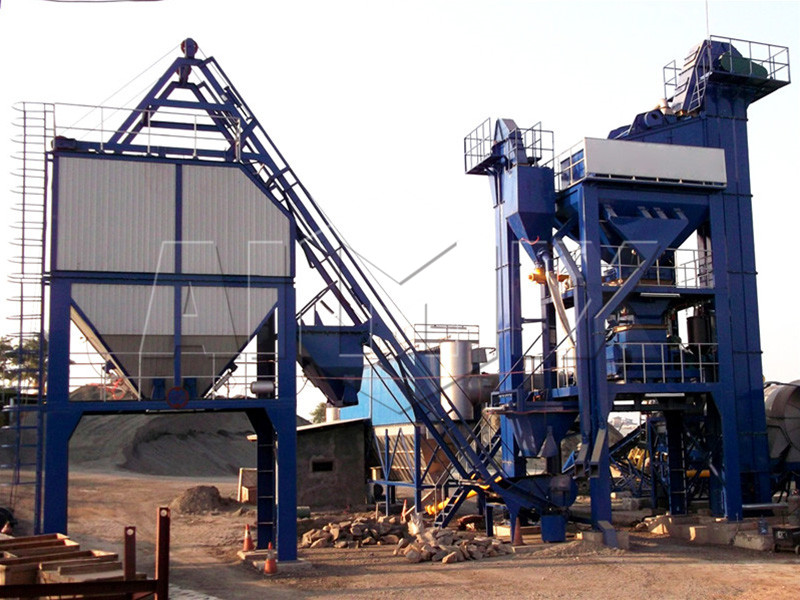
For road contractors and project owners in Ethiopia, choosing the right asphalt plant is a critical decision. A 2-year road reconstruction project requiring 150,000 tons of asphalt demands careful planning. The right amp asphalt mixing plant can optimize production, reduce costs, and ensure timely project completion. This article guides you through selecting the most suitable asphalt plant for your project.
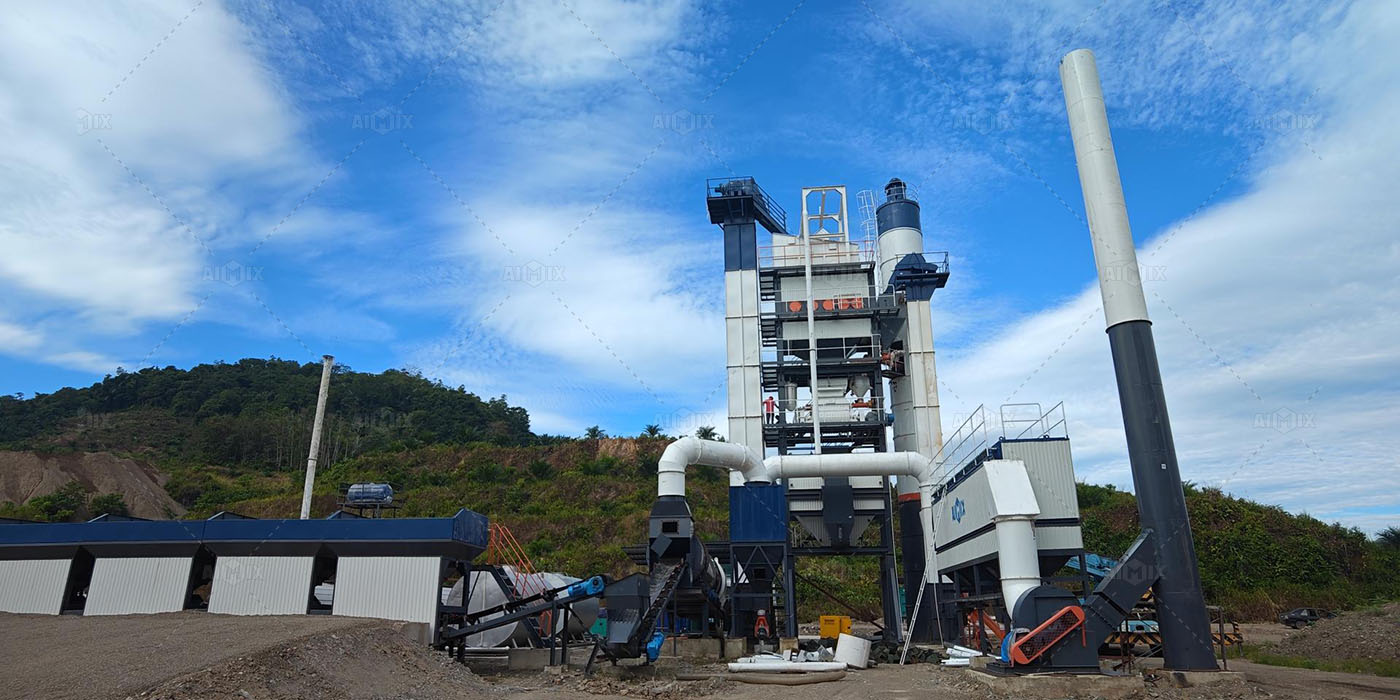
Understanding Project Requirements
Before selecting an asphalt plant, it is important to clearly define your project requirements. For a 2-year road reconstruction project needing 150,000 tons of asphalt, you must consider production capacity, project schedule, and site logistics. Estimating your daily or monthly asphalt needs helps in deciding the appropriate plant model. Additionally, factors such as labor availability, fuel supply, and local road conditions play a role in plant selection.
Understanding your project needs forms the foundation of selecting an asphalt hot mix plant. Without a precise understanding, you risk delays, high costs, or underutilized equipment.
Calculating Required Production Capacity
For a project requiring 150,000 tons over 24 months, the average monthly production requirement is approximately 6,250 tons. Breaking this down further, assuming 22 working days per month, the daily requirement becomes roughly 284 tons. This calculation helps contractors select an asphalt plant that can consistently meet production without overloading the system.
Assessing Site Conditions and Logistics
Site conditions in Ethiopia may vary from urban to rural environments. Access to water, electricity, and transport routes influences plant type selection. Mobile or semi-mobile asphalt plants might be preferable for remote areas with limited infrastructure, while stationary batch plants suit central locations near raw material sources.
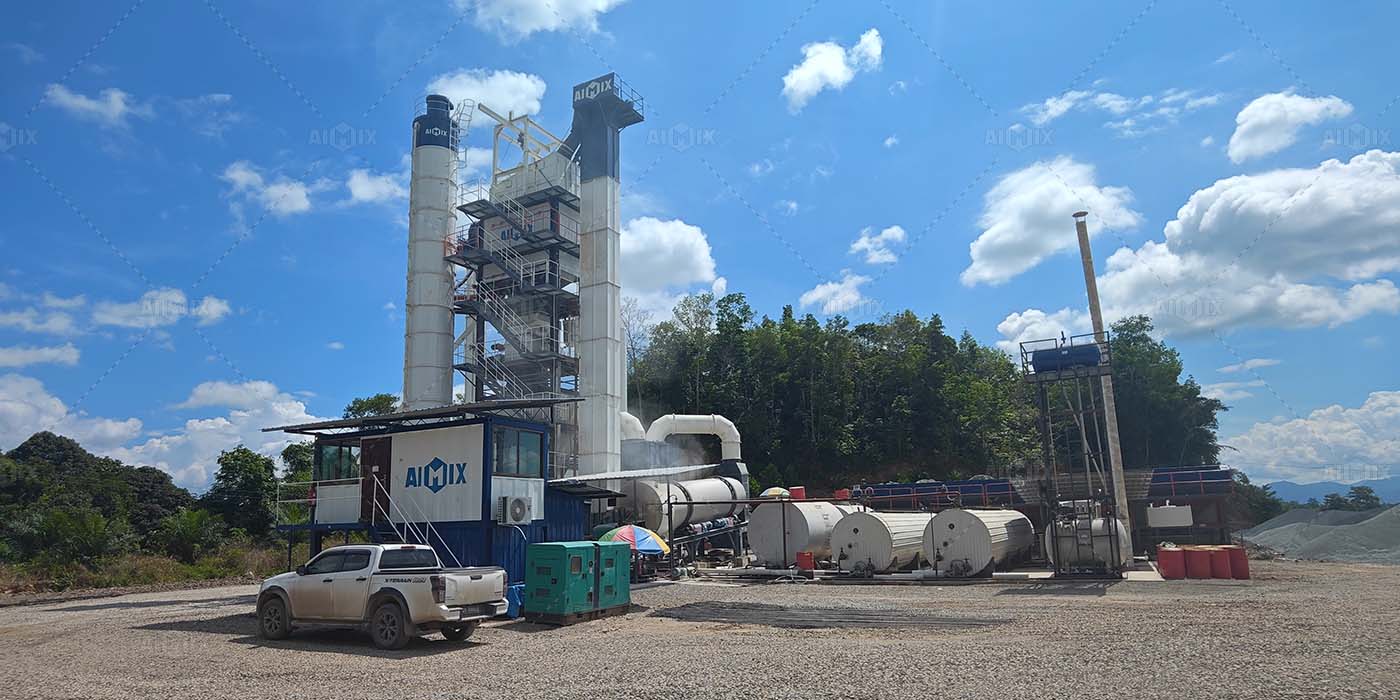
Types Of Asphalt Plants
Once project requirements are defined, understanding the different types of asphalt plants is crucial. Each type has specific advantages that suit different project sizes and durations.
Batch Asphalt Plants
Batch asphalt plants produce asphalt in separate batches, allowing precise control of mix quality. They are ideal for projects demanding consistent asphalt properties. For a 2-year project with 150,000 tons, a batch plant ensures that every batch meets quality standards. Moreover, batch plants can handle a variety of asphalt mix designs, making them versatile for different road layers.
Drum Continuous Asphalt Plants
Continuous drum plants are designed for high-volume production and operate continuously. They are more energy-efficient for large projects but offer less flexibility in mix design. For Ethiopia’s 2-year road reconstruction project, a drum plant may suit sections with consistent asphalt requirements. However, the inability to easily switch mix types could limit its usefulness in areas needing specialized mixes.
Production Capacity Matching
Matching the plant’s capacity with project demands ensures efficiency and cost-effectiveness. Overestimating capacity leads to unnecessary capital investment, while underestimating causes delays.
Choosing the Right Batch Plant Capacity
Based on our earlier calculation, a plant capable of producing 200–300 tons per day aligns with daily requirements. For example, a 200 TPH (tons per hour) asphalt mixing and batching plant can meet peak demands while providing some buffer for maintenance and downtime. Additionally, this size keeps energy and labor costs manageable, making it suitable for Ethiopian contractors with budget constraints.
Considering Drum Plant Capacity
If opting for a drum continuous plant, ensure it can sustain at least 250–300 tons per day. Continuous plants are advantageous for long stretches of road needing the same asphalt type. Yet, for variable mixes, this type may require additional equipment or blending systems.
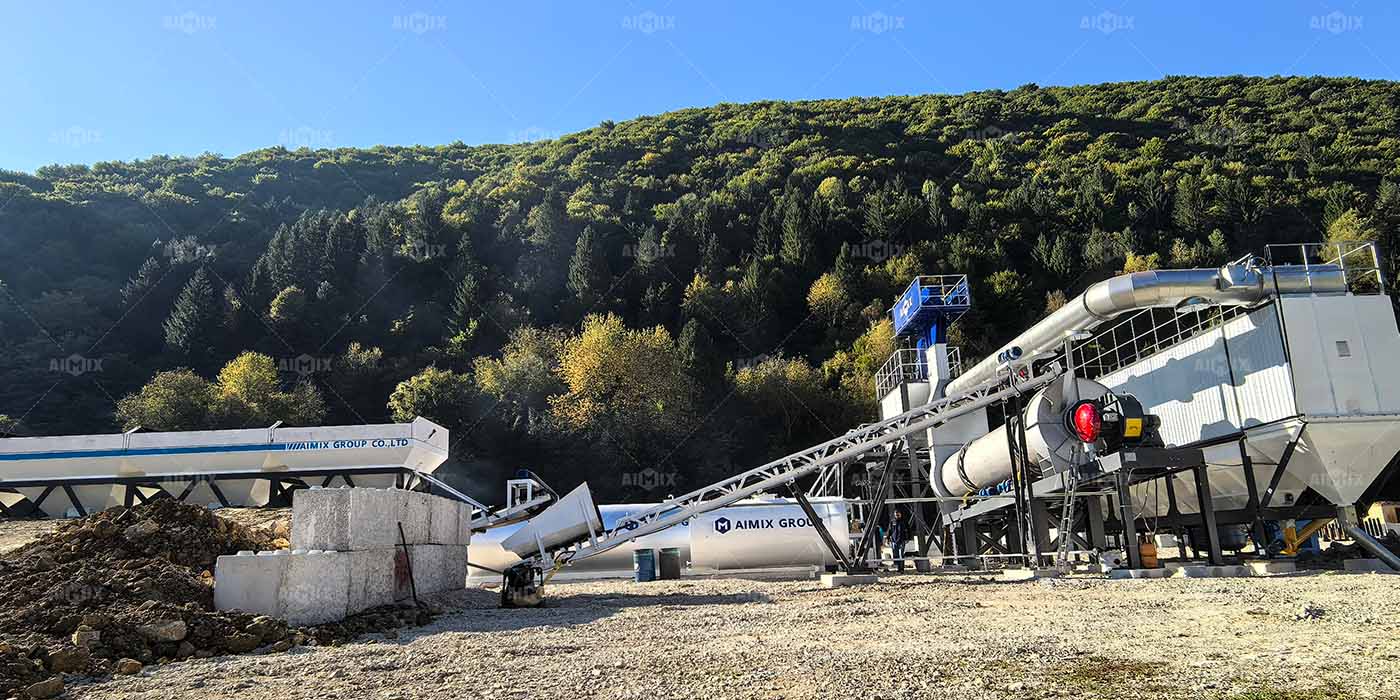
Fuel Type And Energy Efficiency
Fuel costs are significant in asphalt production. Choosing a plant with high energy efficiency can save substantial money over two years. Modern asphalt plants in Ethiopia often use diesel, heavy oil, or natural gas. Evaluating local fuel availability and cost is critical before selecting a plant. Additionally, some plants incorporate waste heat recovery systems, which further reduce energy consumption.
Impact On Project Budget
Energy-efficient plants reduce operational costs. For a 150,000-ton project, even a small percentage of fuel savings translates to significant financial benefits. Contractors should calculate expected fuel consumption and compare options to ensure the chosen plant aligns with budgetary constraints.
Mobility And Installation
Depending on project layout and accessibility, the mobility of the asphalt plant may be decisive. Ethiopia’s road reconstruction often includes urban, peri-urban, and rural sections. Plants that can be relocated or set up quickly reduce downtime and improve overall project efficiency.
Stationary Vs. Mobile Plants
Stationary asphalt plants require more initial setup but are ideal for central locations near raw material sources. Mobile asphalt mix plants provide flexibility, especially for remote sections where transporting asphalt from a stationary plant may increase costs and risk quality degradation. For this 2-year project, a semi-mobile batch plant could offer a balance between stability and flexibility.
Environmental Considerations
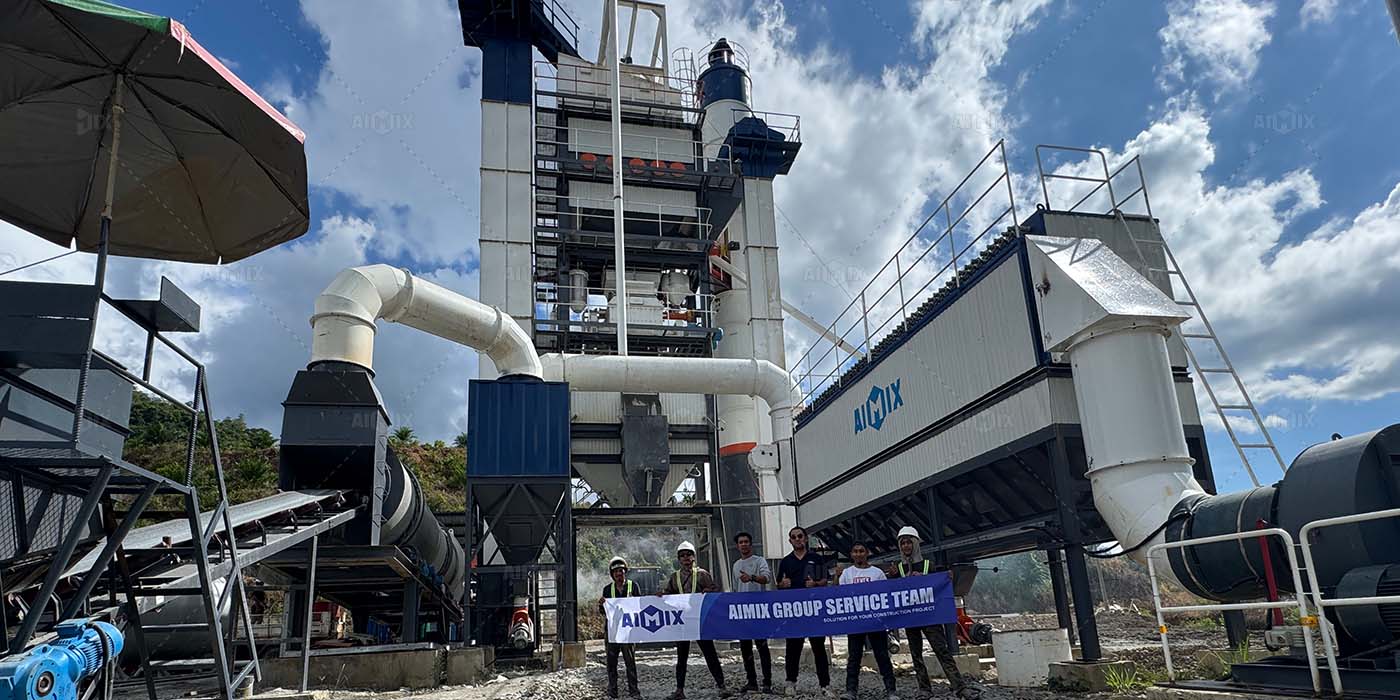
Modern projects prioritize sustainability. Selecting asphalt plants with advanced dust collection, noise reduction, and emission control systems is essential. Ethiopia enforces environmental standards for construction projects, and compliance avoids fines or delays.
Emission Control And Dust Collection
Plants equipped with bag filters or electrostatic precipitators effectively reduce dust emissions. This feature is particularly important in urban areas and sensitive environments. Choosing a plant with these systems demonstrates corporate responsibility and adherence to local regulations.
Noise Reduction Measures
Road construction sites often operate near communities. Plants with soundproofing and noise-reducing components minimize disruptions. This factor can influence permit approvals and community acceptance, ensuring smoother project execution.
Cost Analysis And ROI
Investment in an asphalt plant is significant. Contractors should evaluate both upfront cost and operational efficiency. Batch plants typically cost more initially but provide better quality control. Continuous plants may offer lower capital cost but could increase fuel consumption and limit mix flexibility.
Balancing Investment With Project Needs
For a project needing 150,000 tons, calculating cost per ton produced helps determine ROI. Consider maintenance, fuel, labor, and downtime. Selecting a plant that balances production efficiency with capital and operational costs ensures the project stays within budget while maintaining high-quality asphalt output.
Recommended Asphalt Plant For Ethiopia’s 2-Year Road Reconstruction
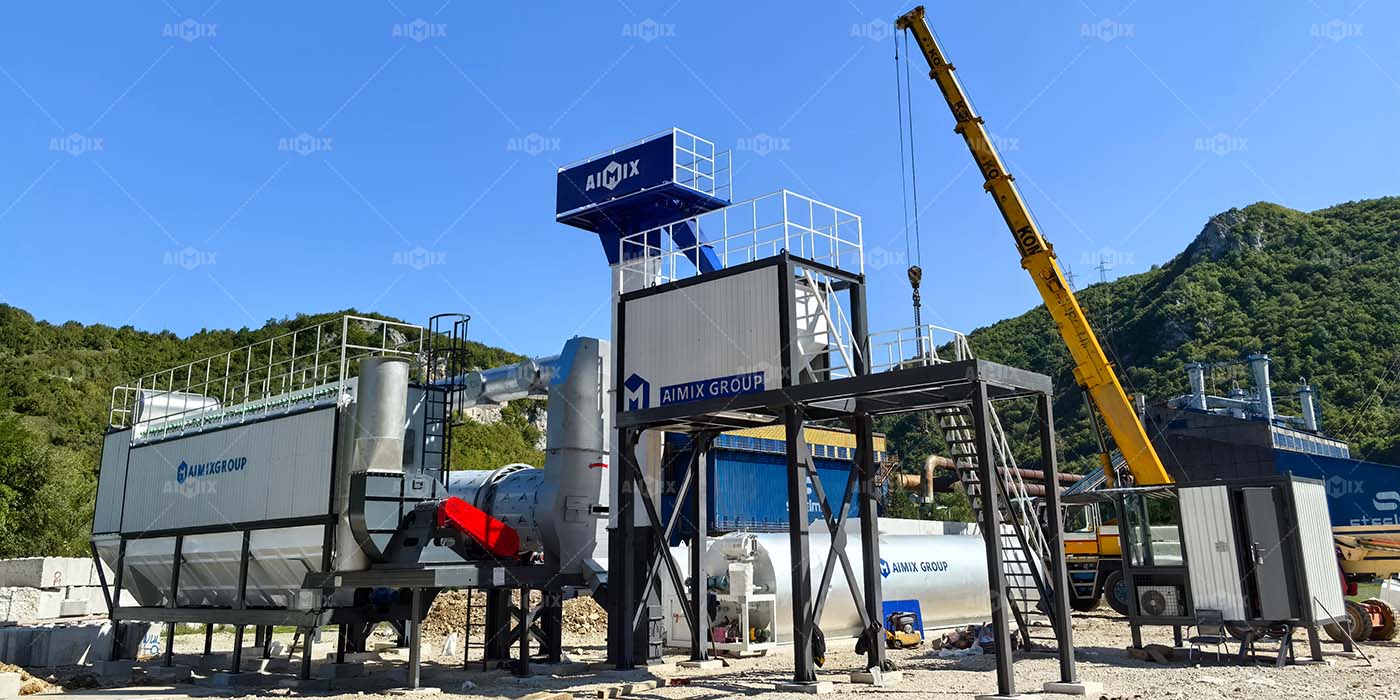
Considering production needs, site conditions, mobility, and environmental factors, a 200–300 TPH batch asphalt plant is ideal. It provides precise mix control, sufficient daily output, and flexibility for varying asphalt types. Its energy efficiency and environmental compliance make it suitable for both urban and rural sections. Additionally, semi-mobile configurations offer adaptability for road reconstruction projects spanning multiple regions.
Conclusion: Making The Right Choice
Choosing the right asphalt plant can make or break a road reconstruction project in Ethiopia. A 2-year project requiring 150,000 tons needs a plant that delivers quality, efficiency, and flexibility. By considering daily production needs, plant type, energy efficiency, mobility, and environmental compliance, contractors can select an asphalt plant that maximizes ROI and ensures timely completion.
If you want to guarantee smooth operations, high-quality asphalt, and cost-effective production, investing in a suitable batch asphalt plant is the best strategy. Consult with experienced asphalt plant suppliers to match your project’s requirements and secure equipment that supports your long-term construction goals. Start planning now to keep your road reconstruction project on track and within budget.